Load dry briquettes, fill a chimney starter to the top, and light two lighter cubes underneath; let the coals turn gray in 10‑15 minutes. Open the bottom intake fully, close the top exhaust just enough to create strong airflow, then shut the lid and place a digital thermometer at the grill’s midpoint. Keep the lid closed, use a heat‑deflector plate, and adjust vents to maintain 500‑550 °F for high heat, 350‑450 °F for medium, or 225‑275 °F for indirect zones. Add more hot coals from the chimney when the temperature drops, and you’ll master steady heat control.
Control Grill Temperature: Choose the Proper Charcoal Quantity
A solid foundation starts with the right amount of charcoal, because the quantity you load directly sets the grill’s baseline heat and how long it can hold it. You must assess charcoal moisture content first; dry briquettes deliver consistent burn, while damp pieces cause uneven flames and flare‑ups. Apply fuel preparation techniques by stacking unlit briquettes like dominoes, creating a central void, then inserting a handful of hot coals from a chimney starter. This arrangement spreads heat evenly and establishes a stable baseline. For high heat (450‑550 °F), fill the chamber fully, keeping vents wide. For medium (350‑450 °F), use a moderate layer and half‑open dampers. Adjust quantity downward for low‑slow cooks, matching the recipe’s temperature target while preserving oxygen control. The Minion Method can further extend heat retention by surrounding lit coals with a larger bed of unlit briquettes.
Control Grill Temperature: Light Charcoal Quickly With a Chimney Starter
Choosing the right charcoal amount sets your grill’s baseline heat, but getting that heat quickly depends on a reliable ignition method. First, remove the cooking grate and open the bottom dampers fully. Fill the chimney starter to the top, then place two lighter cubes on the grate and set the chimney over them. Ignite the cubes through the bottom holes; the flames travel upward, heating the bottom coals first. In 10‑15 minutes the coals will turn gray with ash and glow orange, ready to be poured. Wear insulated mitts, lift the chimney by its handles, and distribute fuel evenly across the grill floor. Replace the grate, close the lid, and let the grill preheat to 500‑550°F before cooking. Proper airflow throughout the cook ensures consistent temperature control and prevents temperature fluctuations during grilling. A chimney starter is a must‑have for charcoal grills or smokers.
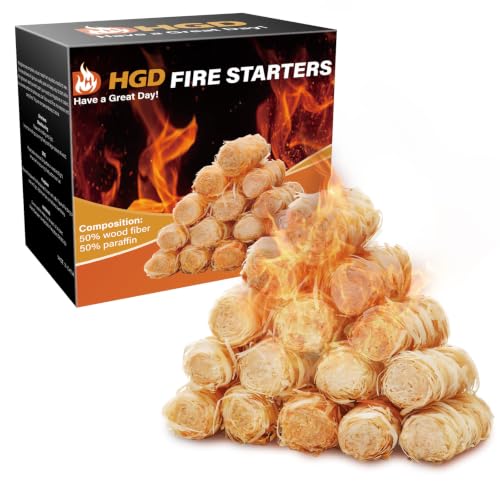
Safe & Waterproof: The fire starter is made with natural wood shavings which are safe, nontoxic and efficient without any harmful substances and waterproof is ideal for indoor or outdoor

Designed to quickly produce hot coals for cooking

COMPACT SIZE FOR SMALL TO MEDIUM GRILLS: Measures 8.1 x 5.7 x 10 inches and is built for small to medium sized grills, not full-sized ones. Check these dimensions against your grill before ordering. Sits on top of a cold, clean grill.
Control Grill Temperature: Master Intake and Exhaust Vents for Consistent Heat
Mastering the intake and exhaust vents lets you dictate a grill’s temperature with surgical precision. Open the bottom intake fully to flood the coals with oxygen and reach peak heat. Then close it partially—about one‑third open—to stabilize a mid‑range temperature and maintain consistent airflow. The top exhaust creates the draft that pulls fresh air through the intake; keep it fully open when you need strong airflow, and adjust it slightly to fine‑tune the heat after setting the intake. Begin with all vents open, wait ten to fifteen minutes, then close the intake or exhaust incrementally. Avoid frequent changes, as each adjustment requires time to settle. For consistent results, maintaining clean ash catchers ensures airflow remains unobstructed and temperature stability improves. Practice your grill’s specific vent positions to master vent adjustments and keep the fire steady. Charcoal grills require skill to control temperature unlike gas grills.
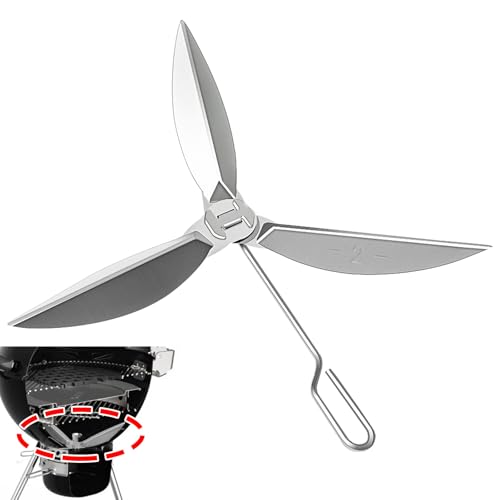


Premium Material: Our smoker air vents are made of stainless steel material reliable and reusable, sturdy and lightweight, not easy to break or rust, ensuring unparalleled performance that lasts.
Control Grill Temperature: Keep the Lid Closed and Position the Thermometer
When you keep the lid shut and place the thermometer near the grill’s center, you create an oven‑like environment that holds heat steady and lets smoke circulate evenly around the food. This closed‑lid method traps heat, reduces oxygen, and prevents flare‑ups, allowing thick cuts to cook through without drying. To monitor temperature accurately, position digital thermometer at the grill’s midpoint, away from direct flame, and read it without opening the lid. For uniform heat distribution, use heat deflector plate between coals and food; it spreads radiant heat and further stabilizes temperature after adjustments. By maintaining lid closure and proper thermometer placement, you achieve consistent, controllable heat for reliable, smoky results. Clear ash from ventilation holes and base maximizes airflow. Regular grate maintenance ensures optimal airflow and heat retention for long-term grill performance.
Control Grill Temperature: Set Up Direct, Medium, and Indirect Heat Zones
Heat zones are the backbone of grill temperature control, and mastering them lets you switch instantly between searing, cooking, and smoking. First, create a direct‑heat zone by spreading charcoal distribution patterns evenly across the grate, opening both intake and exhaust dampers fully. This yields 450‑550 °F and supports high‑heat searing techniques for steaks and burgers. The intense radiant heat from the burning charcoal directly cooks the food while the hot metal grate creates sear marks through conduction. Next, establish a medium‑heat zone with partial coal coverage or a raised tray; keep the intake open and the exhaust damper half‑open to hold 350‑450 °F—ideal for chicken breasts and fish. Finally, set up an indirect‑heat zone by piling coals on one side, leaving the opposite side empty; restrict the exhaust to a quarter‑open position, maintaining 225‑275 °F for low‑and‑slow smoking. Adjust vents as needed, and monitor the thermometer at grate level for precise control. Proper windbreak placement helps maintain consistent temperatures in colder weather.
Control Grill Temperature: Stabilize Low‑Heat Cooking With a Water Pan
Wonder how a simple water pan can lock your grill at a steady 225 °F? Place the pan directly above the coals or heating element and let the water act as a heat sink. It absorbs excess heat, then releases it slowly, keeping the air temperature within the 220‑250 °F window. The water’s high heat capacity creates temperature consistency, minimizing the spikes that occur when the fire blazes. As the water evaporates, it generates steam that handles moisture management, keeping meat juicy and enhancing smoke adhesion. A V‑shaped pan promotes steady steam flow, while the pan’s barrier blocks direct flames, reducing hot‑spot intensity. Monitoring internal temperature with a thermometer ensures your meat reaches full doneness regardless of minor grill fluctuations. Adjust vents to maintain the desired smoke zone and enjoy reliable low‑heat cooking. The water pan also serves as a heat shield that further stabilizes temperature.
Control Grill Temperature: Add More Charcoal When It’s Cold or You’re Cooking Long
If the grill cools down during a long cook, you’ll need to add fresh charcoal to keep the temperature steady. First, assess charcoal quality; high‑grade briquettes with low moisture content ignite faster and sustain heat longer. Use a chimney starter to preheat a quarter‑full load for low heat, half‑full for medium, or full for high, then dump the hot coals into the firebox. Position the new coals beneath the existing bed to avoid temperature spikes. Adjust vents simultaneously—open them enough to feed oxygen but not so much that the flame overruns. Different charcoal types like hardwood lump charcoal and briquettes offer varying burn times and heat output characteristics. Monitor the thermometer near the grate; when the reading falls below target, repeat the process. Consistent airflow, proper placement, and low‑moisture charcoal together preserve steady heat throughout extended grilling sessions. Clean the bowl regularly to maintain optimal airflow.

LARGE PACK: The set includes 10 rolls with 10 capsules each. The quick light charcoal has a 40 mm diameter. They are great for incense burning, allowing you to relax and fully enjoy the experience.

ELITE ARTISAN FLAVOR & HARDWOOD COMPOSITION: Experience a superior blend of high-density oak and sweet applewood sawdust crafted into premium charcoal briquettes. Unlike standard fuel, our charcoal for grilling is made without chemical fillers, ensuring a pure, mellow smoke profile that enhances the flavor of your favorite meats and vegetables for a gourmet BBQ finish.
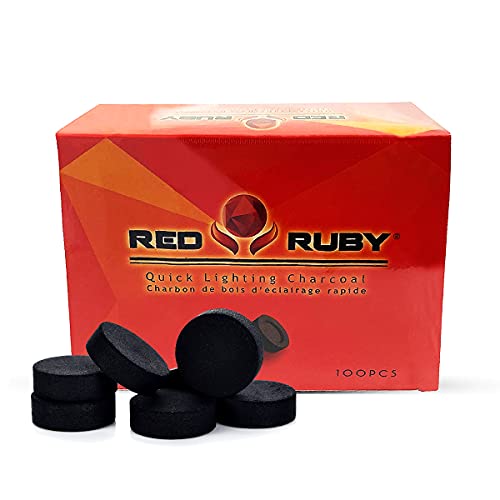
OUR NEWEST PRODUCT: If you enjoy a nice and aromatic treatment or you simply love burning resin incense, we have a must-have accessory that will help you turn your ritual into a real relaxation oasis; our charcoals can be found in religious institutions, homes, and Spas across the world.
Control Grill Temperature: Refuel on the Fly Using Hot Coals From a Chimney
Usually you’ll keep the grill steady by adding hot coals from a pre‑heated chimney rather than waiting for a cold reload. Fill the chimney with a measured load of briquettes or lump charcoal, light it with newspaper, and let the coals ash over for 15‑20 minutes. When they glow red underneath, transfer 8‑12 coals directly into a small opening on one end of the bed, spreading minimally to ignite surrounding fuel. Use an infrared thermometer to confirm the target zone—225‑275 °F for low‑and‑slow or 350‑450 °F for medium heat—and adjust air vents to fine‑tune oxygen flow after each addition. Repeat every 45‑60 minutes, keeping the lid closed, to maintain a steady temperature for up to eight hours. When you’re finished grilling, you can safely extinguish your charcoal by closing all vents to cut off the oxygen supply and allow the coals to cool naturally. Wear heat‑resistant gloves and position the chimney near the grill to minimize heat loss. The intake damper at the bottom regulates air flow and heat.
Control Grill Temperature: Monitor and Fine‑Tune Grill and Meat Temperatures for Perfect Results
A reliable thermometer placed near the cooking grate gives you the most accurate grill‑temperature reading, while a lid‑mounted gauge only shows ambient heat. Position a remote probe on the meat and keep the grill probe visible; adjust the intake and exhaust dampers until the grill sits at your target range. When you apply cooking methods that demand high heat (450‑550°F), open both vents fully; for low‑and‑slow (225‑275°F), restrict them to a quarter or less. Account for external factors such as wind, ambient temperature, and ash buildup—tighten the lid, clean the bowl, or add a water pan to stabilize the fire. Continuously compare grill and meat readings, fine‑tuning vents and lid position to maintain consistent temperature and achieve perfect results. Proper preheating with white‑hot coals for 20–30 minutes before cooking ensures your charcoal grill reaches the safe cooking temperatures needed for even cooking and food safety.