
Set your smoker to a steady 250 °F and preheat it for an hour, keeping the damper nearly closed and using heat sinks for stability. Pat the thighs dry, trim excess skin, and coat them with a dry rub under and over the skin; let them rest 30 minutes to two hours, or overnight for deeper flavor. Smoke skin‑side up, flip at 30‑40 minutes, and brush with BBQ sauce when the internal temp hits 160 °F. Raise the heat to 300‑400 °F for the final caramelization, then pull the thighs at 155‑160 °F and let them rest 5‑10 minutes under a loose foil tent. Continue for more details on temperature control, troubleshooting, and perfect pairings.
Set Your Smoker to 250°F and Preheat Properly
Set your smoker to 250°F and let it preheat for about an hour. During this time the heating element and puck burner reach full capacity, establishing a stable base for consistent temperature maintenance. Position the unit away from wind and keep the damper nearly closed; this limits temperature swings and preserves heat. Open the vents wide to let excess moisture escape, ensuring effective humidity management and preventing the cabinet from becoming soggy. Consider placing foil‑wrapped bricks inside as heat sinks; they store warmth and release it when you open the door or add cold meat, cutting recovery time. By respecting these steps you’ll maintain a steady 250°F environment, primed for flawless smoking. Sheltering the smoker from wind further reduces heat loss. If smoking in wet weather, use a grill cover to prevent rust and maintain consistent temperatures while protecting your equipment from rain damage.
Pat, Trim, and Season Chicken Thighs for Maximum Flavor
Why settle for bland when you can lock in flavor from the start? Pat each thigh dry with paper towels until the surface feels matte; this simple step lets the rub cling instead of sliding off. Trim excess skin and fat with kitchen shears, creating a clean edge and preventing flare‑ups. Slip a spoon under the skin, lift a pocket, and press the seasoning in, then spread it evenly for deep flavor. Measure rub consistency by feeling the texture—too dry clumps, too wet smears. Let the seasoned thighs rest, exposed, for 30 minutes, then refrigerate at least four hours for the rub to bond. Before smoking, use a meat thermometer to confirm the meat is at room temperature, guaranteeing even cooking. Smoking at lower temperatures allows connective tissues to break down, resulting in exceptionally tender meat. The dry rub, which includes brown sugar and spices, adds a perfect balance of sweet and smoky flavor.
Apply a Dry Rub and Optional Dry Brine for a Better Crust
Now that the thighs are patted, trimmed, and seasoned, it’s time to lock in that flavor with a dry rub and, if you have a little extra patience, a dry brine. Sprinkle a generous layer of rub—brown sugar, smoked paprika, cayenne, and a pinch of salt—over every surface, pressing it into the meat so it adheres to the dry skin. For even flavor and a uniform shape, let the thighs rest 30 minutes to two hours, or refrigerate overnight for deeper penetration. If you choose a dry brine, sprinkle additional salt under the skin; this draws moisture out, crisping the exterior during smoke. Avoid sugary rubs if you’ll finish at higher heat, and drizzle a thin coat of olive oil to keep the skin supple before the smoker works its magic. Searing removes excess fat and creates a crisp skin before smoking. For optimal results, aim for an internal temperature of 175°F to 185°F to ensure both juiciness and food safety.

ALL PURPOSE SEASONING: Originally crafted with chicken in mind but versatile enough to elevate any dish, Dan-O’s Original Seasoning is a savory all-purpose seasoning that’s good on Dan near anything. Try it on meat, veggies, or pasta for bold bites.
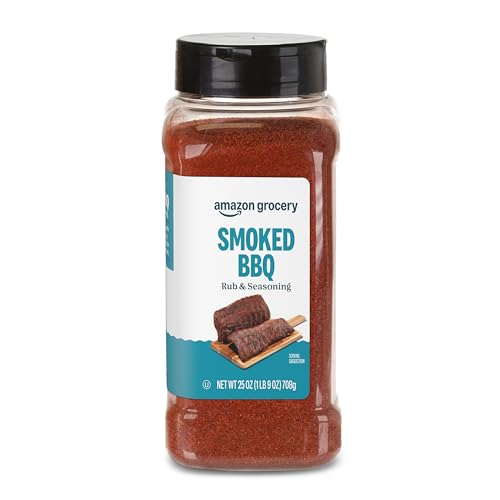
One 25 ounce container of Smoked BBQ Rub & Seasoning
![Spice Mix Recipes: Top 50 Most Delicious Spice Mix Recipes [A Seasoning Cookbook] (Recipe Top 50's Book 104)](https://m.media-amazon.com/images/I/61Boa6S4T6L._SL500_.jpg)
Smoke Thighs – First 60 min and Temperature Check
First, let the thighs settle skin‑side up on the preheated grill while the smoke swirls around them, and after about 60 minutes you’ll check the internal temperature with a reliable probe. The smoker stays steady at 250°F‑275°F, letting smoke color development deepen as the skin begins to blush. You’ll see the first hour as the meat tenderness progression unfolds: the dark meat softens, the bone‑in thighs gain a subtle chew, and the thinner pieces edge closer to doneness. Insert the probe into the thickest part; aim for 165°F‑175°F, though 185°F‑190°F yields peak juiciness. If the reading falls short, keep the smoker consistent and monitor until the target temperature arrives, ensuring flavor and texture stay on track. Add a 30‑minute extension for bone‑in thighs to achieve optimal juiciness.

COMPATIBILITY: Meat probe is only compatible with Pit Boss wood pellet grills and smokers. NOTE: The probe NOT FIT FOR Treager, Camp Chef, Masterbuilt, Char-Grill, Therm Pro. Please ensure your grill and confirm that the model is compatible
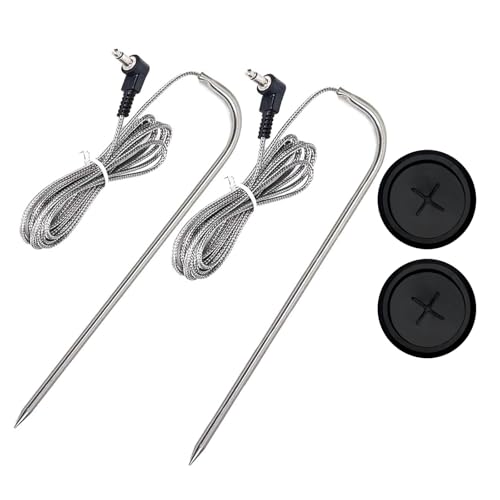
REPLACEMENT PIT BOSS MEAT PROBE : Temperature probe replacement compatible with PIT BOSS pellet grills and pellet smokers with digital control probe capability. NOTE: meat probes are NOT FIT for MASTERBUILT, CAMP CHEF, CHAR GRILL etc all series smokers

COMPATIBILITY: This ambient probe sensor compatible with Pit Boss models: Copper Series: Classic, Austin XL, Navigator 1150, 700, 820, 850, Pro Series 5, Sportsman 1000, 1100, KC Combo Platinum Series, Tailgater, Lexington and other grill models. Not for Pit Boss analog controlller
Flip and Brush Smoked Chicken Thighs With BBQ Sauce
Ever wondered when to flip those smoky thighs and slather them with sauce? Flip them around the 30‑40‑minute mark—midway through the 250°F smoke—so each side absorbs color and flavor evenly. Keep the skin‑up for the final stage, then brush on a thin layer of sweet BBQ once the internal temperature hits 160°F. This sauce application timing prevents burning and lets the glaze set. Raise the smoker to 300‑400°F for a few minutes, then give a second brush when the thighs reach 170‑175°F. The temperature management during saucing caramelizes the coating without drying the meat. Let the thighs rest ten minutes; the glaze will stabilize and the skin will stay crisp. Bone‑in thighs retain more flavor during smoking. Resting the meat after cooking allows the juices to redistribute, ensuring tender, juicy results.
Raise Heat to 170‑175°F for Crispy Skin and Finish Cooking
After brushing the thighs with barbecue sauce at 160°F, crank the smoker up to the 170‑175°F internal range to finish the cook and achieve crispy skin. The heat surge renders the fat under the skin, turning the surface golden‑brown and crackling. You’ll notice the skin temperature climbing into the high‑180s, which evaporates lingering moisture and prevents a rubbery texture. Keep the thighs skin‑side up; this positioning promotes even crisping while the meat absorbs the final burst of smoke. Expect timing adjustments of about 10‑15 minutes beyond the initial low‑temp phase, depending on thigh thickness and smoker consistency. Aim for a final internal temperature of 175°F to guarantee full connective‑tissue melt and juicy tenderness. Using a meat thermometer ensures you achieve the ideal doneness without guesswork. Sweet Rub adds a perfect balance of sweet and savory flavor.
Monitor Internal Temperature: Safety vs. Juiciness Targets
Keeping an eye on the meat’s internal temperature lets you balance safety and juiciness with pinpoint accuracy. Insert a reliable digital thermometer into the thickest spot, avoiding bone contact, and watch the temperature monitoring readout as the thighs climb. Pull at 155°F, let them rest, and they’ll finish around 160°F—meeting USDA’s 165°F safety threshold after resting. For flavor enhancement and tender texture, aim for a final 175‑185°F, where fat renders and connective tissue breaks down without drying out. Check multiple thighs, especially bone‑in pieces, because thickness varies. Flip occasionally at 275°F to even the heat, and trust the probe over any clock. Resting the meat after smoking allows carryover cooking to reach ideal temperature without drying out the thighs. This approach guarantees safe, juicy, and flavorful smoked chicken thighs. Increase temperature to 265°F halfway through the cook for better smoke absorption.
Rest Smoked Chicken Thighs – 5‑10 min Covered, Up to 25 min
When you pull the thighs from the smoker at 165 °F, let them rest under a loose foil tent for 5‑10 minutes—up to 25 minutes if you have a larger batch—so the juices redistribute, the temperature climbs to the safe 160 °F range, and the meat stays tender and moist. A gentle tent keeps the surface dry while trapping steam, which boosts moisture retention without steaming the skin. During the rest, internal temperature rises steadily, reaching the target 160 °F and allowing connective tissue to relax, particularly as fat and connective tissues break down during the low-and-slow smoking process. Check the thickest piece after ten minutes; if it’s still below 160 °F, extend the rest in two‑minute increments, never exceeding twenty‑five minutes. This controlled pause locks in flavor, guarantees consistent resting temperatures, and delivers perfectly juicy smoked thighs ready for serving. The brine includes fresh thyme which adds aromatic depth.
Troubleshoot Common Issues for Smoked Thighs: Rubbery Texture, Uneven Smoke, Slimy Skin
Your thighs may look perfect after a 5‑10‑minute rest, but if the skin feels rubbery, the smoke is uneven, or the surface stays slimy, something went off during cooking. Rubbery texture usually means you cooked below 275°F, preventing fat from rendering. Raise the smoker to 275‑320°F, skip foil, and dry‑brine overnight to pull moisture away. For uneven smoke, limit the low‑temp smoke phase to one hour, then increase heat and keep the thighs skin‑up; adjust vents gradually to control smoke density. Slimy skin stems from excess moisture—pat the meat dry, omit water pans, and finish at 375‑425°F for 20‑30 minutes. Consider using fruitwoods like cherry or hickory to enhance the flavor profile during the final high-heat phase. These tweaks help you achieve crisp, flavorful thighs. Also, let the chicken sit on racks in the fridge for about an hour before smoking to dry the skin.
Serve and Pair Smoked Chicken Thighs for a Complete Meal
Balance comes from pairing the smoky richness of the thighs with textures and flavors that brighten the plate. For a polished plating presentation, rest the thighs five minutes, then slice them and arrange atop a bed of creamy coleslaw for crunch and tang. Add a scoop of garlic mashed potatoes or smoky mac and cheese for silky contrast, and sprinkle roasted asparagus or pickled veggies for fresh acidity. A watermelon‑basil salad with feta injects juicy lightness, while a slice of sweet cornbread or Texas toast soaks up juices. Beyond these options, pasta salads featuring fresh vegetables offer a customizable alternative that works well with the rich, smoky profile of the thighs. This balanced meal planning blends creamy, crunchy, and bright elements, creating a satisfying, complete dinner that showcases the thighs without overwhelming them. Classic Creamy Coleslaw adds a cool, tangy crunch that cuts through the rich, smoky flavor.


