Set your smoker to 225 °F, pat the legs dry, brush a thin layer of olive oil, then coat them liberally with a balanced dry rub of brown sugar, garlic, paprika and spices. Smoke for 1‑1.5 hours, keeping the smoker steady between 200‑275 °F until the internal temperature reaches 165 °F. Brush on a thin layer of BBQ sauce, let it set, and raise the heat to 500 °F for 1‑2 minutes to crisp the skin. Rest 10‑15 minutes before serving, and you’ll uncover the finer details that guarantee perfection every time.
Pick the Best Smoker Temperature & Wood for Chicken Legs
When you set your smoker to 225‑250 °F, you’ll capture the richest smoke flavor while keeping the meat juicy; start at the lower end of that range for the first hour, then boost to 275 °F to finish with crispy skin. Choose a wood type that complements poultry—fruit woods like apple or cherry add subtle sweetness, while mild hardwoods such as oak provide a balanced backbone. Avoid heavy hickory or mesquite, which can overwhelm the delicate meat. If you lack a traditional smoker, consider alternative smoker methods: a pellet grill with precise temperature control, an offset smoker set for indirect heat, or a charcoal grill with a drip pan and indirect zone. These setups let you maintain the two‑stage temperature curve and achieve the same depth of flavor. Using a meat thermometer to verify doneness rather than relying solely on time will ensure your chicken legs reach the ideal internal temperature. Pat chicken dry before applying the rub to ensure the seasoning adheres evenly.

Replaces 3 speed smoker control, compatible with Traeger wood pellet grill models (except PTG)

Easy use. Helps control your temperatures. High mode can be used for highest heat possible.

High mode can be used for highest heat possible. This product features auto start to self ignite your BBQ.
Dry, Oil, and Season the Legs for Maximum Flavor
Typically, you’ll start by patting the legs completely dry—paper towels remove excess moisture, prevent a leathery crust, and let the rub adhere evenly. After any brining before seasoning, pat them dry again and let them rest on a tray for a few minutes to lose chill. Brush each piece with a thin coat of olive oil; the oil acts as a binder and keeps the meat moist during smoking. Prepare a balanced dry rub—brown sugar, garlic powder, paprika, chili powder, seasoning salt, black pepper, and optional roasted garlic and peppers. Sprinkle the rub liberally, pressing it into the skin with your fingers. Allow a marinate resting duration of 30 minutes to overnight so flavors penetrate fully before you load the smoker. Use an instant-read thermometer to verify your chicken legs reach an internal temperature of 175°F to 185°F for optimal juiciness and food safety. The pellet smoker does most of the work, making the process quick and easy.
Smoke the Legs Low‑and‑Slow (200‑275 °F) for 1‑1.5 hrs
Set the smoker to a steady 200‑275 °F and let the legs absorb the low‑and‑slow heat for about 1 to 1½ hours, keeping the internal temperature in the 165‑175 °F range. Preheat to 275 °F, then settle at 240 °F using pecan, hickory, or mesquite wood pellet selection for balanced smoke. Insert a reliable probe into the thickest part, avoiding bone, and practice internal temperature monitoring. Check the readout near the 90‑minute mark; when it reaches 165 °F you’re safe, and 175 °F yields fully cooked, juicy meat. If the legs are larger, add up to 30 minutes. Once the target is hit, remove the legs and let them rest 5‑10 minutes before serving, as resting redistributes juices for optimal texture and flavor. Drizzle the chicken legs with olive oil before applying the Signature Sweet Rub to keep the skin from becoming chewy.

APPLE WOOD FIRED FLAVOR: With Traeger Apple Hardwood Pellets, naturally enhance baked goods, chicken, and pork with a subtly sweet, fruity flavor.

HICKORY WOOD FIRED FLAVOR: Traeger Hickory Hardwood Pellets are great for naturally enhancing beef, chicken, pork, and veggies with full-bodied, bold flavor. So it should come as no surprise that Hickory’s assertive flavor is one of the most popular choices for classic BBQ cooking.
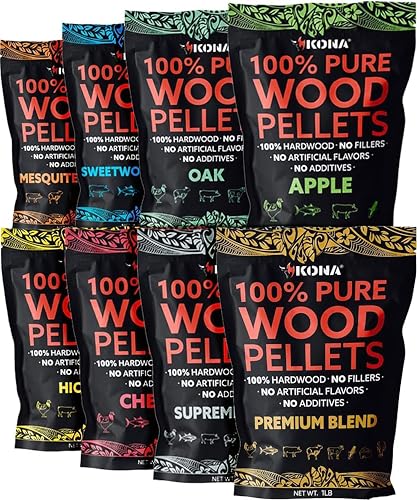
Wood Fired Flavor Excellence: Kona BBQ smoking pellets are crafted from hand-selected trees, sourced from retired orchards and sustainably harvested forests, ensuring superior flavor in every pellet. Compatible with Ninja Woodfire outdoor grill
Add BBQ Sauce at 165 °F and Let It Caramelize
The moment the chicken legs hit an internal 165 °F, brush on a thin layer of BBQ sauce and keep the smoker steady at 275 °F; this marks the start of the sauce application process. Use a clean brush, coat one side, flip, and repeat for an even glaze. Because the smoker stays at 275 °F, sugars in the sauce begin to break down, initiating caramelization techniques without scorching. Apply two to three thin coats over the next ten minutes, allowing each layer to set before the next. Monitor the surface closely—if the glaze darkens too quickly, reduce the heat slightly. By the time the internal temperature climbs to 175‑195 °F, the sauce will have thickened into a glossy, caramelized bark, delivering flavor and texture without bitterness. To ensure the chicken remains tender, allow connective tissues to break down during the final stages of cooking. Pickle juice helps keep the chicken juicy during cooking.
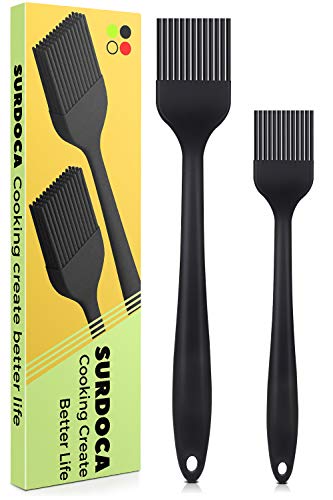
100% BPA FREE & FOOD GRADE SILCIONE : This silicone basting brush made of 100% BPA FREE food grade silicone. All bristles of this basting brush set are BPA-free material which are safe and good for your health. whole basting brush body covered by soft silicone material which can offer you perfect using feeling. At the same time, this basting brushes kitchen silicone is non-staining and won't pick up food particles (unlike wooden basting brush).

[ FOOD GRADE MATERIALS ]: This Silicone Basting Brush Set BPA Free,Non-toxic, lead free Odourless. With Stainless Steel core inside non slip handle.100% made in premium Food Grade silicone, unlike other bristle brushes, the silicone bristles will not break or shed in your food, more healthy.
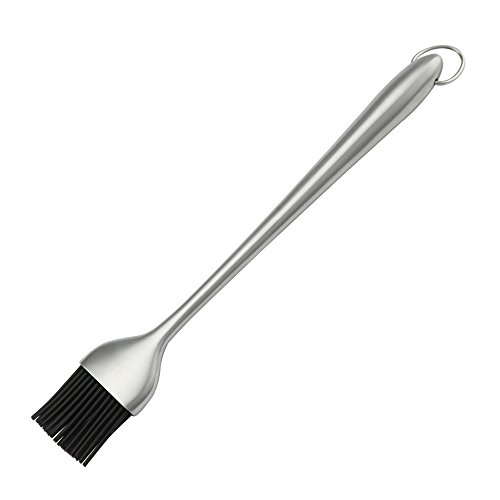
Heavy-duty BBQ Basting Brush by HQY - Silicone Bristles with 12 Inch Stainless Steel Handle - Make Grilling Easy - 5 Year Guarantee
Crisp the Skin With a Quick Reverse‑Sear or Direct Heat
When the chicken legs have reached about 155 °F internally, crank the smoker up to 500 °F (or move them to a pre‑heated grill) and sear the skin side down for 1–2 minutes, rotating every few seconds to develop a uniform, golden‑brown bark without burning. The high heat instantly transforms Chicken skin texture, yielding a crisp, crackling finish while the interior stays juicy. Keep the sear brief—1 minute per side is enough—to preserve efficient cook time and prevent over‑cooking. If you prefer a cast‑iron skillet, preheat it to 500 °F and press the legs skin‑side down, flipping once for even browning. Aim for a final internal temperature of 165 °F before you remove the legs for rest, as using a thermometer for accuracy ensures you achieve the perfect doneness. Crispy skin is the best part of chicken drumsticks, so the reverse‑sear step is essential.
Rest the Smoked Chicken Legs 10‑15 min Before Serving
After you’ve seared the skin to a golden‑brown crisp, let the legs rest for 10‑15 minutes. During this pause, juices redistribute, keeping the meat moist while muscle fibers relax for tenderness. Resting also allows carry‑over cooking; internal temperature climbs 5‑10 °F, perfecting crust formation without over‑cooking. Keep a thermometer handy for temperature monitoring, ensuring the meat stays above 165 °F but below the 180 °F threshold for ideal doneness. Rest at room temperature, immediately after removal, so the crust stays crisp while the interior steadies. For enhanced flavor development, consider applying a dry rub or mopping while cooking to complement your smoking process. This brief interval prevents juice loss when you slice and lets flavors settle, delivering a juicy, tender leg that holds its crisp exterior until you plate it. The optimal temperature for smoking chicken legs is 325°F, which yields a crisp skin and faster cooking time.
Fix Common Problems: Dry Skin, Undercooked Meat, Smoke Overpower
A few common pitfalls—dry skin, undercooked meat, and overpowering smoke—can ruin even the best‑planned chicken leg smoke, but each is solvable with targeted adjustments to temperature, moisture, and airflow. To avoid dry skin, dry the legs on a refrigerator rack for an hour, then apply a dry brine a day ahead. Smoke at 225 °F for smoke penetration, raise to 275‑320 °F for even cooking, and finish at 375‑425 °F for 20‑30 minutes while brushing oil or butter to crisp the surface and prevent excess smoke absorption. Keep smoker humidity levels in check by using deflectors and proper airflow, ensuring the meat reaches an internal temperature of 185°F in the thickest part for optimal doneness without staying rubbery. Adjust airflow to avoid smoke overload, and you’ll achieve perfectly smoked, juicy legs every time. Dry‑brine helps lock in moisture without soggy skin.