Start with indirect heat at 400‑425°F for 15‑20 minutes, flipping and rearranging the wings halfway for even cooking. Then move them over direct heat for 5‑10 minutes, turning every 4‑5 minutes until the skin crisps and the internal temperature hits 175‑185°F (165°F is the safety minimum but yields a chewier texture). Use a fast‑responding probe to track doneness, and if you keep going you’ll uncover the best glaze and resting tricks.
How Long Should You Grill Chicken Wings for Perfection?
Ever wondered exactly how long to grill chicken wings for that perfect balance of juicy meat and crispy skin? You’ll want to start with indirect heat, 7‑10 minutes per side at 400 °F, adjusting timing for size—smaller wings need closer to 7 minutes, larger up to 10. Flip and rearrange them for even cooking, then close the lid for another 20 minutes per side before the final char. Aim for an internal temperature of 165 °F, then push to 175‑185 °F for tender bone‑side meat without drying. For flare‑up prevention, keep the grill’s flame low and move wings away from hot spots. Finish with a quick 30‑45‑second sear on direct heat, then let the wings rest 5‑10 minutes before serving. Brine the wings in a simple beer brine for up to 3 days to enhance flavor and moisture. Using an instant-read thermometer will help you monitor doneness precisely throughout the grilling process.
Which Heat Method Is Right for Your Wings?
Now that you know the timing, picking the right heat method will determine whether your wings end up crisp‑skin and juicy or dry and uneven. For razor‑thin, crunchy skins, use the direct heat method: spread coals thinly, set the grill surface to 425°F, and keep the lid closed while you turn every four minutes. This gives you ideal temperature control and radiant heat distribution across the entire bed. If you prefer a tender interior with a late‑stage crunch, try the two‑zone approach—start wings indirect at 350‑375°F for 40‑60 minutes, then finish on the hot zone for three to five minutes, turning frequently. The indirect‑only method, at 400°F with a raised grate, yields consistent heat and less flipping, while the vortex dome offers gentle, semi‑indirect heat for a balanced texture. Choose the style that matches your flavor and texture goals. Look for a thermometer with fast response time to ensure you get quick and accurate readings of your wings’ internal temperature. Use a fast thermometer to verify the wings reach an internal temperature of at least 175°F for optimal tenderness.

Fast & Accurate: Get precise readings in just 1 second with ±0.9°F accuracy. NSF Certified for trusted food safety, this digital food thermometer features a 4.3 inches food-grade stainless steel meat probe, perfect for grilling, frying, baking, making candy and more
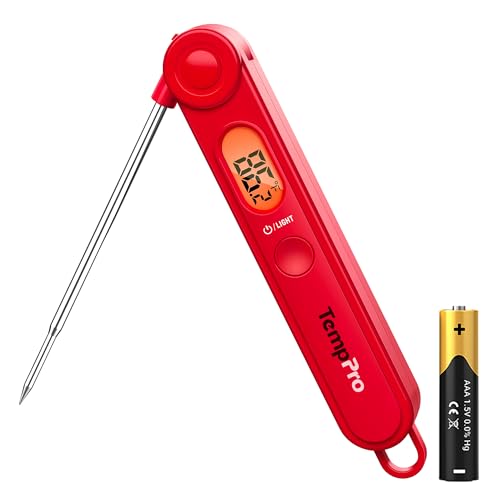
【Easy to Use】Easily release the meat probe at the push of a button, and control the backlight or power with another button. With TempPro, cooking becomes a seamless, stress-free experience

【8X Faster + 4X More Precise】: Upgraded with an industrial-leading professional thermocouple sensor, Themomonster meat thermometer digital with NIST certified ±0.5℉ precision provides you the accurate temperature of your food in just 0.5 Seconds.
Set Your Target Internal Temperature (165°F or 175‑185°F)
If you want wings that stay juicy yet develop a satisfying bite, aim for an internal temperature between 175 °F and 185 °F; this range renders the fat, softens connective tissue into gelatin, and crisps the skin without the chewiness you get at the minimum safety point of 165 °F. Use a reliable probe in the thickest meat, avoiding the bone, to monitor progress. Keep the grill’s heat level control steady, hovering just below your maximum internal temperature target. When the reading hits 175 °F, the skin begins to crisp, and by 185 °F you’ll notice a tender, juicy bite. If you stop at 165 °F, the meat clings to bone and feels chewy, missing the ideal texture most grillers crave. For enhanced crispiness beyond your target temperature, consider finishing techniques like direct heat or broiling to achieve extra textural contrast. Higher temperatures increase collagen conversion to gelatin, enhancing tenderness.
Standard 45‑Minute Indirect Cooking Timeline
After hitting the 175‑185 °F internal range, move the wings to the grill’s coolest indirect zone and let them cook for a solid 45 minutes. Set the indirect area to about 500 °F and start the timer. For the first 20 minutes, keep the lid closed and let the heat work its magic; then rotate the wings front‑to‑back for another 20 minutes, preserving even exposure. Finish with a final 15‑20 minute stretch, still in the indirect zone, to reach the ideal indirect duration. Throughout, keep an eye on the grill temperature, adjusting vents or burners if it drifts. This steady, low‑key phase breaks down fat, yields tender meat, and prevents the exterior from drying out, delivering perfectly cooked wings before the quick‑heat finish. For reference, medium heat on a grill typically ranges from 300 to 400 degrees Fahrenheit, though indirect cooking zones require higher temperatures for proper heat distribution. Rotate the wings every 20 minutes during the indirect heat phase to ensure even cooking.
Quick 20‑Minute Flip‑Every‑Few‑Minutes Char Routine
A solid 20‑minute sprint on medium heat—about 350 °F—lets you build a deep, smoky char while keeping the wings juicy. Start with efficient wing prep: pat the pieces dry, then toss them in a light coat of oil and a pinch of salt. This helps the skin crisp and the seasoning cling. Choose quick seasoning variations—smoked paprika, garlic powder, or a dash of cayenne—so you can switch flavors between flips without slowing down. Place the wings directly over the heat, close the lid, and flip every five minutes. The regular turning distributes heat, prevents burning, and creates an even, glossy crust. After the final flip, check that the internal temperature hits 165 °F before serving. Adding a light brown sugar] to the dry rub creates a crunchy char, but you must monitor the wings closely to avoid burning.
How to Glaze Chicken Wings Without Burning?
When you coat wings with a glossy glaze, the key is to time the application so the sugars caramelize without scorching. Aim for the ideal glaze application timing by brushing the thickened mixture onto wings after they’ve baked 45 minutes at 350 °F, then finish the last 15 minutes in a turned‑off oven to dry without direct heat. Guarantee proper glaze thickness consistency: whisk honey, soy, ketchup, garlic, and a splash of vinegar until smooth, then stir in 1 Tbsp cornstarch dissolved in 3 Tbsp water; heat until syrupy, then remove from heat. Apply a uniform layer, avoiding excess liquid that could drip and burn. For a heart-healthy alternative to traditional glazes, consider using extra virgin olive oil as a base for your coating mixture. This method locks in flavor, gives a sticky sheen, and prevents scorching. Honey adds a natural sweetness that balances the salty soy sauce.

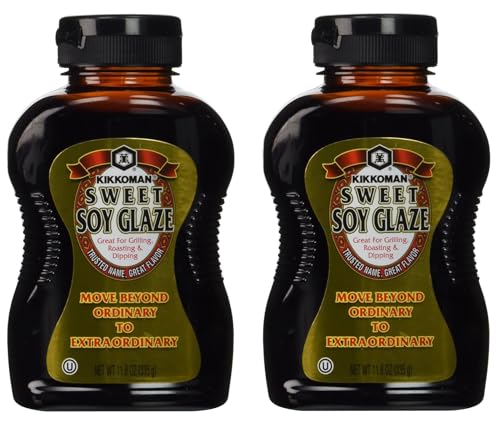
The package length of the product is 6 inches

Kikkoman, Baste & Glaze, Teriyaki, with Honey & Pineapple, 12.1 Ounce
Resting Grilled Chicken Wings for Maximum Juiciness
Let the wings sit for a few minutes once you pull them off the grill, and the juices will naturally redistribute, locking in flavor and tenderness. You’ll want a minimum of five minutes, but resting time variations of five to ten minutes give the best moisture content impact. Immediately transfer the hot wings to a plate, tent them lightly with foil, and keep them away from direct heat. Do not cut into them; the residual heat continues the redistribution, keeping the interior tender while the exterior stays crisp. This brief pause stops the cooking process, preventing over‑cooking and stabilizing moisture content for a consistent bite. Coordinate the rest with your final sauce drizzle, then serve while the wings are still warm and juicy. For any leftover grilled wings, store them in airtight containers in the freezer to maintain quality and safety. Brining the wings in pickle juice before grilling ensures they stay moist during the cooking process.
Troubleshooting Dry Wings, Uneven Char, and Hotspots
After the wings have rested, you may notice they’re still a bit dry, have uneven char, or develop hot spots. To fix dry wings, pat them with paper towels, then let them sit on a wire rack in the fridge for at least an hour; this dries the skin, promotes even seasoning distribution, and minimizes moisture loss. Use a two‑zone grill: start on indirect heat (350‑375°F) for 15 minutes, then finish on direct heat, rotating every five minutes to prevent hotspots and guarantee uniform crisping. Lightly oil the rack or a grill basket to prevent sticking, and flip frequently during the final direct phase. Keep the lid closed while cooking indirect to maintain consistent temperature and avert flare‑ups. Pat dry the wings before refrigerating to enhance crispiness.

✔ Product Information: The Grill Basket and Basting Brush are made of 430 food-grade stainless steel, which is reusable and strong, also rust resistant for long term use. Weight of brush is 2.11 ounce and the grill basket is 16.22 ounce

Complete High-Quality Grilling Value Set - Conquer the grill with your own tools to help you prepare your famous BBQ recipes. The SHIZZO Set includes a grill basket, basting brush, Stainless Steel Skewers, and even a portable carrying bag for a BBQ away from home.

【Quick Removable Handle】The handle is crafted from solid wood, offering a non-slip and heat-insulating grip. Its unique design ensures a secure and stable connection between the handle and the basket. Installation and removal are quick and easy, making it suitable for both smoker grilling and open fire grilling.