Medium heat on a grill is about 350 °F (176 °C), the sweet spot where you can sear and cook evenly without burning. You reach it by preheating 10‑15 minutes on gas, using a 30‑minute chimney on charcoal, setting an electric dial to 350‑375 °F, or letting a pellet or infrared grill auto‑reach that temperature. The hand‑test—holding your palm 4‑5 inches above the grate for 5‑7 seconds—gives a quick, reliable gauge. Keep the lid closed and the vents open for consistency, and you’ll master this temperature range in no time.
350 °F Medium Heat: Core Definition for All Grills
When you set your grill to medium heat, you’re aiming for a core temperature that hovers around 350 °F (176 °C), a sweet spot that works across charcoal, gas, and electric models. This 350 °F benchmark unites every grill type, giving you a reliable reference for medium heat cooking time and medium heat temperature adjustment. You’ll find the range typically sits between 325 °F and 350 °F, though some guides stretch it toward 400 °F for flexibility. The hand test—holding your palm six inches from the grate for six to seven seconds—confirms you’re in the right zone without a thermometer. Consistently hitting this temperature guarantees even doneness, prevents burnt edges, and allows you to control the cooking pace across a variety of foods. Proper preheating ensures your grill reaches the medium heat temperature zone before you begin cooking. Different grill types have varying maximum temperatures, so medium heat is generally considered around 350 °F regardless of the grill.
How Different Grill Types Hit the 350 °F Medium Heat Target
Setting your grill to that 350 °F sweet spot works differently depending on the fuel source, so let’s break down each type. On a gas grill you preheat ten to fifteen minutes, then use multiple burners to zone‑control the surface, adjusting airflow for consistent medium heat while mastering grill surface hot spots. Charcoal grills need a thirty‑minute chimney start; spread coals evenly, bank some to one side for indirect zones, and close the lid to keep the 325‑375 °F range steady, tweaking airflow as ash builds. For optimal results, keep your ash catchers and grill interior clean to maintain consistent airflow throughout the cooking process. Pellet grills hit 350 °F automatically; the feeder feeds fuel, letting you master hot spots and adjust airflow. Electric grills dial directly to 350‑375 °F, heating evenly in under ten minutes. Infrared units blaze to 350‑450 °F fast, using radiant heat to master spots and keep airflow steady. Understanding the medium heat range helps ensure food cooks through without burning.

【Easy to use】 Supports °C/°F display.

High mode can be used for highest heat possible. This product features auto start to self ignite your BBQ.

BBQ / Grill pit thermometer, safe and environmentally friendly.
The Hand‑Test Trick: Quickly Gauge 350 °F Without a Thermometer
A quick, reliable way to gauge that elusive 350 °F medium‑heat zone is the hand‑test trick, which lets you feel the grill’s radiant heat without a thermometer. Hold your hand 4–5 inches above the grate and count how long you can keep it there before the heat becomes uncomfortable. Five to seven seconds signals roughly 350 °F, giving you a practical hand test method accuracy that seasoned grillmasters trust. Consistent height and timing are key; any deviation skews the reading. Remember the hand test method limitations: exact temperature varies with grill type, coal layout, and airflow, and the technique offers only an approximate range. For best results, preheat the grill with opened vents to ensure your temperature readings are accurate before you begin cooking. Use it before cooking, adjust coals if needed, and repeat to confirm the zone. The hand test hand‑test is a reliable and time‑honored method for controlling grill heat.

[FAST & ACCURATE READING] Respond just within 2-3 seconds. The diameter of the dial plate is 2-3/8”, which is big enough for easy reading. With a 4 color-coded temperature range, you can grasp the internal temperature of grills at a glance. Featuring high-temperature measurement sensitivity, the grill thermometer is capable to detect temperature changes with an accuracy of ±0.5% during the entire cooking process.

COMPATIBILITY: Direct replacement thermometer for Nexgrill models 720-0697, 720-0737, 720-0830H, and 720-0888 grills

Large Display: Features a 2 3/8 inches large face for clear visibility; Stem length of 2 7/8 inches enhances accessibility; Enables easy classification of food temperatures in various cooking environments
Top 5 Foods That Shine at 350 °F (Burgers, Steaks, Veggies, Etc.)
If you set your grill to a steady 350 °F, a handful of foods practically come alive, delivering perfect texture and flavor without the guesswork of higher heat. Thick burgers thrive here, forming an even crust while staying juicy; aim for 6‑8 minutes per side and watch the internal 140‑155 °F. Using a digital meat thermometer helps you accurately monitor the internal temperature and avoid overcooking. Beef and lamb steaks reach medium doneness in the same range, with a quick 4‑5 minute sear per side. Dense veggies—cabbage wedges, whole onions, and thick asparagus—soften to sweet tenderness after 6‑12 minutes, while corn in the husk needs 25‑30 minutes. Whole fish and sturdy fillets stay flaky after 3‑5 minutes per side. For reliable results, use temperature control tips for medium heat: close the lid, avoid flare‑ups, and adjust vents to keep the grill steady at 350 °F. Accurate grate probes ensure the grill’s actual temperature matches the set point.

GREAT COMPATIBILITY- The grille is compatible with 2023-2024 Ford F-250 Super Duty, 2023-2024 Ford F-350 Super Duty. DOES NOT FIT XLT, XL! WILL ONLY FIT PLATINUM, LIMITED, KING RANCH, LARIAT! Please make sure your vehicle fit it before placing the order
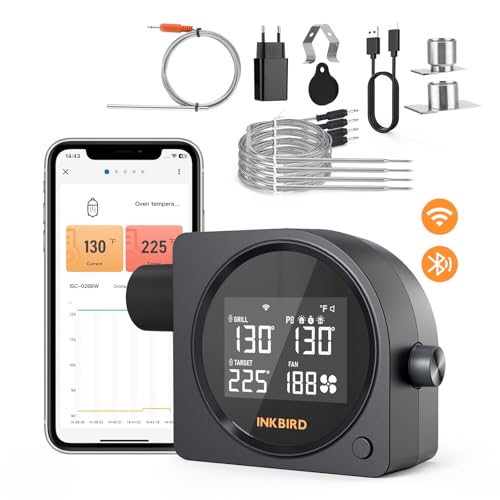
【5G Wi-Fi & Bluetooth5.0 Mode】Inkbird smoker controller fan supports two networking methods;can monitor the grill through smartphone; one smartphone can control multiple smoker controllers at the same time, or multiple people can monitor one smoker controller.

10-Second Heat-Up for Instant Cleaning: Say goodbye to long waits! Steam Mop heats up in just 10 seconds, releasing powerful 248°F (120°C) steam to soften stubborn stains. Perfect for busy households, this feature ensures quick and efficient cleaning without the hassle— making it the ideal choice for effortlessly refreshing your home before Christmas gatherings and ready for the New Year.
Top 5 Mistakes That Kill Your 350 °F Medium Heat
Grill masters often overlook the subtle shifts that sabotage a steady 350 °F zone, and those slip‑ups can turn a perfectly timed sear into a dry, uneven result. First, opening the lid too often lets heat escape, breaking your keeping consistent temperature and causing cold spots. Second, using too much charcoal or gas creates a blast of flame that triggers combustion issues, scorching food instead of cooking it evenly. Third, neglecting to pre‑heat the grill properly leads to a cold start, forcing you to crank the burner later and overshoot the target. Fourth, stacking food on the grate blocks airflow, causing temperature spikes and flare‑ups. Finally, ignoring the thermometer’s readout and relying on guesswork makes it impossible to avoid combustion issues and maintain that sweet 350 °F balance. Using a meat thermometer ensures the internal temperature is accurate and consistent. An instant-read thermometer provides rapid feedback on your grill’s temperature zone, helping you make real-time adjustments to stay locked at 350 °F.
How to Fix Common Medium‑Heat Mistakes
When you notice the grill temperature wavering or food browning unevenly, it’s a clear sign that your medium‑heat setup needs tweaking. First, check the burners or charcoal layout; uneven placement creates hot spots that sabotage maintaining consistent temperature. Adjust the vents or reposition coals to spread heat evenly, then let the grill stabilize for five minutes. Use a reliable probe to verify the grill sits near 350 °F; if it drifts, tighten the lid seal or add a water pan to buffer spikes. Flip items only once, and keep the lid closed to trap heat, which prevents overcooking. Finally, clean grates regularly—accumulated residue insulates and distorts heat flow, derailing your medium‑heat precision. Monitoring grate‑level temperature with an instant‑read thermometer ensures you stay within the target range. For thick steaks, consider using reverse searing to achieve a perfectly cooked interior while maintaining a flavorful crust.
When to Raise or Lower the 350 °F Target
Ever wonder why the same 350 °F setting can yield wildly different results? You raise the heat when you have thick cuts—steaks, bone‑in chicken, pork chops, kebabs, or smash burgers—because they need the Ideal sear temperature range of 375‑450 °F to trigger a Maillard crust and render fat without drying interiors. If you start low for smoke, jump to medium‑high (375‑450 °F) for a quick sear. For steaks specifically, searing on high heat for 1–2 minutes per side before moving to indirect heat ensures a perfect crust while the internal temperature reaches the desired doneness. Conversely, lower the grill for delicate vegetables, whole chickens, or caramelizing onions, keeping it between 275‑325 °F to preserve moisture. Adjusting for moisture content is key: higher heat evaporates surface water fast, while lower heat lets juices stay, resulting in even cooking and juicy results. Understanding the heat zone hierarchy helps you select the optimal temperature for each food type.