
Pick a lean cut like flank or top‑round, trim any veins, then slice it thin across the grain. Marinate it for a few hours in soy, olive oil, red‑wine vinegar, garlic, Worcestershire, and a touch of brown sugar; score the surface so the flavors sink in. Preheat your grill to a scorching 450‑600 °F, then lay the steak at a 45‑degree angle, sear two minutes, rotate 90 degrees for a diamond‑shaped crust, flip, and repeat. Use a thermometer to hit 130‑135 °F for medium‑rare, let it rest, then slice thin against the grain for juicy, caramelized perfection—more tips await if you keep going.
What Is a London Broil and Why Grill It?
When you hear “London broil,” think method a technique—not a specific cut. You’re tackling lean, active‑muscle beef—flank, top round, sirloin—by marinating it, searing it hot, then slicing thin against the grain. Your marinade selection should balance acidity, oil, and aromatics; a simple mix of soy, garlic, citrus, and a dash of honey softens fibers while layering flavor. Master grilling temperature control: preheat the grill to 450‑500°F, then lay the meat down for a rapid crust, turning once. Aim for an internal 130°F for medium‑rare; this short, high‑heat burst locks juices in and prevents the lean cut from drying out. After resting, cut diagonally, and you’ll taste a bold, juicy steak that feels tender despite its toughness. Consider using an instant-read thermometer to ensure you reach the precise temperature for optimal results. The term first appeared in American cookbooks in the 1930s.
Pick the Best London Broil Cut and Prep It for Flavor
Having mastered the high‑heat sear, you’ll now choose the cut that delivers the most flavor and tenderness. Opt for top‑round steak or flank steak—lean, muscular sections that stay juicy when sliced correctly. Place the meat on a board with the long side facing you, locate the grain, then trim any visible vein. Using a very sharp knife, employ proper cutting techniques: cut thin strips across the short side, perpendicular to the muscle fibers, to lock in tenderness. While you’ll add essential marinade ingredients later, now focus on the cut’s natural leanness; it will respond best to a quick, high‑heat cook and a brief 10‑minute rest before slicing. Remove the steak from the grill when it reaches your target internal temperature using a quick-read meat thermometer to ensure accurate doneness. This preparation sets the stage for a succulent, flavorful London broil. Cutting against the grain is essential for tenderness.

Instant Read Food Thermometer | Our instant read thermometer features a temperature probe and advanced, highly accurate technology with 1-2 seconds response time; Instructions, meat temperature chart, comes pre-calibrated for your convenience, and recalibrating feature if needed.

Fast & Accurate: Get precise readings in just 1 second with ±0.9°F accuracy. NSF Certified for trusted food safety, this digital food thermometer features a 4.3 inches food-grade stainless steel meat probe, perfect for grilling, frying, baking, making candy and more

【Ultra-Fast & Precision Accurate】This meat thermometer digital delivers accurate readings within ±1°F/±1°C in just 1–2 seconds, with a wide temperature range of -58°F to 572°F (-50°C to 300°C). No more waiting over the heat - know your food's exact temperature instantly.
Marinate Your London Broil Like a Pro
A solid 2‑hour soak already awakens the meat, but letting the London broil marinate for 6 hours or even overnight liberates its full flavor and tenderness. Start by whisking soy sauce, olive oil, red‑wine vinegar, minced garlic, and Worcestershire sauce into a glossy blend. Add a spoonful of brown sugar to achieve a Marinade flavor balance that tempers acidity. Score the steak in a criss‑cross pattern, then place it in a gallon‑size zip‑top bag, press out air, and massage the meat so the mixture coats every fiber. Refrigerate and turn the bag every few hours; the Ideal marination time is 6 hours for peak tenderness without mushiness. Before grilling, let the broil sit at room temperature for 30 minutes, pat it dry, and discard the used marinade. Just as higher heat tolerance prevents burning when cooking grilled cheese, ensuring proper marination time prevents the meat from becoming mushy. Cliffs Elbow Room is known for its iconic marinated steaks.

A tangy, irresistible sauce that adds a distinct sweet n' Sour Asian flair to your meal, Primal Kitchen no soy teriyaki sauce is an Uncompromisingly delicious condiment to savor every bite

WEEKNIGHT MEAL: Add our award winning Veri Veri Teriyaki Less Sodium Marinade & Sauce to your favorite homemade meal for an easy weeknight dinner with three delicious flavors of salty gingery and garlicky; Package may vary

10 oz organic reduced sodium shoyu soy sauce
Heat the Grill for a London Broil Sear (450‑600 °F)
A solid 10‑15‑minute preheat gets your gas grill humming at a steady 500 °F, while a charcoal kettle needs about 20‑30 minutes to settle into a uniform 450 °F direct‑heat zone. Close the lid, crank the burners to medium‑high, and let the high heat preheating work its magic. Use an infrared thermometer or built‑in gauge to verify a consistent grill temperature across the grate; aim for 450‑600 °F before you even think about the meat. Charcoal cooks demand a steady hand—spread the coals evenly, let the flames die down, and check multiple spots for uniform heat. Once the surface radiates the right blaze, you’ll lock in juices, spark the Maillard reaction, and set the stage for a perfect crust. For best results, choose a thin steak no more than an inch thick, as high‑heat cooking works optimally with thinner cuts. A thermometer is highly recommended to ensure your London broil reaches the perfect internal temperature for your desired doneness.

2-in-1 IR Thermometer Gun: Unrivaled and innovative design as an upgrade to digital meat thermometers and temperature guns, The ROOKPRO can measure both internal and surface temperatures, Use as a surface thermometer for a griddle with the IR sensor, and a BBQ thermometer for food with the meat thermometer probe

Wide Temperature Range: Measures temperatures from -58℉ to 1112℉ (-50℃ to 600℃), making it perfect for a variety of applications, including cooking, pool maintenance, oven temperature checks, and candy making
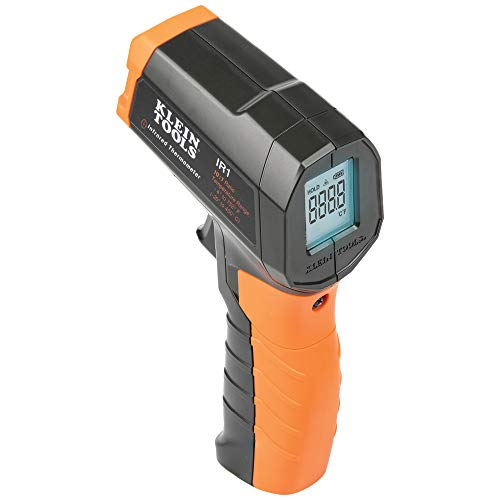
PRECISE TEMPERATURE MEASUREMENT: Optical resolution (distance-to-spot) of 10:1 ensures accurate temperature readings from a distance
Sear Your London Broil With a Cross‑Hatch Pattern
Now the grill’s glowing at a steady 500 °F, lay the London broil on the grate at a 45‑degree angle. The diagonal sears the grill marks cut across the meat, setting up a striking cross‑hatch. Let the steak sizzle for exactly two minutes—monitor grill temperature and review searing timing as the first stripes form. Then, without flipping, lift the meat and rotate it from the 10:00 to the 2:00 clock position, a 90‑degree turn that creates intersecting lines. After the initial side develops a diamond pattern, flip the broil, repeat the 45‑degree placement, and rotate another quarter turn. This method yields restaurant‑style grill marks and deep caramelization on both faces. Thick steaks stay pink and tender inside. For optimal results, allow the meat to rest for 5-15 minutes after searing to retain its juices and maximize tenderness.
Check London Broil Temperature for Medium‑Rare (130‑135 °F)
Three to five minutes before the steak hits the grill’s edge, slide a digital instant‑read thermometer into the thickest part of the London broil; you’ll feel the heat humming against the metal as the probe registers the internal temperature check. Aim for 130 °F – 135 °F, pulling the steak at the lower end of that range to let carryover cooking finish the job. Trust the thermometer accuracy—instant‑read models like a Thermapen give you a precise read within seconds, eliminating guesswork. When the needle steadies at 130 °F, you know the meat will rise to the perfect 135 °F medium‑rare after resting. This careful monitoring prevents the dry, tough texture of overcooked beef and preserves the juicy, red center that defines a flawless London broil. Look for thermometers with a fast response time to ensure you get accurate readings before heat loss affects your results. Flank steak is the traditional cut used for London broil.
Rest, Slice, and Store Your London Broil for Best Taste
After you pull the London broil off the grill, let it rest under a loose foil tent for ten minutes, allowing the juices to redistribute and the internal temperature to climb a few degrees. This optimize resting technique lets the meat retain moisture and finish its rise, preventing a dry slice later. Transfer the steak to a cutting board away from the heat source, then, once the juices have settled, slice thinly against the grain. A sharp knife gives you even, diagonal slices that preserve tenderness through slicing and make each bite melt in your mouth. Like the low-and-slow cooking method used for BBQ ribs, proper resting after grilling ensures the meat achieves optimal tenderness and flavor retention. Wrap the sliced portions tightly in plastic or foil, place them in an airtight container, and refrigerate for up to four days or freeze for two to three months. Avoid microwaving to keep the texture supple. Flank steak is commonly used for London broil recipes.


