Yes, you can grill frozen chicken safely—just preheat the grill to about 350‑375°F, create a two‑zone setup, and start with a 5‑7‑minute sear on the hot side to lock in flavor. Then move the pieces to the cooler zone, cover the grill, and cook until a digital thermometer reads 165°F in the thickest part, adding a final direct‑heat blast for crispness. Follow these steps and you’ll avoid common pitfalls while achieving juicy, perfectly cooked chicken.
Can You Safely Grill Frozen Chicken?
While it may seem risky, you can safely grill frozen chicken—as long as you bring its internal temperature up to 165 °F (73.9 °C). Start with ideal marinade selection: choose a sauce high in oil or acidity to combat the extra moisture frozen meat releases. Brush the chicken lightly, then let it sit for a few minutes; this mimics proper thawing techniques without fully defrosting. Place the pieces on a medium‑high grill, reducing heat by about 20 % compared with thawed poultry. Use a digital meat thermometer, inserting it into the thickest part away from bone, and cook until the readout hits 165 °F. This method eliminates guesswork, prevents flare‑ups, and guarantees safe, juicy results every time. Ensure the chicken reaches the safe internal temperature of 165 °F to kill harmful bacteria.
How to Preheat and Set Up Your Grill for Grilled Frozen Chicken
A solid start begins with a 10‑15 minute preheat, bringing the grill to roughly 350 °F (175 °C) for an even, indirect‑heat zone that gently thaws the chicken before searing. Set one side to medium‑high (≈375 °F) for direct heat and keep the opposite side cooler for indirect cooking. Oil the grates after they’re hot, then brush the frozen pieces with a thin oil layer to prevent sticking and boost flavor. This two‑zone, even heating method lets you sear the skin on the hot side for five minutes, then move the meat to the cooler side to finish without burning. Keep the grill stable, monitor temperature, and aim for a crisp exterior that enhances food presentation. To ensure food safety when grilling frozen chicken, verify the internal temperature reaches 160°F before consuming. Grilling frozen chicken is possible when you maintain consistent heat throughout the process.
Step‑by‑Step Method to Grill Frozen Chicken Perfectly
Grab the frozen pieces, pat them dry, and set the grill to a two‑zone setup—direct heat on one side and a cooler, indirect zone on the other. Start by searing each side for 5‑7 minutes over direct heat to lock in a bold flavor profile and create a crust that resists flare‑ups. Then move the chicken to the indirect zone, lower the temperature to about 375 °F (or 20 % less than your usual setting), and cover the grill. Flip occasionally, letting the meat cook slowly to overcome the usual cooking challenges of frozen poultry. This gradual cooking method helps maintain moisture and prevents the gray band of overcooked meat that often occurs with frozen proteins. After the internal temperature hits 165 °F, finish with a brief 5‑minute direct‑heat blast for crispness, then rest the pieces before serving. Increasing cooking time by at least 50 % helps ensure the interior reaches a safe temperature.
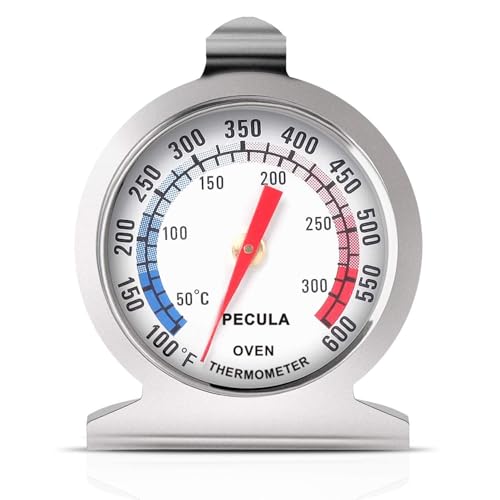
Clear Dial Display: PECULA's analog oven thermometer delivers precise, instant readings from 50–300°C / 100–600°F. Its dial features clear dual-zone blue and red indicators for at-a-glance temperature monitoring—perfect for ovens, grills, smokers, and deep fryers, ensuring you master every bake, roast, or fry.

Fast & Accurate: Get precise readings in just 1 second with ±0.9°F accuracy. NSF Certified for trusted food safety, this digital food thermometer features a 4.3 inches food-grade stainless steel meat probe, perfect for grilling, frying, baking, making candy and more

Wide Temperature Range: Measures temperatures from -58℉ to 1112℉ (-50℃ to 600℃), making it perfect for a variety of applications, including cooking, pool maintenance, oven temperature checks, and candy making
Seasoning Tips for Grilled Frozen Chicken
Ever wondered why frozen chicken can still taste bold on the grill? You’ll get flavor maximization by starting with a generous salt‑and‑pepper base; the coarse crystals cling to the surface when you dry‑rub after a brief thaw. Brush the meat with olive oil or a bouillon‑oil mix to lock in seasonings and prevent sticking. Press a Greek spice blend or a spicy rub into the oiled skin, then sprinkle extra black pepper for a punchy finish. For texture enhancement, drizzle a vinegar‑based dressing or a lemon‑soy paste before the grill, letting the acidity break down fibers while the oil creates a crisp crust. Finally, give the chicken a quick rest on the grates so the seasoning adheres fully, ensuring every bite bursts with bold, balanced taste. Two‑zone grilling allows a gentle defrost before direct heat, preserving moisture and flavor. Using a meat thermometer in the thickest part ensures your frozen chicken reaches the proper internal temperature for both safety and optimal juiciness.

RICH & BOLD FLAVOR: Reach for the flavor of bold garlic and rich olive oil to infuse everyday and special occasion meals with unforgettable flavor the whole family will love.

4 Dipping Seasonings

Features a blend of natural flavors and seasonings, including garlic and rosemary
Timing and Temperature for Grilled Frozen Chicken
Wondering how to grill frozen chicken without burning it? Preheat your grill to a steady medium‑high, about 175‑190 °C (350‑375 °F), for at least ten minutes while you oil the grates. Start with indirect heat: place the frozen pieces on the cooler side and cook 10‑15 minutes to begin the ideal thawing time. Then shift them to direct heat, searing each side 5‑7 minutes and flipping halfway for a crisp crust. Boneless breasts need roughly 30‑40 minutes total, thighs 35‑45 minutes, wings 25‑30 minutes, and drumsticks 45‑50 minutes. Aim for an internal temperature of 165 °F (75 °C); remove at 160 °F and tent with foil for carry-over cooking. This staged timing guarantees even heat penetration and perfect frozen chicken doneness. Safe temperature is essential to kill harmful bacteria. Letting the chicken rest after cooking will help seal in juices for maximum tenderness.

Instant Read Food Thermometer | Our instant read thermometer features a temperature probe and advanced, highly accurate technology with 1-2 seconds response time; Instructions, meat temperature chart, comes pre-calibrated for your convenience, and recalibrating feature if needed.

No Guessing, Perfectly Cooked Meat Every Time: Instant-read digital thermometer gives you accurate internal temperature in seconds, so you know exactly when your steak, chicken or burger is done – no cutting, no guessing.

【8X Faster + 4X More Precise】: Upgraded with an industrial-leading professional thermocouple sensor, Themomonster meat thermometer digital with NIST certified ±0.5℉ precision provides you the accurate temperature of your food in just 0.5 Seconds.
Food‑Safety Checklist for Grilled Frozen Chicken
After you’ve nailed the timing and temperature, the next step is to make sure every bite is safe. Check the chicken’s internal temperature with a digital thermometer in the thickest spot; you need 165°F (73.9°C) to halt bacteria behavior such as Salmonella and E. coli. Keep the meat out of the danger zone (40‑140°F) as long as possible—thaw briefly in cold water or use indirect grill heat to avoid uneven warming. Pat the frozen pieces dry, oil the grates, and wash your hands before and after handling. Treat any grill marks as raw, and seal thawing bags to contain drips. Consider your propane supply when planning longer cooking sessions, as medium-sized grills typically provide 18 to 20 hours of runtime per tank. Follow these grilling precautions religiously, and you’ll serve safe, tasty chicken every time. Selecting premium cuts from Tariq Halal Meats ensures consistent quality and flavor.
Troubleshooting Common Issues When Grilling Frozen Chicken
Facing a frozen chicken on the grill means you’ll battle burnt outsides, raw centers, rubbery texture, uneven heat, and flare‑ups—all at once. First, pre‑heat the grill for ten minutes, then switch to indirect heat; this slows the thaw, cuts flare‑ups, and lets the interior reach 165 °F without scorching the exterior. Pat the meat dry and oil the grates to curb sticking and grease bursts. Slice thick pieces into uniform strips to promote even cooking and reduce the 50 % longer time that threatens flavor considerations. Keep the lid closed to trap heat, and use a meat thermometer to verify temperature, protecting nutritional impact by eliminating undercooked, bacteria‑laden zones. Adjust the flame, monitor moisture, and you’ll preserve juiciness while avoiding rubbery, burnt results. For leftover grilled chicken, consider reheating in an air fryer to maintain the texture and moisture you worked to achieve on the grill. Frozen chicken has a longer shelf life than fresh chicken, allowing you to store it safely for weeks before grilling.


