Set your grill to a steady 350‑450 °F medium heat and create a 2‑zone setup: a hot direct zone (500‑600 °F) for a quick sear and a cooler indirect zone (350 °F) for gentle cooking. Bone‑in breasts need a 3‑5 min direct sear then 20‑30 min indirect; boneless breasts require 8‑12 min total direct heat, turned once. Thighs and drumsticks get 6‑10 min direct, 30 min indirect. Use a digital thermometer to hit 165 °F for breasts and 170‑175 °F for thighs, then let the chicken rest 5‑10 min for juicy results, and you’ll uncover even more tips ahead.
Set the Ideal Grill Temperature for Each Chicken Cut
Set the grill to a steady 350‑450°F medium heat and adjust the zone based on the cut: bone‑in breasts need a quick 3‑5 min direct sear followed by 20‑30 min indirect, while boneless, skinless breasts require 8‑12 min direct heat, turned once, to reach 165°F. You brine chicken thoroughly before grilling; the salt solution adds moisture and flavor, reducing drying during the indirect phase. For bone‑in thighs, sear 6‑10 min direct, then cook over indirect heat for 30 min to hit 175‑200°F. Drumsticks follow the same pattern: 6‑10 min direct, 30 min indirect, aiming for 170°F. Whole legs need an 8‑10 min direct sear, then 40‑50 min indirect to reach 165°F. Keep zones distinct, monitor internal temps, and avoid cross‑contamination. Using whole chicken for stock after grilling captures any residual flavors. A digital meat thermometer inserted in the thickest part of the meat ensures accuracy when checking doneness across different cuts.

Fast and Accurate Reading: Kitchen thermometer for cooking features a 1 second readout speed and high accuracy of +/-0.9 degrees Fahrenheit, ensuring you receive the most delicious results every time

【8X Faster + 4X More Precise】: Upgraded with an industrial-leading professional thermocouple sensor, Themomonster meat thermometer digital with NIST certified ±0.5℉ precision provides you the accurate temperature of your food in just 0.5 Seconds.

【Fast & Accurate】Our meat thermometer digital delivers accurate readings within ±1°F in just 1–2 seconds, with a wide temperature range of -58°F to 572°F (-50°C to 300°C). No more waiting over the heat - know your food's exact temperature instantly.
Preheat Your Grill for Consistent Heat Zones
If you skip preheating, the grill’s temperature will fluctuate, ruining the heat‑zone plan you need for chicken. You must accomplish essential temperature control by heating the grate to a stable baseline before adding food. For gas grills, light the direct burner and keep the indirect burner off for at least 10 minutes, allowing the lid thermometer to settle at 350–400°F. For charcoal, spread a thin, even layer of coals, close the lid, and wait 12–15 minutes until the center reads 325–350°F. Proper preheating also reduces food safety risks by allowing your grill to reach safe cooking temperatures before you place chicken on the grates. This proper preheat duration creates distinct zones: a hot sear zone (450‑600°F), a medium zone (350‑400°F), and a low zone (225‑275°F). Maintaining these zones prevents uneven cooking and ascertains chicken reaches safe internal temperatures without burning. Grill temperature is easiest to manage when measured at grate level, so grate temperature should be monitored directly.
Choose Direct or Indirect Heat for Juicy Chicken
After you’ve locked in stable heat zones, decide whether to cook the chicken over direct or indirect heat. Set grill heat per chicken thickness: use a 500‑600°F direct zone for thin breasts or wings, and a 350°F indirect zone for thick thighs or whole birds. Direct heat delivers char, sear, and grill marks, but you must Monitor temperature throughout cooking to avoid burning and moisture loss. Indirect heat acts like a convection oven, keeping internal temperature steady around 140°F for juiciness, especially on larger pieces. The 2‑zone method combines both: start indirect to bring the core up, then finish with a quick direct blast for texture. Let the meat rest for 5 to 10 minutes after cooking to retain juiciness and lock in flavors. Choose the zone that matches your cut’s size and desired crust. Gravity Series grills can switch between direct and indirect modes by adjusting the temperature setting.

High Power: With 1800W (120V, 15A) of power, this electric grill heats up quickly and holds temperature steadily—perfect for large gatherings and fast grilling

High Power: With 1800W of power, this grill heats up quickly and holds temperature steadily—perfect for large gatherings and fast grilling
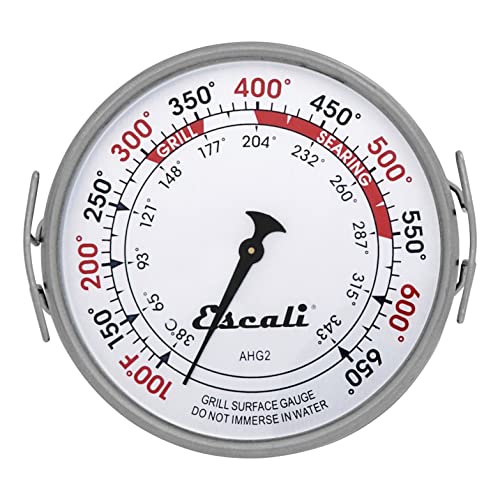
Temperature Range: 100° to 650°F / 38° to 343°C. Dial Diameter: 3.5 inches
Flip Chicken at the Right Time and Frequency
Two to three minutes of searing per side on a 400‑450°F direct zone is usually enough to lock in flavor without drying out boneless breasts, so flip them at the halfway mark—around 5‑6 minutes total cook time—to guarantee even grill marks and a uniform internal temperature. For boneless thighs, aim for 7‑8 minutes per side at 375°F, flipping once after the first side reaches 165°F internal. Resting the thighs wrapped in foil for about 10 minutes after grilling helps the connective tissue break down, keeping the meat moist and tender. Wings need a turn every 3 minutes during a 15‑20‑minute 350°F session; tenders require a quick flip after 2‑3 minutes per side at 375°F. Whole spatchcocked chickens flip once around the 50‑minute mark at 375°F. Throughout, practice strict grill timing and temperature monitoring, checking the grill every minute after each flip to avoid hot‑spot burn and ascertain consistent doneness. Use a digital meat thermometer to verify that each piece reaches the safe internal temperature of 165°F.
How to Use a Thermometer to Nail the Right Chicken Temp?
A reliable instant‑read thermometer lets you hit the exact internal temperature every time, eliminating guesswork and ensuring safety. Pre‑heat timing for chicken is critical; set the grill to 350‑375°F and let it stabilize for 5‑10 minutes before placing the meat. When you’re ready, apply the proper meat insertion technique: slide the probe into the thickest part, avoiding bone, fat, and the pan surface. For breasts aim for 165°F, for thighs and drumsticks target 170‑175°F, and for wings 165‑175°F. Verify the reading is stable for at least three seconds before pulling the chicken off the grill. Clean the probe after each use to prevent cross‑contamination. This data‑driven approach guarantees USDA‑approved safety without overcooking. The USDA‑est minimum internal temperature is 165°F, which instantly destroys harmful bacteria. Resting the meat after cooking allows carryover cooking to reach ideal temperature without drying out the breast.

UPGRADED PROBE FOR FASTER, MORE STABLE READINGS - This meat thermometer features a precision-upgraded probe with higher sensitivity and enhanced thermal conductivity, delivering more accurate and stable readings in just 0.5 seconds. Unlike standard probes, the upgraded design transfers heat faster from first contact, giving you a more reliable and consistent temperature measurement every time—no more guessing, only perfect meals!

More Accurate, More Professional: With a National Institute of Standards and Technology (NIST) certification for its ±0.5℉ accuracy, this meat thermometer is a game-changer cooking tool for BBQs, roasts, candy, and everyday meals, ensuring your food is cooked safely and deliciously every time.

Completely Waterproof: IPX6 waterproof rating means you can wash this cooking thermometer under running water without fear. This food thermometer for cooking ensures cleanup is ultra-fast
Adjust Heat for Bone‑In vs. Boneless Chicken
When you grill bone‑in chicken, you’ll use a two‑zone approach—high direct heat for the initial sear, then lower indirect heat for the remainder—whereas boneless pieces stay on a steady medium‑high zone the whole time. For bone‑in breasts (10‑12 oz), sear 3‑5 min at 350‑450°F, then move to indirect 20‑30 min at 350‑450°F; total 18‑25 min. Boneless breasts (6‑8 oz) cook 10‑15 min straight at 375‑400°F. Thighs follow the same pattern: bone‑in thighs (5‑6 oz) sear 6‑10 min, indirect 30 min; boneless thighs (¾‑inch, 4 oz) stay 12‑18 min at 375‑425°F. Always manage cooking time meticulously, monitor doneness frequently with a thermometer, and aim for 165°F (breast) or 175‑200°F (thigh). Flipping frequently every 3 to 5 minutes ensures even cooking and helps develop crispy skin across all chicken pieces. This data‑driven method prevents drying and guarantees uniform texture. Pat the chicken dry and pull back the skin to help the baking powder adhere for extra crispiness.
Rest Chicken for 5 Minutes to Lock in Juices
You should let the chicken rest for 5–10 minutes after it leaves the grill so the juices can redistribute and the internal temperature can settle around 60 °C. A 5‑minute resting duration minimizes carry‑over heat while allowing juices redistribution, which preserves moisture and prevents loss when you slice. Data show that unwrapped meat reaches 60 °C in ~20 minutes, but a brief 5‑minute pause already stabilizes temperature enough for a moist bite. Loosely tented foil extends cooling to ~46 minutes, which is unnecessary for most cuts. Monitor internal temperature; if it stays above 60 °C after the pause, the meat is ready. This concise step locks in juiciness without over‑cooking. For best results when reheating leftover chicken, use moisture-retaining methods like an air fryer or oven with added liquid to prevent the meat from drying out. Bone‑in, skin‑on cuts are more forgiving and retain moisture better.
Avoid Common Chicken‑Grilling Temperature Mistakes
Three common temperature mistakes can ruin a chicken grill: ignoring the 165 °F internal‑temperature target, cranking the grill to high heat too soon, and relying on visual cues instead of a thermometer. First, prepp the grill surface by preheating to a moderate 350‑375 °F, then set up indirect heat zones; this prevents scorching while the interior climbs to 165 °F. Second, monitor doneness indicators with a calibrated probe placed in the thickest part, avoiding bone and fat; clear running juices confirm the reading. Third, avoid flipping more than once and keep spacing adequate to preserve airflow. Consistent temperature checks and proper heat placement keep the meat juicy and safe, eliminating under‑ or over‑cooking. Use a food thermometer to verify the internal temperature. For optimal results, rest the chicken for 5 to 10 minutes after grilling to allow the juices to redistribute.
Quick Reference: Temp, Time & Tips by Chicken Cut
A handful of key metrics let you grill every chicken cut perfectly: boneless breasts need 400 °F, 5‑6 min per side (or 9‑10 min total at 425‑450 °F) until 165 °F internal; bone‑in thighs require 400 °F direct, then 300 °F indirect, 30‑40 min total (or 20‑25 min at 375‑425 °F) with a sear‑then‑indirect method; boneless thighs cook at 375 °F, 7‑8 min per side (12‑18 min total) direct heat; wings use 350 °F, 15‑20 min, turning every 3 min; legs/drumsticks stay at 375‑400 °F, 30‑35 min (legs) or 30‑40 min (drumsticks), rotating frequently for crispy skin. Apply proper chicken seasoning before each cut, and practice controlling flare ups by moving food to indirect zones when flames surge. For bone-in thighs specifically, some grillers prefer cooking to higher internal temperatures of 185‑195 °F for enhanced juiciness and tenderness. Follow these data‑driven timings, and you’ll hit target internal temps consistently. Air‑drying the skin for 4‑24 hours in the fridge before grilling enhances crispness.