Preheat your gas grill to 400 °F, oil the grates, and let it sit 10‑15 minutes; then lower to 350 °F. Pat dry the boneless thighs, trim excess fat, and marinate in oil, acid, and seasonings for at least 30 minutes. Sear them directly for 4‑5 minutes per side, then move them to indirect heat until a meat thermometer reads 165 °F. Flip once halfway, keep the temperature steady, and let the meat rest before serving—more tips await if you keep going.
How to Preheat and Set Up Your Grill for Boneless Chicken Thighs
If you start by firing up the grill to a high setting—about 400 °F for a gas grill or a hot charcoal bed of 600 °F for a two‑zone setup—you’ll create the perfect searing surface for boneless chicken thighs. Preheat the gas grill for 10‑15 minutes, setting all burners to high, then reduce to medium (≈350 °F) after brushing the grates clean. For charcoal, fill a ¾‑chimney, light until ash‑covered, and spread coals loosely on one side to form an indirect zone; the direct side will hold the Ideal grate temperature of 400‑450 °F. Lightly oil the grates to guarantee a consistent sear, while the Ideal grate temperature maintains the heat needed for juicy, evenly cooked thighs. Use a meat thermometer to verify your chicken reaches 165 °F for food safety. Versatile protein makes this method ideal for meal prep and nutrient‑dense meals.

Fast & Accurate: Get precise readings in just 1 second with ±0.9°F accuracy. NSF Certified for trusted food safety, this digital food thermometer features a 4.3 inches food-grade stainless steel meat probe, perfect for grilling, frying, baking, making candy and more

【8X Faster + 4X More Precise】: Upgraded with an industrial-leading professional thermocouple sensor, Themomonster meat thermometer digital with NIST certified ±0.5℉ precision provides you the accurate temperature of your food in just 0.5 Seconds.
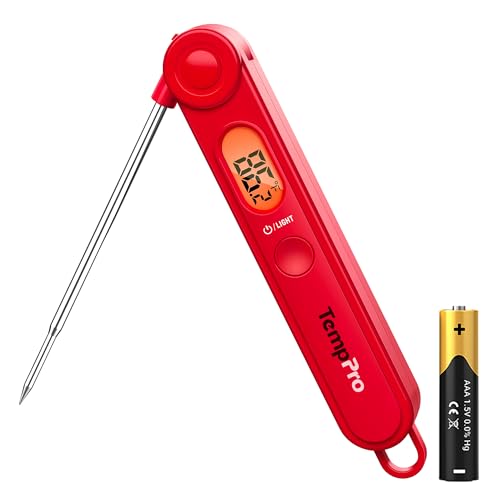
【Easy to Use】Easily release the meat probe at the push of a button, and control the backlight or power with another button. With TempPro, cooking becomes a seamless, stress-free experience
Marinate and Prep the Grill to Prevent Sticking on Boneless Thighs
After you’ve set the grill to a steady 350 °F, move straight to seasoning the thighs. Trim excess fat, then pat each boneless thigh dry. In a bowl or Ziploc bag, combine olive oil, lemon juice or apple cider vinegar, soy sauce, honey or brown sugar, garlic, Dijon mustard, and your chosen spices. Toss or massage the chicken until every surface is coated, then reserve a small amount of the for basting. Marinate for a minimum of 30 minutes, but you can make marinate duration adjustments—up to 12 hours for tender flesh, or up to 24 hours for intensified flavor. After refrigeration, let the thighs sit at room temperature for 15 minutes. Before grilling, oil the grates, shake off excess liquid, and place the meat smooth‑side down to prevent sticking. For optimal results, use indirect cooking to ensure even cooking and juiciness throughout the thighs. Maintain precise grill temperature control throughout. The chicken cooks in less than 15 minutes, making it a quick and tasty option for meal prepping.
Pick Direct or Indirect Heat for Boneless Chicken Thighs?
Which heat method you choose matters most for boneless chicken thighs: direct heat sears the surface quickly, delivering grill marks and a crisp crust, while indirect heat cooks more gently, preserving juiciness and preventing the meat from drying out. For thighs, start with direct heat to create color and a crunchy exterior, then move them to indirect heat to finish cooking without drying. This two‑zone approach yields a juicy texture and consistent cook times, balancing rapid searing at 500‑600 °F with gentle roasting at lower temperatures. Direct heat alone risks overcooking the interior, while indirect heat alone can leave the surface pale. By searing first and then roasting, you lock in moisture, achieve even doneness, and avoid burnt spots. Using a meat thermometer ensures your thighs reach the proper internal temperature for safe consumption. Thinner cuts benefit from the intense, localized heat of direct cooking.

Meets standards for animal welfare, feed, and more, so you can know about what you're buying (and eating)

Fresh Chicken Boneless, Skinless Thighs
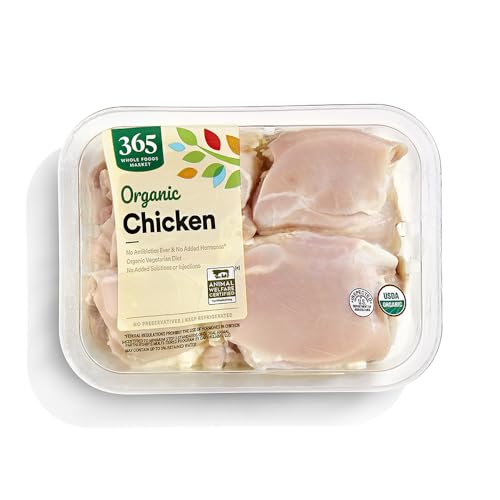
365 by Whole Foods Market products give you that dance-down-the-aisles feeling, virtual aisles too! Our huge range of choices with premium ingredients at prices you can get down with makes grocery shopping so much more than tossing the basics in your cart.
Ideal Cooking Times and Flip Patterns for Perfectly Charred Boneless Thighs
Direct heat gives you the sear you need, then a quick flip locks in moisture and creates those coveted char lines. For perfectly charred boneless thighs, aim for a total of 8‑10 minutes on medium‑high direct heat (375‑400 °F). Use a single flip after 4‑5 minutes on the first side, then grill another 4‑5 minutes. If you prefer a 3‑3‑3‑3 pattern, flip every three minutes and rotate 90° each time to build cross‑hatch marks. Keep the temperature range steady; avoid letting the grill drop below 375 °F or exceed 450 °F, which can over‑cook the interior. Using a meat thermometer ensures your thighs reach the proper internal temperature for food safety. Conduct a doneness assessment by checking for firm yet juicy texture before removing the thighs from the grill. This timing and flip strategy yields consistent char and juiciness. Boneless thighs absorb marinades more readily, enhancing flavor during the short grilling period.
Use an Instant‑Read Thermometer on Boneless Chicken Thighs for Safe Internal Temps
If you want to ascertain safe, juicy boneless chicken thighs, grab an instant‑read thermometer and check the internal temperature before you pull them off the grill. Monitoring boneless thigh temperature eliminates the guesswork of relying on time alone, which can leave dangerous pathogens alive. Insert the probe into the thickest part; you should see 165°F (74°C) for USDA‑approved safety. This reading confirms instant bacterial death, even though lower temps like 155°F kill microbes in under a minute, the 165°F threshold verifies immediate safety without overcooking. Trust the thermometer over visual cues, and you’ll achieve consistent results, preserving moisture while meeting food‑safety standards. Look for thermometers with fast response times to get accurate readings quickly during your grilling sessions. Use it every grill session for reliable, repeatable outcomes. Carryover cooking continues to raise the internal temperature after removal from heat, ensuring full safety even if the grill reading is slightly below the target.

【Fast & Accurate】Our meat thermometer digital delivers accurate readings within ±1°F in just 1–2 seconds, with a wide temperature range of -58°F to 572°F (-50°C to 300°C). No more waiting over the heat - know your food's exact temperature instantly.

UPGRADED PROBE FOR FASTER, MORE STABLE READINGS - This meat thermometer features a precision-upgraded probe with higher sensitivity and enhanced thermal conductivity, delivering more accurate and stable readings in just 0.5 seconds. Unlike standard probes, the upgraded design transfers heat faster from first contact, giving you a more reliable and consistent temperature measurement every time—no more guessing, only perfect meals!

More Accurate, More Professional: With a National Institute of Standards and Technology (NIST) certification for its ±0.5℉ accuracy, this meat thermometer is a game-changer cooking tool for BBQs, roasts, candy, and everyday meals, ensuring your food is cooked safely and deliciously every time.
When to Move Boneless Thighs From Direct to Indirect Heat (Two‑Zone Method)
After checking the internal temperature with an instant‑read thermometer, you’ll know when the sear is done and it’s time to shift the thighs to indirect heat. The preferred searing duration is 5‑6 minutes total on direct heat, typically 3 minutes per side with flips every 1‑2 minutes and a quick rotation to avoid flare‑ups. Aim for an ideal grill temperature range of 450°F‑600°F during this phase. When both sides display a golden‑brown hue, charred texture, and even grill marks, the exterior is sealed and you can move the thighs to the cooler half of the grill. Finish cooking in the indirect zone until the internal temperature reaches 175°F to 185°F for optimal juiciness, then let the meat rest for carry‑over cooking. Use a small hickory chunk to add smoke flavor during the searing stage.
Common Mistakes to Avoid When Grilling Boneless Chicken Thighs
Even seasoned grillers can trip up on boneless chicken thighs. First, neglecting clean grill temperature regulation invites hot‑spot burns or raw interiors; preheat, scrub, and oil the grates, then hold a steady 375‑400°F. Second, relying on touch or color instead of a probe leads to under‑cooked meat; check the thickest part for 165°F. Third, applying sauce too early causes sugar burn—use proper sauce application timing, brushing BBQ only during the final 3‑5 minutes. Fourth, skipping the oil on grates or chicken results in sticking and tearing when you flip. Fifth, failing to trim excess fat or pat dry marinated thighs creates flare‑ups and uneven cooking. Finally, skip resting the thighs after grilling and juices will escape, leaving them dry. Letting the chicken rest for a few minutes after cooking seals in juices and prevents dryness. Use a food thermometer to ensure the proper internal temperature is reached.
Fix Over‑ or Undercooked Boneless Chicken Thighs Quickly
Skipping the temperature‑check and sauce timing steps often leaves you with thighs that are either dry and rubbery or still pink inside. To rescue overcooked meat, shred the pieces, toss them with broth, oil, or butter, then fold into soups, salads, or enchiladas. For undercooked thighs, cover them with a creamy jalapeño ranch or BBQ glaze, then reheat on low heat, keeping the lid on to trap steam. A quick pan recovery works too: sear each side 4 minutes over medium‑high, rest 3‑5 minutes, add stock, cover, and steam 2‑3 minutes. These moist‑heat fixes let you achieve ideal doneness while mastering texture variations without sacrificing flavor. When reheating any chicken pieces, avoid high heat and over-reheating to retain moisture and texture. Pat the skin dry before cooking to ensure a truly crispy skin texture.