
Heat grilled chicken fastest in an air‑fryer: preheat to 360 °F, brush lightly with oil, lay pieces skin‑side up in a single layer, then fry 2‑5 minutes, flipping halfway until the interior hits 165 °F. For juicier results, use a convection oven at 250 °F, mist with water, cover tightly with foil, and warm for about 10 minutes. A skillet can revive crisp skin with a quick sear and steam finish. Keep the meat safe and flavorful, and uncover more tricks ahead.
Pick the Fastest Way to Reheat Grilled Chicken in Your Kitchen
Looking for the quickest way to bring grilled chicken back to life? Grab your convection oven and set it to 250°F. The convection oven benefits include rapid, even heat circulation that preserves moisture while cutting reheating time. Place the pieces on a rimmed sheet, mist them lightly with water, then cover tightly with foil to lock in steam. After ten minutes, check the internal temperature; you need 165°F for safe consumption. This method showcases temperature regulation importance—by keeping the oven low and steady, you avoid over‑cooking the edges while the center warms uniformly. The result is juicy, tender chicken ready to eat in under fifteen minutes, with minimal effort and maximum flavor retention. To maintain food safety, ensure your reheated chicken reaches 165°F internal temperature before eating. For best results, preheat the air fryer to 360°F before adding the chicken.
Reheat Grilled Chicken in an Air Fryer Without Drying It Out
Heat the chicken in your air fryer and you’ll keep it juicy while the skin turns crisp. Preheat the unit to 360°F for five minutes, then brush each piece with a thin layer of olive oil and spray the basket lightly. Arrange the chicken in a single layer, skin side up, leaving space for airflow; portion size adjustments matter—smaller nuggets need only two to three minutes, while half‑inch slices require four to five. Flip halfway through the reheating timing variations to guarantee even heat, and watch the internal temperature hit 165°F. If you’re using a larger basket, you can drop the temp to 350°F and cut the preheat to four minutes. These reheating timing variations and moisture‑retention tricks lock in flavor without drying out the meat. For additional cooking options, consider that removable plates on countertop grills also allow for easy cleaning after preparing fresh chicken. Air fryer reheating works well for both boneless and bone‑in chicken breasts.

【Healthy & Lasting】P&P CHEF round cooking rack is made of pure stainless steel, No worries any toxic materials leeching into your food, The wires with solid seamless welding, Not easy to fall out and prevent rack warping, Cooling rack is sturdy and oven safe for a long service time

【Size Information Total Length】 9.8inch /25 cm; Total Width: 1.9inch / 5cm; As shown in picture 3 Please measure the inner diameter of the pan yourself and check the size before purchasing

AIR FRYER MAGNET: This Air fryer times and temp guide magnet is carefully crafted with waterproof, oil-resistant, and tear-proof materials, our cheat sheet is built to last. The sturdy Big Magnet (10.5 x 6.5") and Small Magnet (5 x 5") securely attaches to your fridge or any magnetic surface.
Reheat Grilled Chicken in the Oven for Juicy, Evenly Warmed Results
After the air‑fryer method keeps the skin crisp, the oven offers a reliable way to reheat larger pieces while preserving juiciness. First, preheat the oven to 350 °F (or 400 °F for big cuts) and arrange the chicken in a snug single layer. Add a cup of broth or water, then cover tightly with foil to trap steam. Evaluate oven humidity settings by misting the meat before covering, especially at low 250 °F. Bake covered for 15 minutes at 350 °F, or 15 minutes at 400 °F for rotisserie pieces, then remove foil and bake exposed 5 minutes to revive some texture. Monitor reheating progress carefully with an instant‑read thermometer; the thickest part must hit 165 °F. For food safety, ensure leftover chicken is reheated to at least 165 °F before consumption. Let the chicken rest five minutes before serving. Covering with foil ensures even moisture retention.

The Top size of each pans is 8.5"x6", the bottom size is 6.5"x4.5", the height is 2" | Quantity: 50 foil pans and 50 cardboard lids.

Quantity and Size: Our value pack comes with 60 pcs 2.25-lb aluminum foil pans with 60 pcs Cardboard Covers, The Top size of each pans is 8.5"x6", the bottom size is 6.5"x4.5", the height is 2"

Package Includes: One (1) Reynolds Wrap Everyday Strength Aluminum Foil Roll measuring 30 feet long by 12 inches wide (30 square feet total)
Skillet Tricks to Restore Crisp Skin When Reheating Grilled Chicken
A hot skillet can bring back that satisfying crunch you love, letting the skin sizzle while the meat stays juicy. First, preheat a non‑stick skillet over medium heat for 1–2 minutes, then spray a thin oil mist application to coat the surface. Pat the chicken dry, place it in a single layer, and sear 4–5 minutes per side, flipping occasionally. After the initial sear, lower to indirect heat settings, add a splash of water or broth, and cover briefly to generate steam that keeps the interior moist. Finish with a quick high‑heat burst to lock in crispness, then remove at 165°F internal temperature and let rest a minute before serving. Preheat the pan for even cooking before adding the chicken.
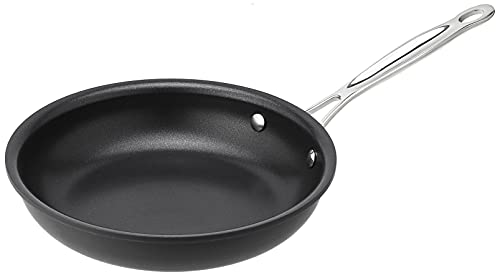
Hard anodized exterior for even heat distribution

MULTI-LAYER NON-STICK COATING: Scratch-resistant dual non-stick layers over dual primer coats bond to a heavy cast aluminum body. Food releases cleanly, cleanup is fast, and the surface outlasts single-coat pans. Wooden or silicone utensils only.

DISHWASHER SAFE and fully immersible in your sink for fast, easy clean-up upon removal of the temperature control unit. Thick cast aluminum body with Black lacquer finish resists rusting or warping for added resilience
Why Sous‑Vide Is the Fail‑Safe Method to Keep Chicken Tender
Some might think reheating chicken is a gamble, but sous‑vide removes that uncertainty. You set a consistent water bath just a few degrees below the original cook, hitting the ideal reheating temperature of about 140 °F (60 °C). This precise control stops the meat from overshooting, so it stays juicy and tender. The vacuum‑sealed bag locks in herbs, marinades, and moisture, preventing any drying during the brief soak. Because the protein has already broken down, a larger portion heats faster than the first cook, and nutrients stay intact. Proper storage involving refrigeration at consistent temperatures ensures your chicken remains safe before reheating. You can finish with a quick sear or a sauce without risking overcooking—just a safe, repeatable method that guarantees the same doneness every time. Smaller portions take about the same time to reheat as to cook.
Toaster‑Oven Hacks for Small Batches of Reheated Grilled Chicken
I’ll show you how to revive a few pieces of grilled chicken in a toaster‑oven without drying them out. First, preheat the oven to 250 °F and mist the chicken lightly with water. Arrange the pieces in a single layer on a baking tray, then cover tightly with foil to trap steam, which helps eliminating hot spots and preserving moisture. Set a 10‑minute timer; the foil creates a mini‑steam chamber that keeps the meat tender while the low temperature prevents over‑cooking. If you need faster results, bump the heat to 325 °F but limit the time to 5 minutes, still foil‑wrapped. After heating, expose briefly to restore crispiness, then let the chicken rest a minute before serving. Using a water bath method can also prevent the chicken from drying out. For enhanced flavor, consider brushing your reheated chicken with a butter sauce with garlic similar to techniques used in outdoor cooking to add moisture and taste.
Microwave Shortcuts That Actually Work for Reheated Grilled Chicken
When you need grilled chicken back on the table in minutes, the microwave can actually preserve its juiciness—if you set it up right. First, spread the pieces on a microwave‑safe plate, keeping larger cuts on the edges for even heating. Add a couple of tablespoons of water or broth, then drape a damp paper towel over everything; this creates a humid pocket for ideal moisture retention. Choose a reheat setting or lower power level to exercise microwave temperature control, then pulse the chicken in 20‑second bursts, flipping after each burst. For single portions, 10‑second increments work well. Stop when the internal temperature hits 165 °F, let it rest briefly, and you’ll enjoy a juicy, tender bite without rubbery edges. Covering the plate ensures steam stays trapped, further preventing the chicken from drying out. Just as resting the chicken after initial cooking allows juices to redistribute, giving your reheated chicken a few moments to rest will enhance its tenderness and flavor.
Moisture‑Preserving Tricks to Avoid Dry Reheated Grilled Chicken
How can you keep grilled chicken from turning into a dry, rubbery slab when you reheat it? Start by arranging pieces in a single layer with minimal gaps, then add a splash of chicken stock—less than an inch—to the pan or baking dish. Cover tightly with foil or a lid; this creates steam and acts as a moisture sealing method. Use low, evenly spaced temperatures: preheat the oven to 350 °F or set the stovetop to a gentle simmer. Heat until the internal temperature hits 165 °F, about 15‑20 minutes in the oven or a few minutes on the stove, turning occasionally. Finally, let the chicken rest five minutes under a loose foil tent so juices redistribute and the meat stays juicy. Consistent grill temperature helps prevent overcooking and maintains juiciness. Using a thermometer to monitor the internal temperature ensures your reheated chicken reaches the proper doneness without drying out.
Storing Grilled Chicken for Optimal Reheating Safety and Flavor
Even if you plan to enjoy grilled chicken later, storing it correctly is the first step to preserving both safety and flavor. Cool the meat within two hours, then place it in a shallow container and refrigerate at 40°F or below. Use a thermometer to keep your fridge between 36‑40°F; this precise control is essential for extending shelf life. For cut‑up pieces, aim for two days; whole birds last up to three. Wrap each portion tightly in foil or a moisture‑proof bag to block air and prevent freezer burn if you freeze within 48 hours. Label frozen packs with the date and store them at 0°F for up to a year. When transporting, keep the chicken in an insulated cooler with ice, never exceeding two hours at room temperature, and separate it from raw meats to avoid cross‑contamination. When you’re ready to reheat, use low temperature heating with moisture to maintain the chicken’s juiciness and prevent it from drying out. Avoid thawing fully cooked chicken.


