You should chill smoked beef, pork, or poultry within two hours (one hour if it’s hotter than 90 °F) and keep it at 40 °F (4 °C) or below; it stays safe for 3‑4 days. Smoked fish is more delicate—aim for 1‑2 days. Vacuum‑seal and freeze to stretch the shelf life to about three months, using airtight bags and thawing in the fridge. Spotting slime, off‑colors, or sour odors means it’s gone bad, and the next sections will show you how to maximize freshness.
Smoked Beef, Pork & Poultry: Refrigerator Shelf Life
How long can you keep smoked beef, pork, or poultry in the fridge? You have three to four days at 40 °F (4 °C) or below, per USDA. The clock starts when the meat cools and you refrigerate it, not when you finish smoking. Slice large cuts, seal them airtight, and label the date to stay within the limit. Smoked ham shelf life follows the same three‑to‑four‑day rule, while smoked sausage storage also caps at four days if kept cold and sealed. Poultry spoils faster than beef or pork, so watch for slime, off‑colors, or foul odor. If you need more than four days, freeze the meat; it will stay safe for three to six months. Remember that bacteria can survive the smoking process, so proper refrigeration is essential. For added safety, reheat leftovers to at least 165°F before eating to eliminate any potential pathogens.

Dishwasher Safe: Our stackable deli meat storage containers are dishwasher safe for effortless cleaning. Keep your lunch meat storage container for fridge spotless with a quick wash, saving you time and hassle

Airtight seal keeps food fresh: Keeps deli items like meats, cheeses, and bacon fresh longer with an airtight silicone seal and leak-resistant clasp. Perfect for keeping your kitchen neat and refrigerator organized.

CUSTOMER SUPPORT: Our team is dedicated to providing high-quality products and support for all users. If you have any questions regarding your purchase or product performance, we are available to assist with any inquiries to ensure a positive experience
Smoked Fish: Why It Only Lasts 1‑2 Days & How to Extend It?
Smoked fish barely survives a couple of days because cold‑smoking never fully cooks the flesh, leaving it vulnerable to bacterial growth and rapid fat oxidation. You’ll notice that fatty species like salmon oxidize within 3‑4 days at 4 °C, while leaner fish last a bit longer. To push the shelf life, follow strict quality testing procedures: inspect color, texture, and odor before each use. Store unopened portions in vacuum‑sealed packaging; the reduced oxygen slows rancidity and bacterial proliferation. Once opened, rewrap tightly in plastic, place in an airtight container, and keep the package in the back of the bottom shelf at 32‑38 °F. For longer storage, freeze in vacuum‑sealed bags for up to two months, then thaw in the fridge. Hot smoked salmon, which is pasteurized by higher heat, can extend freshness significantly compared to cold smoked varieties. Refrigeration is essential for maintaining the prime flavor and safety of smoked salmon.
The 2‑Hour Rule for Smoked Meat Shelf Life: Quick Refrigeration Tips
After noting how quickly smoked fish deteriorates, the same urgency applies to all smoked meats: you must get them into the fridge within two hours of cooking. If the ambient temperature exceeds 90 °F, shorten the window to one hour. Place the meat in shallow, airtight containers and slice large cuts to speed cooling. Keep the refrigerator at proper refrigeration temperatures—below 40 °F (4 °C)—to prevent bacterial multiplication in the danger zone (40 °F–140 °F). Label each package with the date; USDA food storage timelines allow 3‑4 days for smoked beef, pork, and poultry. For longer storage beyond a few days, freezing smoked meat in airtight packaging can extend shelf life up to several months. Reheat leftovers to 165 °F internal temperature before serving. Discard any meat left out longer than the rule, because reheating cannot destroy toxins. Intact meat can safely remain in the danger zone for up to two hours when the smoker temperature exceeds 180°F.

What's Included in the Package: you will receive 4 pieces of deli meat containers overall, enough quantities to allow you to place different food, or you can share them with your neighbors


Freezing Smoked Meat to Extend Shelf Life: Vacuum‑Seal Best Practices
Ever wonder how to lock in smoky flavor while adding months to its shelf life? Vacuum‑seal your smoked meat, then freeze at proper storage temperatures—0 °F (‑18 °C) or lower. This removes air, prevents freezer burn, and keeps texture and taste intact. Evidence shows vacuum‑sealed brisket or beef ribs survive up to six months, while most cooked smoked meats remain fresh for two to three months. Use high‑quality bags; they extend freshness fivefold. When you’re ready to eat, employ safe thawing techniques: place the sealed package in the refrigerator for about 24 hours until fully thawed. Refrigerator thawing preserves quality and limits bacterial growth, ensuring the smoked flavor stays as vivid as the day you sealed it. Freezing smoked meat for up to three months maximizes its shelf life. For optimal results, cool the cooked meat completely before freezing to prevent condensation and temperature fluctuations inside the freezer.

HEAVY DUTY AND PUNCTURE PREVENTION - 200 pack of 6 by 10 inch precut bags with embossed channels to increase suction, with a box for storage, keep fresh without freezer burn or dehydration

【BPA FREE】Bonsenkitchen vacuum food sealer roll bags can be microwaved, frozen, re-used, washed, boiled and dishwasher safe. Allows you to precisely control your cooking temperature to achieve perfect results. You can cook sous vide in Bonsenkitchen bags by placing them in water at any temperature up to 230°F/110°C
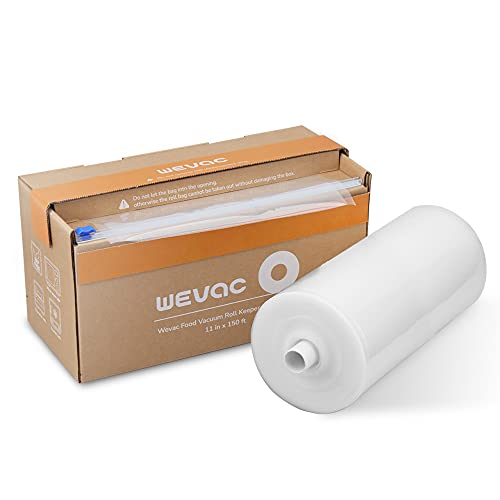
HEAVY DUTY AND PUNCTURE PREVENTION - 1 pack of 11 inch by 150 feet roll with embossed channels to increase suction, with a cutter box for cutting and storage, keep fresh without freezer burn or dehydration
Wrapping & Portioning Smoked Meat for Better Shelf Life
A few simple steps can dramatically extend your smoked meat’s shelf life. Use butcher paper for breathability, then seal with a burrito‑style wrap or aluminum foil to lock in moisture. For larger cuts, overlap multiple sheets and tuck sides tightly, employing the Texas crutch variation if you prefer juicier bark. After cooling, apply smoked meat portioning strategies: slice into small portions, place each in a shallow, tightly covered container, and minimize air exposure. Smaller pieces reduce oxygen, limiting bacterial growth to about four days in the fridge. Vacuum‑seal or wrap tightly with foil for extra protection. For even longer storage, consider freezing your portions, which can extend shelf life to several months. Consistently store at cool, dry temperatures away from sunlight to preserve quality and safety. Wrapping also prevents excessive smoke penetration.
How to Spot Spoilage on Smoked Meat?
Wondering whether your smoked meat is still safe? Check visual cues first: brown discoloration signals oxidation, while yellow or green hues indicate mold growth risks and demand immediate discard. A slimy sheen or yellowish slime confirms bacterial activity; any sticky pellicle beyond a light tack is suspect. Smell the piece—sour, egg‑like, or ammonia odors override the smoky aroma and signal spoilage. Texture should be firm; a slippery or excessively dry surface means degradation. Inspect packaging for cracks, tears, or broken seals; compromised barriers breach proper storage requirements and invite microbes. If you notice any of these signs, treat the meat as unsafe and discard it. This systematic approach prevents toxin exposure and cross‑contamination. Cross‑contamination can occur if spoiled meat contacts other foods or surfaces.
Smoking’s Preservative Effect on Smoked Meat Shelf Life
Spotting spoilage tells you a piece is already unsafe, but the real advantage of smoking lies in its preservative chemistry. The thin acidic film that smoke deposits on the surface blocks bacterial proliferation, effectively extending the curing process effectiveness beyond what salt alone achieves. You still must refrigerate within two hours and keep the temperature under 40 °F; otherwise the film’s protection wanes. Use airtight storage container materials—glass, high‑density polyethylene, or vacuum‑sealed bags—to limit oxygen and moisture, which accelerate spoilage. Evidence shows USDA‑approved shelf life for smoked meat is three to four days, yet proper cooling and container choice can stretch usability toward a week, and freezer storage up to six months without quality loss. This chemistry, not magic, underpins the preservative effect. Historically people would dig a pit and build a big fire, then place logs over the embers to smoke the meat for several hours. Achieving optimal results requires monitoring internal temperatures with a reliable thermometer to ensure the meat has been properly smoked throughout.
Smoked Meat Shelf‑Life FAQ
If you’re wondering how long your smoked meat stays safe, the key is temperature and packaging. Store it at 40 °F (4 °C) or below, and keep ideal refrigeration humidity low to slow bacterial growth. Follow the 2‑hour rule; refrigerate within two hours of cooking. Smoked pork, beef, and lamb last three to four days; poultry, three days; fish, one to two days. Use airtight containers, slice large cuts for faster cooling, and label dates. For longer storage, freeze in vacuum‑sealed bags—cooked meat lasts two to six months, but quality drops after six. Proper drying methods, like dehydration, can extend ambient life if humidity stays controlled, yet any temperature inconsistency forces rapid spoilage. Discard if slimy, discolored, or foul‑smelling. Smoking also reduces water content, which can further extend shelf life. To maintain your smoker’s cleanliness and ensure it continues to properly smoke meat, deep clean your electric smoker regularly to remove carbon buildup and grease that can affect flavor.