Smoke a 20‑lb turkey for about 10–12 hours at 225 °F, 8–10 hours at 250 °F, 8–9 hours at 275 °F, or 4–5 hours at 325 °F with a final high‑heat finish. Keep the oven within ±5 °F of the target temperature and use a V‑rack to promote even airflow. Check that the thickest part of the breast reaches 165 °F and the thigh 175 °F before pulling it off the smoker. If you want precise timing adjustments, altitude tips, and skin‑crisping tricks, the next section has you covered.
How Long to Smoke a 20 Lb Turkey at 225 °F (10‑12 H)
Wondering exactly how long a 20‑lb turkey will need at 225 °F? You’ll allocate 30‑35 minutes per pound, which translates to a 10‑12 hour window for a 20‑lb bird. Begin with a brining duration of 12‑18 hours to lock in moisture, then rinse and pat dry before loading the smoker. Set the smoking temperature range to a steady 225 °F, using a calibrated thermometer to avoid drift. Position the turkey on a rack above a drip pan, ensuring even airflow. Monitor internal thigh temperature; pull the bird when it reaches 170 °F, allowing a 5‑7 °F carry‑over to hit the 175 °F thigh target. Check breast at 165 °F for safety. Keep the lid closed, resist opening, and maintain the 225 °F setpoint throughout. For optimal moisture retention, use a dry rub that includes salt, and consider basting with apple juice to enhance juiciness throughout the smoking process.
How Long to Smoke a 20 Lb Turkey at 250 °F (8‑10 H)
A 20‑lb turkey will need roughly 10 hours at 250 °F, calculated as 30 minutes per pound (20 × 30 min = 600 min). Set your smoker to a stable 250 °F, verify with a calibrated probe, and keep the temperature within ±5 °F to guarantee smoker temperature consistency. Place the bird on the rack, skin side up, and add a water pan to stabilize humidity. Use smoke management techniques: start with a thick layer of cherry wood chunks, then switch to lighter chips after the first two hours to avoid overpowering flavor. Monitor internal temperature; the turkey is done when the thickest part reaches 165 °F. For optimal results, raise the temperature near the end to crisp the skin. Rest the bird 20‑30 minutes under foil before carving. Brining can help keep the meat moist during the long cook.
How Long to Smoke a 20 Lb Turkey at 275 °F (8‑9 H) + Real‑Time Tips
At 275 °F the cooking window shrinks to about 8‑9 hours, calculated as 25 minutes per pound (20 lb × 25 min = 500 min). You’ll pat the skin dry after the turkey brine composition, then let the bird rest 15‑60 minutes at room temperature. Place celery, onion, apple, and garlic in the cavity, tie legs, tuck wings, and rub butter under the skin. Preheat the smoker to 275 °F with pecan pellets, add a water drip pan, and center the turkey for uniform airflow. Monitor internal temperature: breast 159‑160 °F, thigh 170 °F, dark meat 175 °F. Check wings at 1 h 46 m, legs at 2 h 21 m, breast at 2 h 49 m. Rest 20‑30 minutes; carry‑over brings breast to 165 °F. Use precise smoke absorption techniques to guarantee consistent flavor throughout the 8‑9‑hour window, similar to how smoking at lower temperatures like 225 °F with simple seasoning rubs produces optimal results. Use a full bottle of bird brine to achieve optimal moisture retention.

100% Pecan Shell Pellets - Pellets For BBQ Smoker
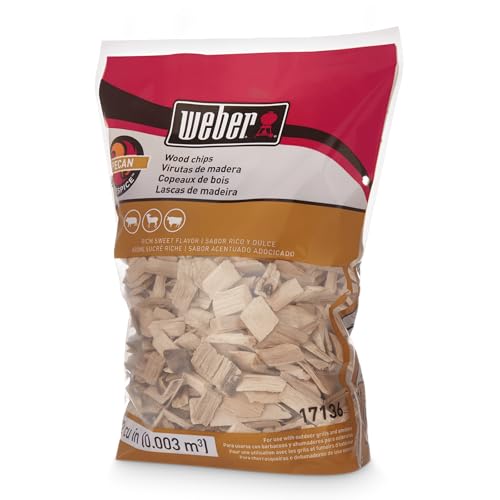
Pecan wood chips

Pecan wood chunks
How to Finish Smoking a 20 Lb Turkey at 325 °F (4‑5 H) for Crispy Skin
Four to five hours at 325 °F will finish a 20‑lb turkey while giving the skin a crisp, golden finish. Begin by preheating the smoker to 325 °F indirect, water pan in place, and let the bird rest at room temperature for 30‑60 minutes. Pat the skin dry, then insert a probe thermometer into the thickest breast for internal temperature monitoring. Smoke for 13‑15 minutes per pound; a brined bird may shave 10‑15 % off the time, landing around 4.0‑4.5 hours total. When the breast reads 155‑160 °F and thighs 170‑175 °F, raise the heat to 325‑350 °F for high heat skin crisping. Keep the probe in until the skin darkens, then rest 15‑30 minutes before carving. Use a dry brine for added moisture and flavor. Using fruitwoods for smoke will enhance the overall flavor profile of your smoked turkey.

FOOD SAFETY: Thermometer displays true oven temperature instantly to ensure safe food preparation

Longer Range 650 ft: The built-in best-in-class Bluetooth chip empowers this Bluetooth thermometer a longer range of up to 650 ft, a stronger signal and more stable connection to the smart App; so you'll never lost contact with your food no matter where in your house or yard

BBQ / Grill pit thermometer, safe and environmentally friendly.
How to Monitor Breast & Thigh Temperatures When Smoking
Ever wonder exactly when to pull a 20‑lb turkey from the smoker? Start with a strict thermometer calibration process: submerge the probe in a 50/50 ice‑water slush, wait five minutes, and confirm a steady 32°F reading. Adjust if needed before you begin. Insert the probe for proper probe placement—push it into the thickest part of the breast from the side, avoiding bone, and into the innermost thigh portion without touching bone or pan. Set a high‑temp alarm at 157°F for the breast; pull when it hits that mark to keep moisture. Monitor the thigh until it reaches 180°F for tenderness, ensuring it’s at least 165°F when the breast alarm triggers. Use an oven‑proof or wireless probe to track both temperatures continuously, as maintaining consistent smoker temperature is essential for achieving juicy results. Brining helps protect the outer meat from drying out during the long smoke.
How to Rest a Smoked 20 Lb Turkey Properly (15‑20 Min)
Once the thermometer shows 157 °F in the breast and 180 °F in the thigh, pull the turkey and let it rest for 15‑20 minutes. Transfer the bird to a clean platter, cover loosely with foil, and, if you’re ending early, wrap in towels for insulation. During the proper turkey resting duration, perform temperature checks during resting every five minutes; the breast should climb from 160 °F to 165 °F, while the thigh stays near 175 °F. Keep the environment draft‑free and avoid tight wrapping to preserve skin crispness. After the 15‑20 minute interval, verify the lowest reading exceeds 165 °F before carving. For the most reliable results, choose a thermometer with quick response time to minimize delays between measurements. This method guarantees juice redistribution, carryover cooking, and food‑safety compliance. Use a meat thermometer to ensure accurate temperature readings.
How Altitude Affects Smoking a 20 Lb Turkey – Add Time Above 5K Ft
When you smoke a 20 lb turkey above 5,000 ft, you must add roughly 25 % to the sea‑level cooking time—about 2½–3 hours at a 225 °F smoker—because thinner air reduces heat transfer and slows internal temperature rise. At 225 °F, expect 40–45 min per pound instead of 30–35 min, so a 20‑lb bird needs 14 hours total. Raise the smoker to 250 °F if you want to keep the time closer to 12 hours, but keep the target internal temps at 165 °F (breast) and 175 °F (thigh). Test airflow techniques like a V‑rack to cut the altitude penalty by up to 15 %. Monitor cooking time closely, checking the probe hourly to stay under the 4‑hour danger zone and avoid bacterial growth. Using a digital meat thermometer inserted in the thickest part of the breast ensures you catch the exact moment your turkey reaches safe internal temperatures. Do not stuff the turkey to ensure even cooking and reduce the risk of under‑cooked spots.
Spatchcock vs. Whole Bird: Which Lets You Smoke a 20 Lb Turkey Faster?
If you want to shave hours off the smoke, spatchcocking a 20‑lb turkey beats cooking it whole. At 250 °F, spatchcock time is 11–13 min / lb, giving a 20‑lb bird 3.75–6.5 h total; a whole bird at the same temp scales to 10–12+ h. The flattened shape eliminates cavity heat lag, cutting 45–60 min on an offset smoker and 30–60 min on a pellet grill. Heat penetrates uniformly, so breast and thigh reach target 157 °F simultaneously, avoiding overcooked spots. You’ll see faster crispy skin development because the surface area is exposed evenly, while moisture retention remains comparable—spatchcock may dry slightly more, but even cooking preserves juiciness. Choose spatchcock for speed without sacrificing texture. The dry brine also enhances flavor and helps the skin crisp up.

【SAFE BBQ ACCESSORIES】Our marinade injector needles、connector and plunger rod are made of high-quality stainless steel. Syringe barrel is made of plastic. which can be directly in contact with seasonings and food. It will last a long time.

UNBREAKABLE STAINLESS STEEL - Our meat injectors for smoking and grilling are unlike any tool on the market. We’ve built our products with the highest grade 304-stainless steel, corrosion-resistant, and easy to clean. Deliver flavor deep beyond the upper surface; Say goodbye to dry, boring cuts and take your bbq, turkey and brisket injection game to the next level; For people who care about mouthwatering meat, Grillin Pros meat injector syringe kit is the obvious solution.

Tell those dry turkeys to stuff it, this year your bird is getting juiced. Our all-in-one Tipsy Tom Turkey Brine Kit is your ultimate helper for a Thanksgiving turkey you'll be thankful as cluck for.
Common Mistakes When Smoking a 20 Lb Turkey & How to Fix Them
You’ll quickly run into trouble if you let the smoker linger at 225‑250 °F, skip the brine, or neglect proper skin prep—each of these missteps drives up cooking time, dries the meat, and prevents the skin from crisping. Keep the smoker at 300‑350 °F (or 275 °F for charcoal) to render fat and shorten the 5‑hour cook window, then finish at 375 °F for crisp skin. Use a wet brine for 24 hours, submerge fully, then refrigerate overnight to dry the skin; consider brining technique variations like injection for faster moisture uptake. Pat the bird dry, air‑chill, and apply butter under the skin for flavor and crispness. Monitor safe minimum internal temperatures: 150 °F in the breast before basting, 165 °F in thigh and breast before rest, and hold 160 °F final. Rest 30 minutes in a tray to redistribute juices. Aim for 1.5 pounds per person to ensure enough meat for all guests.


