Pick a 20‑lb heritage turkey (Bourbon Red, Midget White, etc.) and brine it 12‑18 hours in 8 qt water with 1 cup + 1 tsp kosher salt, 1/3 cup brown sugar, 1/2 cup molasses, and ½ tsp garlic salt. Spatchcock, separate the skin, and spread a butter‑herb rub under it, then stuff the cavity with aromatics. Smoke at 225‑250 °F, raising to 300 °F when the breast hits 140 °F, using oak‑apple pellets and a drip pan. Pull the bird when the breast reaches 160 °F and the thigh 175 °F, wrap in foil, rest 20‑75 minutes, then carve to reveal the pink smoke ring. Continue for deeper details on temperature control and troubleshooting.
Pick the Right Turkey & Brine for Maximum Juiciness
When you choose a turkey, prioritize heritage breeds—Chocolate, Midget White, Narragansett, White Holland, Bourbon Red, Royal Palm, or Standard Bronze—because they forage well, resist disease, and develop superior flavor; among them, Bourbon Red consistently tops blind taste tests for its natural, organic profile. For heritage breed selection, aim for a 20‑lb bird that dresses out evenly and retains moisture. In a commercial breed comparison, Broadbreasted Bronze and Giant White exceed 40 lb but require artificial insemination and sacrifice flavor for yield. Prepare a brine of 8 quarts water, 1 cup + 1 tsp kosher salt, 1/3 cup brown sugar, ½ cup molasses, and ½ tsp garlic salt. Submerge the turkey for 12–18 hours, rinse, pat dry, then smoke at 275 °F for roughly 2 hours per 8‑lb breast. To maintain optimal results, monitor your turkey’s internal temperature with a thermometer rather than relying solely on time. This protocol maximizes juiciness while preserving the distinctive taste of heritage birds. Heritage breeds also adapt well to pasture environments, reducing the need for intensive hand‑feeding.
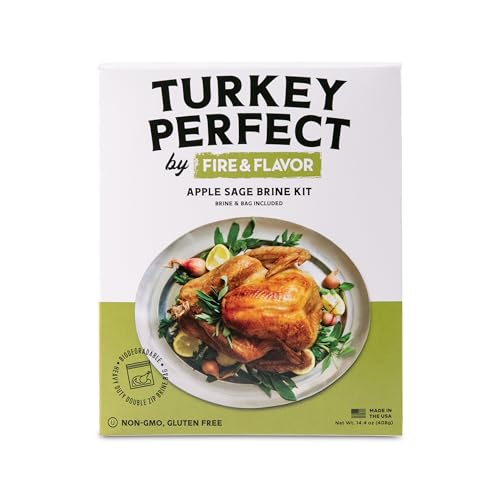
MAKE YOUR BEST TURKEY: In 5 simple steps, you'll have your best-tasting turkey ever. The brine ensures excellent flavor, and the bag keeps your turkey moist and tender. Our kit is gluten-free, non-GMO, and kosher.

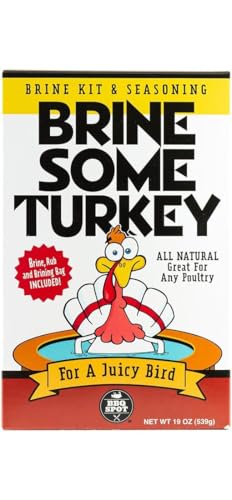
Brine mix helps retain moisture during cooking
Spatchcock, Butter‑Herb Rub & Stuff the Bird
After brining, remove the turkey, pat it dry, and immediately spatchcock it: cut out the backbone with heavy‑duty shears, flip the bird breast‑side up, and press the breastbone until it cracks and flattens. Flip the bird breast‑side up, press firmly until you hear a crack, and splay the legs outward. Snip 1–2 inches down the breastbone for easier flattening, then separate the skin from the meat to expose a well‑seasoned surface. Melt butter, infuse with rosemary, cool, and brush the herb‑butter over the evenly flattened bird. Sprinkle 1.5 Tbsp kosher salt, then pepper, and slide a compound butter layer under the skin. Lightly stuff the cavity with aromatics, avoiding overstuffing, and tuck wing tips under the breast. Arrange the bird on a rack over chopped vegetables, ready for smoking. Let the prepared turkey rest for 10 to 15 minutes before placing it in the smoker to allow the seasonings to set and redistribute throughout the meat. This method also helps the turkey cook more evenly and quickly.
Configure Smoker Temp, Wood & Drip Pan
What temperature you set the smoker, which wood you choose, and how you arrange the drip pan will dictate the turkey’s moisture, flavor, and skin crispness. Set the smoker to 225 °F for the first half, then raise to 300 °F once the breast hits 140 °F; finally push to 400 °F for the last 15 minutes to crisp the skin. For wood type selection, blend oak and apple pellets or use hickory‑pecan chunks; keep the fire at 225‑300 °F to maintain thin blue smoke without over‑darkening. Design the drip pan with a large foil tray placed directly under the breast‑side‑up bird, ensuring it catches all drippings for gravy and prevents flare‑ups. Position the turkey on indirect grates, clip the probe, and keep vents at 25 % open for steady heat. This configuration balances juiciness, smoky depth, and skin texture. Spatchcocking the turkey improves cooking efficiency and promotes even cooking. Use a meat thermometer to verify the thickest part of the breast reaches 165°F and the thigh reaches 180°F for food safety.
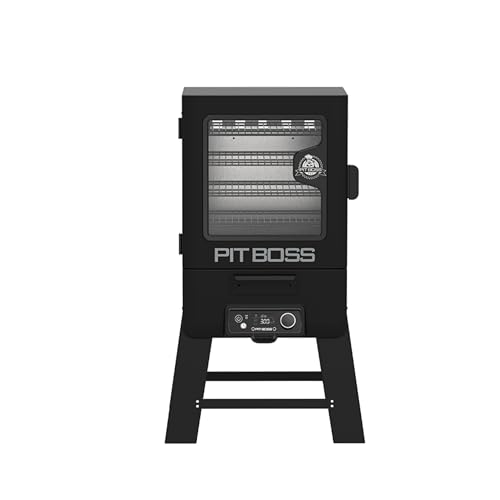
THE CLEAN FINISH: Barbecue grill features an easy-access grease tray that contains runoff and drippings


Smoke the Turkey to Target Temperatures
Your smoker’s temperature and wood choice set the stage, now focus on the turkey’s internal heat. Set the smoker between 225°F and 250°F to achieve consistent smoke temperature and to maintain ideal smoking duration. Insert a leave‑in probe into the deepest breast tissue, avoiding bone, and a second probe into the thigh near the bone. Monitor the breast until it reaches 160°F; the carry‑over will bring it to the USDA‑required 165°F during the 20‑30‑minute rest. Allow the thigh to climb to 175°F before pulling. For a 12‑pound bird, expect 6‑8 hours at this range; adjust upward to 275‑300°F for a 3‑4 hour window, but never drop below 225°F. Keep the lid closed, relying on wireless alerts to prevent temperature spikes. Brining the turkey for up to 48 hours before smoking helps retain moisture and enhance flavor. Meat thermometer is essential for verifying internal temperature because color alone is not a reliable indicator of doneness.

Truly Wireless Food & Meat Thermometer: 100% wire-free, the MEATER Plus gives you complete flexibility and freedom in your cooking. Monitor everything from steak and chicken to turkey and roasts with precision, all guided through the MEATER app.

【Easier to Use】Equipped with 2 meat probes, this BBQ thermometer for grill allows you to monitor separate meats or the grill temperature simultaneously, a real comfort in grilling several pork loins for large groups with different tastes

Never Overcook Again – Dual temperature sensors monitor both internal meat temp (up to 212°F) and ambient temp (up to 527°F) simultaneously. The guided cook system walks you through every step with real-time notifications, so your steak comes out perfect every single time.
Monitor Breast and Thigh Temperatures & Pull at 160°F/175°F
Set your probes correctly and let the alarms do the work: place a leave‑in sensor in the deepest breast tissue, avoiding bone, and a second sensor near the thigh bone, then program a high‑temp alarm for 157 °F on the breast channel and a 175 °F alarm for the thigh. As the smoker climbs to 270 °F, the probes will track temperature trends in real time. When the breast alarm hits 157 °F, verify the lowest point with a handheld probe; this pull temperature guarantees juiciness and a safe 165 °F after carry‑over. The thigh alarm at 175 °F signals the moment to pull the bird, letting the innermost thigh reach the USDA‑required 165 °F during rest. Maintain consistent smoker heat between 225‑275 °F to minimize gradients and keep the danger zone exposure under four hours. Lower temperatures around 250 °F can extend your smoke time and enhance smoke flavor for more complex taste development. Brining adds a moisture‑protective layer that helps prevent the outer breast from drying out before the center reaches target temperature.
Let the Turkey Rest, Then Carve the Smoke Ring
Ever wonder how a brief rest transforms a smoked turkey from safe to spectacular? After removing the bird, wrap it tightly in foil and place it on a platter. Let it sit for a minimum of 20 minutes; you can extend the rest duration to 60–75 minutes by moving the foil‑wrapped turkey into a cooler with towels. During this period, carryover temperature effects raise the breast from about 160 °F to the guaranteed 165 °F, completing cooking without additional heat. The foil preserves moisture and protects the delicate smoke ring. When the rest ends, carve the breast with a smooth, downward stroke, slicing just deep enough to showcase the pink ring. This timing ascertains juicy slices and visible smoke‑flavor bands. Using a meat thermometer throughout the smoking process ensures you achieve the proper internal temperature before the resting period begins. Cool water helps keep the turkey at a safe temperature while it rests.
Troubleshoot Common Smoked Turkey Issues
After the turkey has rested and the smoke ring is visible, the next step is to identify and correct the most common problems that arise during smoking. If the breast dries out, reduce oven temperature to 225‑250°F, brine 3‑6 hours, and pull at 157°F to prevent over‑cooking. For rubbery skin, increase to 275‑350°F, air‑dry overnight, and avoid foil that traps steam. Uneven cooking stems from a whole bird; spatchcock to flatten, empty the cavity, and keep thigh temps at 175‑183°F while breast stays 165‑170°F. Harsh smoke flavor occurs when you maintain consistent smoke too long; use “Super Smoke” for the first 2‑3 hours, then raise heat. A butterflied turkey can help reduce overall cook time due to increased surface area and more even heat exposure. Finally, follow food‑safety protocols: rinse, air‑dry, and keep raw tools separate. Large turkeys often cook unevenly, so consider using two smaller birds instead of one huge bird.