At 225 °F, a 10‑lb brisket needs about 30‑60 minutes per pound, so expect roughly 7.5 tohours of smoking, plus a 1‑hour rest for a total of 11‑13 hours from start to slice. Keep the temperature steady to avoid prolonging the stall around 150‑170 °F, and consider wrapping at 170 °F to push through it. If you raise the heat to 240‑250 °F, the clock shortens but bark development changes. The next sections walk you through temperature tweaks, stall management, and ideal resting.
How Long Does It Take to Smoke a 10‑lb Brisket?
How long does it take to smoke a 10‑lb brisket? You’ll need roughly 10‑12 hours at a steady 225 °F, plus a 1‑hour rest, for a total of 11‑13 hours. If you start at 225 °F and maintain a consistent temperature, the meat reaches the stall around 145‑165 °F after about 8 hours, then finishes at 190‑205 °F internal. Choose a fuel that burns evenly—hard wood or charcoal with a steady airflow—to avoid temperature spikes that prolong the stall. Proper fuel selection also supports moisture retention; a clean burn reduces excess smoke that can dry the surface, while a modest water pan adds humidity, preserving juiciness throughout the low‑and‑slow cycle. Monitoring the internal temperature with a reliable thermometer ensures you catch the plateau phase and know when the brisket has reached optimal tenderness. Adjust weight‑based estimates only if you trim the brisket considerably. Trimming the fat cap to 1/4‑1/8 inch helps the bark develop and improves smoke penetration.
Calculate Cook Time: 30‑60 min / lb at 225 °F
You’ve already seen that a 10‑lb brisket typically needs about 10‑12 hours at 225 °F, plus a rest, so the next step is to translate the 30‑60 minutes‑per‑pound rule into a concrete schedule. At 225 °F you calculate a range: 30 min × 10 lb = 5 hours, 60 min × 10 lb = 10 hours. Most pitmasters aim for the midpoint, about 45 min per pound, giving a 7½‑hour smoke. Adjust for meat moisture content—higher moisture slows heat transfer, nudging you toward the upper bound. Factor smoker efficiency: a well‑insulated unit holds temperature steady, keeping you near the lower end; a leaky smoker adds 10‑15 % time. Plan a 1‑hour rest after the smoke, then verify internal temperature of 200‑205 °F before slicing. During the cooking process, your brisket may hit a temperature stall around 150–160°F where progress slows due to moisture evaporation. Consider the fat‑cap placement, as keeping it up can help render fat into the meat.

Large Display: Features a 2 3/8 inches large face for clear visibility; Stem length of 2 7/8 inches enhances accessibility; Enables easy classification of food temperatures in various cooking environments

【2-Pack Value Set + Large Easy-Read Display】Comes with 2 grill thermometers, each featuring a 2 3/8" oversized dial and 2 7/8" stem length—clear numbering ensures quick temperature reading, even from a distance, and the long stem enhances accessibility in various cooking environments.

BBQ Temperature Gauge features a large 2.83'' L x 1.4'' W dial glass face, making it easy to read and classify the temperature of your food. Smoker temperature gauge measure temperature from 200℉ to 700℉, you should easily accommodate your preferred doneness level, don't worry about missing the exact time to take meat off the grill
Adjust Temperature: 240 °F & 250 °F Impact on Clock
A 240°F smoker will extend the cook by roughly 15‑20 % compared to the classic 225°F schedule, pushing a 10‑lb brisket toward the upper end of the 8.5‑12‑hour window, while a 250°F chamber shaves that range down to about 8‑10 hours, effectively halving the low‑and‑slow duration. At 240°F you’ll still develop a deep smoked bark appearance, but the slower rise gives you more leeway for internal moisture control through timely spritzes and a foil wrap after three hours. Raising the dial to 250°F accelerates bark formation within the first three to four hours, then you must foil or butcher‑paper wrap at 170°F internal to preserve moisture. Both temperatures target 200‑205°F final internal, so monitor a probe closely and adjust spritz frequency to keep the bark crisp yet juicy. Using a whole packer brisket ensures the point and flat cook evenly at these temperatures. Remember that resting the brisket for 1 to 4 hours after cooking allows the connective tissues to break down fully for optimal tenderness.
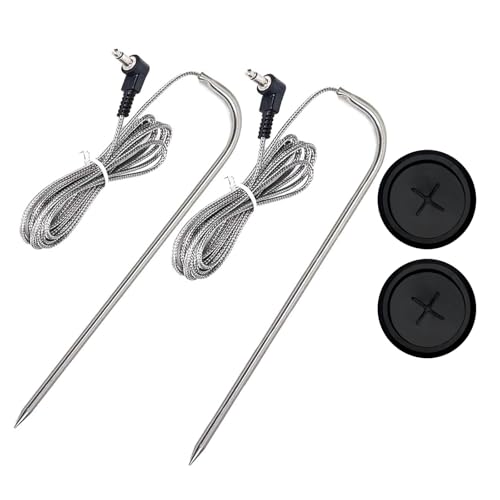
REPLACEMENT PIT BOSS MEAT PROBE : Temperature probe replacement compatible with PIT BOSS pellet grills and pellet smokers with digital control probe capability. NOTE: meat probes are NOT FIT for MASTERBUILT, CAMP CHEF, CHAR GRILL etc all series smokers

Wide Compatibility: This grill ambient probe works with Traeger Pellet Grills (except PTG) and Z-Grill. Replace old RTD probes seamlessly to maintain grill efficiency.
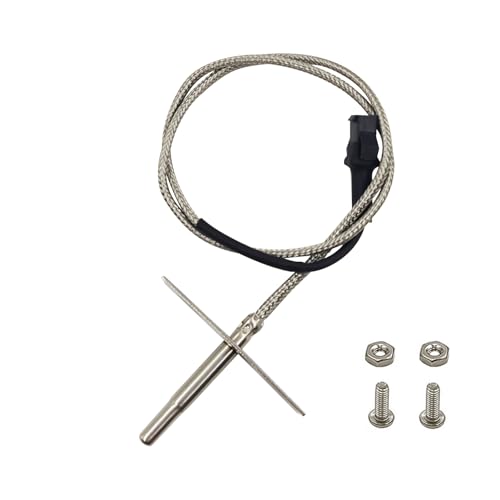
COMPATIBILITY: This grill temperature sensor fits for Pit Boss Vertical Pellet Smoker 3-Series, 4-Series, 5-Series and 7-Series, Sportsman Portable, Copper Top Portable, Pro Series Il 4 Series, Sportsman 7-Series Vertical Smoker
Manage the Stall: Why & When It Slows Down
After you’ve set the smoker to 240 °F or 250 °F, the internal temperature of a 10‑lb brisket will eventually hit the stall—typically around 150 °F to 170 °F—where it pauses despite the heat you’re feeding it. The stall occurs because evaporative cooling balances the smoker’s heat input; moisture released from the meat’s pores absorbs energy, creating a cooling layer that mirrors sweat on skin. This moisture retention effects slow the rise, while evaporation rate impacts dictate how long the plateau lasts. Simultaneously, collagen breakdown diverts thermal energy to dissolve connective tissue, extending the slowdown. Airflow, humidity, and smoker design modulate these dynamics: high humidity prolongs the stall, whereas increased convection accelerates evaporation, allowing the temperature to climb once surface moisture depletes. The evaporative cooling effect is amplified when the brisket’s surface moisture content is high, further reinforcing the temperature pause. Wrapping your brisket in butcher paper during the cook can help you push through the stall by reducing surface evaporation and maintaining heat penetration.

Enhance your smoking meat adventure with our 24-inch wide roll of butcher paper specially crafted to entrap the flavorful smoke, while simultaneously ensuring the release of steam for a superior taste experience

【PREMIUM NATURAL QUALITY】Made from premium virgin pulp, our butcher paper is unwaxed, uncoated, and unbleached for a natural and pure product. Ideal for grill masters seeking top-notch, food-safe paper to enhance their culinary creations.

Designed specifically for the culinary enthusiast, our 18 paper roll dispenser is optimally crafted to handle barbecue butcher paper, thereby ensuring the authentic taste of your smoked meats is maintained. This is your ideal bbq wrapping paper for smoking
Wrap the Brisket: Paper vs. Foil Timing
When should you wrap a 10‑lb brisket to balance speed and flavor? Hit 165‑170°F internal temperature, then seal it. At 170°F you’ve allowed enough smoke to form a solid bark while the smoker holds a steady 225°F, preserving temp consistency. Use two layers of pink butcher paper if you want airflow and continued smoke penetration; the paper’s porous nature lets moisture evaporate slightly, keeping the bark drier and enhancing heat transfer. Switch to aluminum foil for a faster cook; foil locks in moisture, eliminates the stall, and gives maximum control over bark appearance, but it blocks further smoke, slightly muting flavor. Choose paper for richer smoke depth, foil for speed and moisture retention. Wrapping the brisket can speed up the cooking process by preventing the stall. A reliable meat thermometer throughout the wrapping and cooking stages ensures you achieve the optimal internal temperature between 195°F and 205°F for consistently successful results.
Rest the Brisket: Minimum 1‑Hour, Ideal 3‑4 Hours
Once the bark has set and you’ve sealed the meat, let the brisket rest. A minimum one‑hour rest is non‑negotiable; it allows initial cooling, moisture redistribution, and pressure equalization, preventing juice runoff when you slice. For ideal tenderness, aim for an extended rest time of three to four hours. Wrap the brisket tightly in butcher paper or foil, then place it in an insulated cooler with towels or a low‑temp oven. This method maintains safe temperatures while preserving carryover cooking, which continues to break down the meat’s fibers even after removal from heat. If you have space, a refrigerator rest can be used for longer holds, but monitor temperature to stay below the danger zone. The extra hours break down connective tissue, yielding a juicier, slice‑ready product. Resting for at least one hour ensures the meat retains its moisture.
12‑18‑Hour Timeline From Trim to Slice
A solid 18‑hour window—from trimming the brisket to slicing the final product—covers every critical step without waste. You start with a 30‑minute trim, cutting the fat cap to a quarter‑inch, discarding hard fat and silver skin, then binding the surface with tallow before Seasoning application of a brisket rub. Smoke the meat fat‑side up at 225 °F for 6‑8 hours, spritz hour after creating water‑vinegar mix, and watch the stall around 150‑170 °F. At 165 °F, wrap in butcher paper (or foil with broth) and raise the smoker to 250 °F. Continue wrapped cooking 3‑6 hours until internal temperature hits 200‑205 °F, then rest 1‑4 hours before slicing. Maintain consistent indirect heat with a water pan to ensure temperature stability throughout the cooking process. This timeline maximizes Smoke flavor impact while preserving bark texture. Lane’s “Itsa Vinegar” Sauce adds a tangy boost during the spritz.