You’ll need about 1 hour 15 minutes per pound at 250 °F, plus a 3‑hour unwrapped phase and a final 4‑5 hour finish after wrapping, to bring a 5‑lb brisket flat to the ideal 190‑205 °F internal temperature. Start at 225 °F for 30 minutes, hold at 250 °F for another 30 minutes, then ramp to 275 °F for the rest of the cook. Wrap when the internal hits 160‑170 °F, using foil or butcher paper to control bark and moisture. The next sections break down temperature ramps, wrapping tricks, and resting tips for perfect results.
Quick‑Start Timeline for Smoking a Brisket Flat
How long will it take to get a perfect brisket flat from start to finish? You start by letting the meat sit an hour at room temperature, then trim and half‑wrap it in foil to catch drippings. While the brisket tempers, preheat the smoker and place the flat fat‑side up with a probe in the thickest part. After 15‑30 minutes of seasoning, smoke until the internal temperature hits 160‑170 °F—roughly 3 hours for a 5 lb piece, longer for larger cuts. During this phase, you may encounter the stall, a plateau in temperature rise caused by moisture evaporation. Wrap tightly with heavy‑duty foil or butcher paper, adding a cup of beef broth, and continue smoking to 195‑205 °F, which usually takes another 4‑6 hours. Rest the wrapped brisket 1‑2 hours in a cooler, then slice against the grain. Ideal size selection drives timing, while each phase refines flavor profile development. The thin, uniform thickness of the brisket flat enables better thermal control throughout the smoking process.
Choosing the Ideal Smoking Temperature (225‑275 °F)
Choosing the right smoking temperature for a brisket flat hinges on balancing smoke flavor, bark development, and moisture retention. At 225 °F you’ll get deep smoke penetration and a classic ring, but the long cook risks drying a lean flat and invites a stall, so you must monitor fire and consider wrapping early. Raising to 250 °F offers a middle ground: bark forms while moisture stays in, and most offset smokers preheat to this point before you place the meat fat‑side up. Pushing to 275 °F accelerates rendering, reduces stall, and prevents excess dryness on thin cuts, especially when you finish with a final push after wrapping. Your fuel type selection—pellet, charcoal, or wood—dictates how quickly you can hit target temps, while smoker configuration adjustments such as vent placement and water pan size fine‑tune airflow and humidity for consistent results. The stall phase, where the brisket’s internal temperature plateaus during cooking, requires careful thermometer monitoring to push through successfully. Using a Certified Angus brisket flat ensures top‑tier marbling for tenderness.
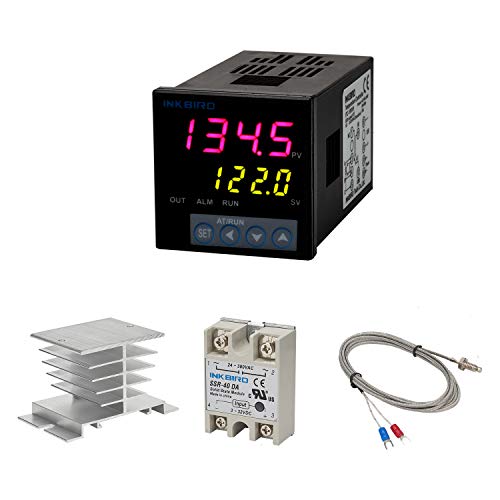
Alarm Output: With 1 alarm relay output, AC250 V, 3 A (Resistive load), ON or NC, you can wire a buzzer

【Replacement】This electric smoker high-temperature limiter kit is a compatible replacement part number for 9907140015. It ensures a seamless substitution, allowing you to maintain the optimal performance of your smoker without any hassle.
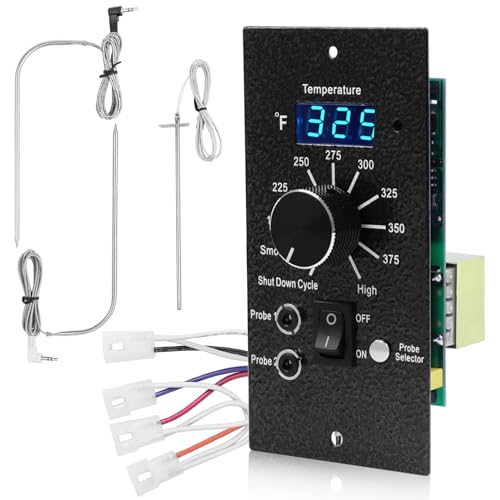
【COMPATIBILITY】: This Traeger Digital Controller kit replacement part compatible with most Traeger Wood Pellet Grills (except PTG), ideal replacement for Traeger Controller BAC365.
Temperature Ramp Schedule: 225 °F → 250 °F → 275 °F
Starting at 225 °F for the first 30 minutes lets the flat ease into heat, preventing a shock that would cause sweating and hinder bark formation. You hold that range for a full half‑hour, letting smoke penetrate while the meat stays moist. Then you execute a gradual ramp up to 250 °F, keeping the pit alarm low and the fire steady; another 30 minutes at this temperature builds a solid bark and preserves temperature consistency. After the 250 °F stage, you let the heat creep to 275 °F, maintaining it for the remainder of the cook. This final plateau renders fat efficiently, shortens overall time, and keeps the flat tender without the drying effects of a constant low‑and‑slow approach. The flat’s low intramuscular marbling means the temperature ramp is crucial for moisture retention. Remember that internal temperature rather than cook time is the best gauge of doneness, so monitor your flat’s progress toward the target range of 195–205 °F for optimal tenderness.
Key Internal Temperatures When Smoking a Brisket Flat
A typical brisket flat hits the stall around 160 °F, so set your meat probe alarm there and watch for the internal temperature to linger between 155 °F and 165 °F before deciding whether to wrap. During Smoke profile monitoring, keep the probe steady; you’ll see the stall settle near 160 °F, then climb past 165 °F as the bark forms. Pre smoke brisket prep includes seasoning and letting the flat rest at room temperature, which stabilizes the initial rise. Aim for 165‑170 °F unwrapped to develop color and bark, then wrap at 170 °F if you prefer butcher paper, or let it continue to 200‑205 °F after wrapping for Texas‑style tenderness. Pull when the probe slides easily at 195‑205 °F for ideal juiciness. Smoking at 250°F balances efficiency with the low-and-slow approach, typically requiring 30 to 40 minutes per pound while still achieving the rendered fat and tender texture that makes smoked brisket flats so desirable.
Wrapping the Brisket Flat: Foil vs. Butcher Paper & Timing
Two main wraps dominate the brisket‑flat game: foil, the Texas crutch, and butcher paper, the Franklin method. You wrap when the internal temperature hits 160‑170 °F or when a decent bark has formed. Foil seals tightly, locking in moisture and speeding the stall, but the steam softens bark quality. Butcher paper lets smoke breathe, preserving bark while still boosting moisture retention and cutting cooking time. For a hybrid, cover the bottom and sides with foil, leaving the top exposed to keep bark crisp. Add a splash of beef broth inside any wrap to enhance juiciness. After wrapping, reset your high‑temp alarm to 200‑203 °F and monitor until the brisket reaches doneness. The fat cap renders more efficiently when the brisket is wrapped in a foil boat, exposing it to higher temperatures for a longer period.

【PREMIUM NATURAL QUALITY】Made from premium virgin pulp, our butcher paper is unwaxed, uncoated, and unbleached for a natural and pure product. Ideal for grill masters seeking top-notch, food-safe paper to enhance their culinary creations.
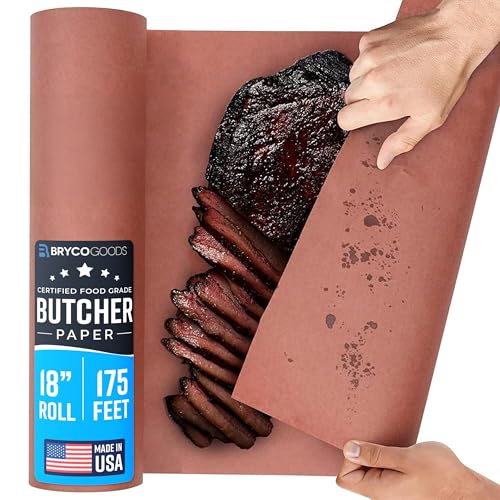
Butchers Paper is ultra durable and strong; does a superior job trapping smoke while releasing steam

【PREMIUM NATURAL QUALITY】Made from premium virgin pulp, our butcher paper is unwaxed, uncoated, and unbleached for a natural and pure product. Ideal for grill masters seeking top-notch, food-safe paper to enhance their culinary creations.
Cook‑Time Estimates by Weight and Temperature
Cooking a brisket flat hinges on weight and smoker temperature, so you can estimate total time by matching pounds to the 1 hour 15 minutes‑per‑pound rule and adjusting for the chosen heat. At 250 °F, a 5‑lb flat spends about 3 hours unwrapped to hit 160‑170 °F, then wraps and cooks another 4‑5 hours to 203 °F, yielding about 8‑10 hours total. Raising the post‑wrap heat to 275 °F trims the finish to 4‑5 hours after the stall, but you must watch brisket moisture retention to avoid drying. Smaller flats finish faster; the 1.5‑lb piece can stretch to 18 hours at low temps like 124 °F. Consistent 225‑250 °F promotes steady smoke ring development, while higher temps accelerate the timeline at the cost of moisture control. Remember that the brisket is considered done when its internal temperature reaches between 190°F and 205°F, with many pitmasters aiming for around 197 °F. Spritzing the brisket with apple cider vinegar before and during smoking helps maintain moisture and flavor.
Resting Guidelines for Maximum Tenderness
After the brisket flat reaches its target internal temperature, let it rest to lock in moisture and achieve peak tenderness. Aim for at least one hour of rest; thirty minutes works only for quick, unwrapped cuts, but shorter rests risk uneven moisture and reduced tenderness. For ideal resting conditions, wrap the meat in foil or a towel and place it in a cooler or insulated tub. Two hours is the minimum for maximum moisture retention, while three to four hours yields the juiciest texture. If you have a well‑insulated container, you can extend the rest to eight hours without quality loss. Keep the internal temperature just above 200 °F during the rest to let connective tissue finish breaking down, ensuring every slice is tender and juicy. Using a reliable meat thermometer helps you monitor that the internal temperature stays in the optimal range during the resting period. Resting for at least one hour allows the meat to retain its juices and achieve the desired tenderness.
Timing Troubleshooting: Dryness, Toughness, and Bark Issues
If you notice dry, tough meat or a lackluster bark, the culprit is usually a timing mismatch. Keep your pit between 250‑275 °F after the initial 225‑250 °F ramp to balance speed and moisture management. Wrap at the 160 °F stall; otherwise evaporation will dry the surface before bark enhancement can occur. Pull only after the internal temperature reaches 200‑203 °F for lean flats, but never exceed 203 °F, or you’ll evaporate juices and create toughness. Increase to 275 °F post‑wrap for 4‑5 hours to push through the stall, and avoid early sprays that wash off the rub. Consistently monitor probe readings, adjust for flat size, and maintain airflow to form a crisp, flavorful bark. Minimizing opening the smoker helps retain heat and prevents temperature spikes.
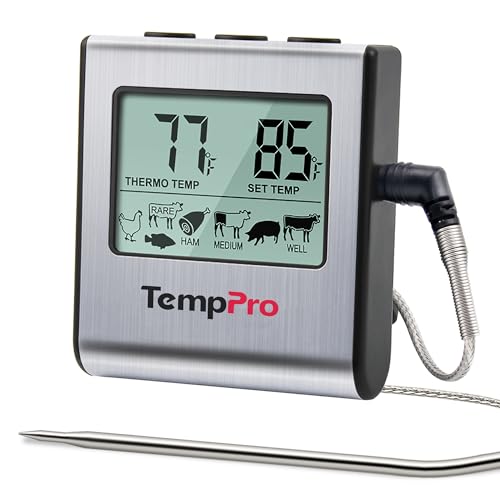
Cook mode with USDA preset temperature settings: TempPro cooking thermometer ideal for meat, oven, smoker or stove top; Programmable alert with preset temperatures for specific foods recommended by USDA; All of the preset temps can be reset to your desired tastes

More Stable Than Bluetooth: Our advanced RF technology ensures a stronger, more reliable connection than Bluetooth. This smoker thermometer provides the freedom to move around without losing connection! Monitor your BBQ from up to 1,000 feet away!

Bluetooth Monitor Remotely: Govee Bluetooth meat thermometer lets you check the temperature of your grill, smoker, or oven from your phone. With this smart BBQ thermometer, you can multitask while grilling.
Adapting the Brisket‑Flat Schedule for Different Grills & Pellets
A solid starting point is to treat each grill type as a separate timeline, because pellet grills, offset smokers, and high‑heat Keg units each demand distinct temperature ramps and wrap windows. On a pellet grill, verify pellet fuel quality, then smoke 3 hours at 225‑250 °F, keeping the fat side up and the pellet feed steady for smoking duration consistency. Wrap at 160‑170 °F with ACV‑moistened butcher paper for six hours. An offset smoker requires a 5‑hour 250 °F phase, half‑wrap in a foil boat, and wood splits every 25‑30 minutes to stabilize temperature; rest two hours before slicing. For a Keg, crank to 280‑310 °F, skip the wrap, and finish at 200‑203 °F. Adjust each timeline to match grill dynamics while preserving bark and juiciness. During the wrapping phase, you may notice the brisket experience a temperature stall around 150–160°F where cooking slows due to moisture evaporation. Cook based on temperature rather than time to ensure perfect doneness.