Smoke the beef ribs at a steady 225 °F for about 5–6 hours unwrapped, spraying a light cider‑vinegar mist every two hours to keep the bark moist and the meat tender. When the internal temperature hits 165‑170 °F and the bark is set, wrap them in pink butcher paper and continue smoking until they reach 200‑205 °F, then let them rest 30‑45 minutes. This method yields juicy, fall‑off‑the‑bone ribs, and the next steps will show you how to perfect the finish.
Prepare the Ribs: Trim, Season & Rest
While you’re trimming the beef ribs, start by slicing off the thick fat cap on the top, leaving just enough of for moisture during the long smoke. You’ll notice the glossy layer of excess fat; remove it cleanly with a sharp knife, taking care not to cut into the meat. Flip the rack and pull the silver skin from the underside, using a paper towel for grip; this prevents a tough, chewy bite. Pat the surface dry with paper towels, wiping away any residual moisture so the seasoning adheres. Sprinkle coarse salt all over, then begin applying dry rub, massaging it into every crevice and the four edges. Let the ribs rest for at least two hours, allowing the rub to penetrate and the flavors to meld before you smoke. After smoking, allow the ribs to rest for at least one hour so the juices can redistribute throughout the meat. Plate ribs have three bones and are known for their impressive marbling and rich, beefy flavor.
Set Your Smoker for Smoking Beef Ribs: 225 °F & Wood Choices
If you set the smoker to a steady 225 °F and choose the right wood, you’ll create the ideal low‑and‑slow environment that renders beef fat gradually while infusing deep, smoky flavor. Begin with a dual‑probe thermometer; one probe monitors air temperature, the other tracks internal meat heat. Set the air alarm between 250 °F and 300 °F for prompt temperature adjustment. Add a water pan to dampen spikes and keep the chamber steady. For wood, load oak chips or chunks for a classic, balanced smoke; pecan or cherry can be mixed for a bolder profile, but limit the load to the first three hours to avoid over‑smoke absorption. Keep the fire bed evenly spread, ensuring consistent airflow and a steady, thin plume of smoke. Monitor the internal temperature periodically throughout the smoking process to ensure the meat reaches optimal doneness. The ribs are lightly coated with olive oil to help the rub bind to the meat, and the rub coating ensures a flavorful crust.


Smoke Beef Ribs Unwrapped: Time, Bark & Spritzing
After setting the smoker to a steady 225 °F and loading oak‑cherry wood, you’ll let the beef ribs sit unwrapped for the first three to five hours. During this window, the SPG rub‘s coarse salt and pepper interact with the low heat, forming a deep, caramelized crust that defines bark quality. Spray a light mist of cider‑vinegar spritz water every two hours to sustain moisture management, preventing the meat side up from drying while the smoke infuses. Keep the ribs meat‑side up; the internal probe should linger around 160‑170 °F, marking the stall. After the stall, continue spritzing at 170‑180 °F to preserve tenderness, allowing the bark to thicken without compromising juiciness. The quality of your smoking results depends significantly on selecting lump charcoal or briquettes that match your heat output requirements and desired burn time. This precise timing yields a firm, flavorful crust and moist interior before any wrap. Use oak as the preferred wood for smoking beef ribs.
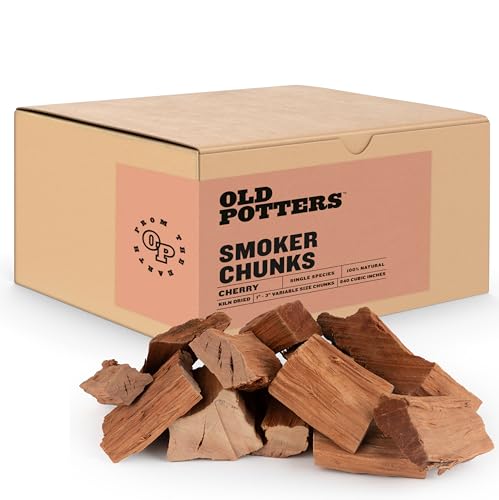
Old Potters smoker chunks are made from 100% real hardwood and are usda certified kiln dried

ALL NATURAL CHERRY WOOD CHUNKS: These smoking wood chunks are crafted from 100% cherry hardwood without any harsh chemicals. They naturally enhance chicken, pork, beef, and seafood with a sweet, fruity, and mildly nutty flavor and a deep, rich color.

RICH, AUTHENTIC SMOKE FLAVOR: Our cherry wood chunks arrive naturally-cured and dry, so they ignite easily and deliver mellow, sweet and fruity wood-fired taste; smoking wood chunks enhance the overall flavor of meats, ribs, vegetables, poultry and fish
Wrap Beef Ribs: Timing, Aromatics & Temperature Goals
You’ll wrap the beef ribs once the internal temperature hits 165‑170 °F and the bark has set, giving the meat a brief spritz of cider‑vinegar or beef broth to lock in moisture before sealing the paper or foil. At that moment, use pink butcher paper tightly or foil if you prefer a softer bark; the wrap should be snug to trap steam. Immediately raise the smoker to 275‑300 °F and monitor probe timing closely. Aim for a post‑wrap internal target of 200‑205 °F, then let the ribs rest in the wrap for 30‑45 minutes. After unwrapping, you may proceed with sauce application, but keep the probe reading steady to avoid overcooking the thickest sections. Beef back ribs contain a treasure of intercostal meat that adds extra juiciness intercostal meat. Wrapping the ribs after the bark sets is similar to the Texas crutch method commonly used in low and slow smoking to preserve moisture during the final cooking stages. After unwrapping, you may proceed with sauce application, but keep the probe reading steady to avoid overcooking the thickest sections.

Meets standards for animal welfare, feed, and more, so you can know about what you're buying (and eating)

Designed specifically for the culinary enthusiast, our 18 paper roll dispenser is optimally crafted to handle barbecue butcher paper, thereby ensuring the authentic taste of your smoked meats is maintained. This is your ideal bbq wrapping paper for smoking

Check Beef Rib Doneness: Probe Readings & Bone‑Pull Test
Three key cues—probe temperature, timing, and the bone‑pull test—together confirm beef rib doneness. Insert the probe midway between two ribs at the rack’s center, aiming for the thickest meat while avoiding fat pockets and bone. Aim for a reading between 180 °F and 195 °F, holding that range for at least 30 minutes; note that temperature variations across the slab are normal, so target the coolest point in the thickness. After the hold, perform the bone‑pull test: gently tug the meat; if it slides cleanly without resistance, the collagen has gelatinized. This tactile response serves as the final textural verification, confirming the ribs are tender enough to serve. Use the 2.5 Pro‑Series needle probe for accurate center‑of‑meat readings.
Rest Beef Ribs: Time, Temperature Drop & Why It Matters
A proper rest for beef ribs lasts 30‑60 minutes, with an hour in a well‑insulated cooler delivering the best tenderness. You’ll notice the meat’s internal temperature stabilizing near 140°F while the connective tissue continues to break down. Wrap the ribs in peach paper to secure bark preservation during rest; the paper blocks evaporative cooling yet lets steam re‑moisten the surface. Choose a cooler with high‑quality insulation; its heat‑retention prolongs passive cooking, preventing a rapid temperature drop that would toughen fibers. A towel tucked inside the cooler adds a micro‑insulating layer, further smoothing the cooling curve. Using a probe thermometer during the resting period helps monitor the temperature decline and confirm when the ribs have cooled to the optimal serving temperature. After the rest, the ribs feel supple, the bark remains crisp, and the juices redistribute for ideal bite. The collagen in short ribs breaks down as it reaches 203°F (95°C).
Slicing, Serving & Quick Fixes for Smoked Beef Ribs
How do you turn perfectly smoked beef ribs into a mouth‑watering plate? Slice between the bones once the meat hits 203‑205 °F and rests, using a sharp knife perpendicular to the bone for clean edges. Trim any excess fat cap before cutting, then arrange individual bones or a whole rack on the serving board. Focus on plate presentation: garnish with chopped herbs or green onions, and place coleslaw, beans, and pickles nearby for color contrast. Offer sauce pairings on the side—classic barbecue, a vinegar‑based spritz, or a beef‑tallow glaze—so diners can dip as they wish. For leftovers, reheat wrapped in foil at 275‑300 °F for 15‑20 minutes, or microwave loosely covered for 2‑3 minutes, keeping bones hot but moist. Quick fixes include basting with sauce during the final smoke or wrapping in butcher paper at 165‑175 °F to lock in juices, as low and slow cooking helps break down the connective tissues for optimal tenderness. The smoker temperature should be kept steady at 250°F for optimal tenderness.