
At 225 °F you’ll want a total of about 5‑6 hours: smoke the ribs unwrapped for 2 hours to build bark and a smoke ring, then wrap them in foil with butter, brown sugar and honey for another 2 hours to tenderize, and finish with a 30‑minute unwrapped bark or glaze. Aim for an internal temperature of 195‑203 °F and use the tug‑or‑toothpick test to confirm doneness. Adjust up to 6 hours for spare ribs or down to 3 hours for baby backs, and the next section shows how to fine‑tune each step.
Total Cook Time & Phase Overview (225 °F)
Why does the 3‑2‑1 method dominate low‑temp rib smoking? You start with a 3‑hour unwrapped phase at 225 °F, which builds bark and smoke flavor while you keep temperature consistency. Then you wrap for 2 hours, letting steam tenderize the meat, and finish with a 1‑hour sauced, unwrapped stage that sets glaze and firm texture. For spare ribs you follow the full 3‑2‑1, totaling six hours; back ribs shorten the wrap to 1 hour to avoid over‑tenderizing, while baby back ribs often use a 2‑2‑1 or 3‑1‑1 schedule, adjusting cook time based on rib type. Throughout each phase you monitor internal temperature, aiming for 205 °F before serving, and spritz to prevent drying. Wood chips like hickory, apple, or walnut provide distinct smoke flavors that complement the meat during the initial unwrapped phase. This data‑driven structure guarantees repeatable results. Using a gas grill can simulate a smoker when one isn’t available.


2‑Hour Unwrapped Phase for Smoking Ribs at 225 °F
When the ribs hit the 225 °F smoker unwrapped, the first two hours are all about establishing bark, smoke ring, and moisture balance; you’ll monitor internal temperature every 30 minutes, aiming for 160‑170 °F at the two‑hour mark. Spritz with a 1:1 water‑apple cider vinegar mix each hour; this preserves moisture retention while allowing collagen to render. Smoke penetration peaks now, because no foil blocks the wood’s blue smoke, producing a deep mahogany bark and a distinct smoke ring. Observe the meat pulling back from the bones—an early sign of collagen breakdown. Keep the smoker steady at 225 °F; consistent heat guarantees predictable smoke exposure and the texture you need before the next phase. Popular pellet flavors like hickory, pecan, and cherry enhance the smoke ring and bark development during this critical unwrapped period. The size of the ribs will affect how quickly they reach doneness, with larger slabs requiring slightly more time.
Wrap Ribs for 2 Hours (Texas Crutch) With Butter, Brown Sugar & Honey
After the two‑hour unwrapped phase, you’ll wrap the ribs for the next two hours using the Texas Crutch, sealing in moisture while the butter, brown sugar, and honey create a glossy, caramelized glaze. Measure 2–4 Tbsp butter, ¼–½ cup brown sugar, and ¼ cup honey; combine them into a uniform slurry before laying the ribs bone‑side down on foil. The butter melts, emulsifies with honey, and distributes heat evenly, while brown sugar caramelizes, adding a sweet crust that won’t burn at 225 °F. This sealed environment accelerates connective‑tissue breakdown, reducing the stall and preserving bark. Track smoke ring development; a firm pink layer indicates proper collagen conversion. Adjust seasonings consideration if the rub’s salt content is high, preventing oversaturation. Low‑and‑slow cooking at 225 °F allows the meat to absorb smoky flavors while the wrapped cooking method helps break down connective tissues more efficiently than unwrapped smoking alone.

Dual Bottle Package: TWO shaker bottles of seasoning included in this convenient set

ONE shaker bottle of seasoning

THE PERFECT FATHER’S DAY GIFT FOR BBQ LOVERS – Looking for Father’s Day gift ideas for dad, Father’s Day gifts for husband, or BBQ gifts for men? Honey Killer Bee delivers award-winning sweet barbecue flavor that’s perfect for grill masters, pitmasters, and backyard cooks alike.
Final 30‑Minute Unwrapped Bark for Ribs at 225 °F
A solid 30‑minute unwrapped phase at 225 °F finishes the 2‑2‑1 method by firming the bark without overcooking the meat. During this interval you keep the smoker at a steady 225 °F, monitor the temperature probe at grate level, and watch for the slight drop that occurs when you remove the foil. The rapid steam escape from the now‑exposed surface accelerates moisture loss, which in turn drives flavor intensification and crust formation. Sprinkle a thin layer of rub on the top side to enhance the bark’s texture; the 30‑minute window balances tenderness with a firm crust while keeping internal temperature near 205 °F. This hot and fast method contrasts with traditional low and slow smoking by significantly reducing overall cooking time. Avoid extending beyond this period, as prolonged exposure risks toughness and unnecessary moisture loss. Wrap the ribs tightly with foil for the second two‑hour stage to retain moisture before the final unwrapped phase.
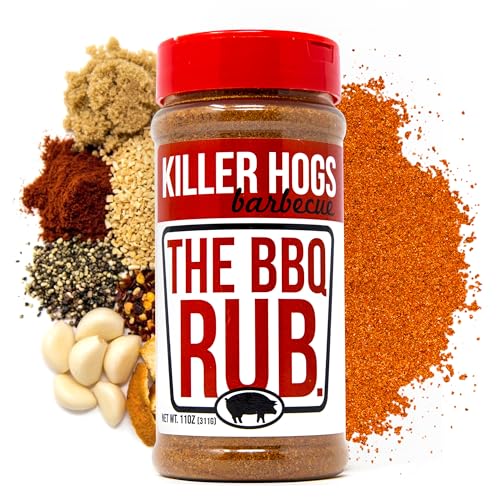
CHAMPIONSHIP PITMASTER FLAVOR: Created by the Killer Hogs Championship BBQ team, this legendary Killer Hogs BBQ Rub delivers a balance of sweetness, spice, and a subtle kick; This BBQ seasoning is ideal for beef, ribs, steak, burgers, pork, and chicken

Applewood Rub is a bold blend of garlic, peppers & applewood smoke

Sweet & Smoky Rub is a blend of chipotle peppers, cinnamon, garlic & onion
Check Doneness: Toothpick, Internal Temp, Bite‑Off‑the‑Bone
The 30‑minute unwrapped phase leaves the ribs at a stable 225 °F and a firm bark, setting the stage for precise doneness verification. You start with the temperature probe technique, inserting the probe into the thickest meat away from bone; aim for 195–203 °F, with baby back ribs ideally at 198–202 °F. Next, perform the tug test: lift the rack with tongs and look for a pronounced sag between bones without meat cracking off. Finally, apply the toothpick test—slide a clean toothpick between the bones; if it glides like butter and leaves a clean path, the connective tissue has collapsed. Repeat each test in several spots to confirm uniform tenderness before you move on. Higher temperature melts collagen into gelatin, ensuring the ribs stay juicy and tender. When ribs pass the bend test for tenderness, you can confidently pull them from the smoker.
30‑Minute Saucing Stage: When & How to Glaze
When the ribs have completed the 30‑minute unwrapped phase at a steady 225 °F, you’ll apply BBQ sauce and begin the minute‑saucing stage. Use a brush for a uniform sauce application technique, covering all sides before the final 30‑minute smoke. Monitor internal temperature; once it reaches 205 °F, the ribs are ready for the 30‑minute saucing window. Keep the smoker at 225 °F to control sauce caramelization effects, which intensify after 20 minutes and peak at the 30‑minute mark. Probe every 30 minutes to verify temperature stability. If the rack is large or the temperature lags, add a 30‑minute extension before broiling. Finish with a 5‑minute broil to lock in a glossy, caramelized glaze. The low‑and‑slow method at 250°F helps break down collagen for a fall‑off‑the‑bone texture. For optimal results, allow the ribs to rest after cooking so that juices can redistribute throughout the meat, ensuring maximum tenderness and flavor.
Troubleshooting: Over‑cooking, Dry Ribs, Smoke Balance
After the glaze sets, the next priority is keeping the ribs from drying out, staying within the 205 °F internal‑temperature window, and maintaining balanced smoke. Monitor the probe every 30 minutes; if the reading approaches 210 °F, remove the ribs immediately to prevent over‑cooking. Wrap foil after the initial 2‑hour unwrapped phase, adding apple juice or butter for moisture loss prevention; this also shortens the remaining cooking time. Keep the smoker at a steady 225 °F, and avoid extending the unwrapped phase beyond five hours, as extra smoke yields diminishing returns and can cause bitter notes. Use mesquite sparingly, watching for thin blue smoke rather than thick white, to achieve smoke flavor optimization without overwhelming the meat. For optimal results, remove the membrane before smoking to ensure better seasoning penetration and more tender meat. Rib thickness can also affect cooking time, so adjust accordingly.


