Set up a two‑zone charcoal grill by piling hot coals on one side and placing a water‑filled foil pan opposite to keep humidity steady, then open the vents fully for airflow. Choose St. Louis spare ribs for uniform thickness, coat them with oil, press a balanced rub of paprika, salt, brown sugar, pepper, garlic powder, and optional spices, and let them rest an hour or overnight. Keep the grill at 225‑250 °F, add soaked wood chunks hourly, and smoke indirect. Wrap the ribs tightly in foil with a splash of water or butter, turn occasionally, then un‑wrap, mop with sauce, and finish over direct heat for a glaze. Continue for tips on timing, sauces, and slicing.
Set Up Your Charcoal Grill for Ribs
One key step is creating a two‑zone fire: pile charcoal on one side of the grill, leaving the opposite side empty for indirect heat. First, check grill cleanliness; scrape ash, wipe grates, and remove debris to prevent flare‑ups. Remove the grates, load a chimney starter, and dump hot coals onto the hot side, ensuring enough fuel to cover the cooking area. Replace the grates, then lower them halfway down the grill so ribs sit on the cool side, bone‑side down. Position a foil pan filled with water opposite the coals to regulate humidity and temperature. Add soaked wood chunks for smoke, and verify the cooking area is clear of obstacles. For optimal results, ensure proper airflow by fully opening the grill vents before cooking begins. Adjust vents to maintain 225‑250°F, and monitor with a grill thermometer. Charcoal grilling provides excellent temperature control for slow and steady cooking.
Choose the Right Rib Cut for Charcoal‑Grilled Ribs
When you pick a rib cut for charcoal grilling, consider thickness, fat content, and cooking method. The St. Louis cut spare ribs give uniform thickness, 11‑13 bones, and consistent fat marbling, producing a steady ribs texture that tolerates direct 300 °F heat and frequent sauce application. Baby back ribs are smaller, leaner, and curve, making them ideal for indirect 225‑250 °F sessions; they render a fall‑off‑the‑bone texture but require careful sauce timing to avoid drying. Full pork spare ribs retain more connective tissue, handling higher heat and yielding a richer, juicier texture, while beef back ribs and short ribs bring beefy flavor and thick meat layers that benefit from slower smoke and generous sauce coating. For baby back ribs on charcoal, plan for 1 to 3 hours of low and slow cooking to reach the ideal tenderness. Choose the cut that matches your heat plan and desired texture. The ribs should be placed on the hot direct side of the grill for initial searing to develop a crunchy exterior.

One bone-in pork spareribs St. Louis style between 2.7 and 4.25 pounds

READY TO GRILL QUICKLY: Kingsford Original Charcoal Briquettes light fast and are ready to cook on in about 15 minutes, thanks to innovative Sure Fire Technology and more edges for faster ignition

8 LB. BAG ALL-NATURAL HARDWOOD LUMP CHARCOAL FOR GRILLING, SMOKING & OUTDOOR BBQ COOKING – Upgrade your grilling experience with Mr. Bar-B-Q Lump Charcoal, made from a premium blend of 100% natural hardwoods for a clean, hot, and flavorful burn. Perfect for charcoal grills, smokers, kamado cookers, and portable BBQ setups, this high-quality lump charcoal delivers rich smoky flavor, consistent heat, and low ash for better performance and easier cleanup. Whether you're firing up a chimney starter, searing over high heat, or slow-smoking your favorite meats, poultry, seafood, or vegetables, this charcoal is the ideal choice for BBQ enthusiasts, grill masters, and outdoor cooks.
Apply a Flavorful Rub and Let It Rest
After selecting the rib cut, coat each slab with a thin layer of oil or mustard to help the rub adhere, then press a balanced mixture of paprika, kosher salt, brown sugar, black pepper, and garlic powder into the meat, massaging it with your fingertips or knuckles. Use the wet‑hand method to spread the rub evenly, then add a rub variation—cayenne, cumin, coriander, or ancho chile—to fine‑tune flavor balance. Sprinkle onion powder and a pinch of Italian seasoning for depth, then press the mixture firmly into both sides. Let the ribs rest at least one hour at room temperature, or refrigerate overnight for maximum penetration. This resting phase allows salt to draw out moisture, enhances tenderness, and stabilizes the seasoning before you begin the low‑and‑slow charcoal cook. For optimal temperature control during cooking, keep the bottom vents fully open to ensure consistent airflow throughout your indirect grilling session. Use a chimney starter to ensure the charcoal is evenly lit and ready for indirect grilling.

Sweet & Smoky Rub is a blend of chipotle peppers, cinnamon, garlic & onion

TEXAS-MADE: Crafted by BBQ expert Jess Pryles, this activated charcoal rub delivers bold flavor for steak, brisket, and burgers. Proudly made in Texas with premium ingredients for authentic grilling.

Maintain 225‑250 °F and Add Wood Smoke
Maintaining a steady 225‑250 °F is the key to tender, juicy ribs, so keep the grill lid closed and monitor the temperature with a probe through the gasket. Use the bottom and top vents to fine‑tune airflow: open them fully to edge toward 250 °F, then partially close to settle at 225 °F. Adjust in small increments, watching the probe to maintain consistent temperature. Arrange charcoal in a snake or push it to one side for indirect heat, and add fresh coals only if the reading dips below 225 °F. For smoke, place 2‑4 soaked wood chunks of hickory, apple, or oak in the indirect zone each hour. This adds smoky flavor without causing flare‑ups, keeping the rib environment oven‑like and steady. Understanding charcoal placement creates zones that help maintain the desired temperature. Keeping the lid closed during the smoking process preserves both heat and smoke production, which is essential for developing the deep flavors that make smoked ribs exceptional.
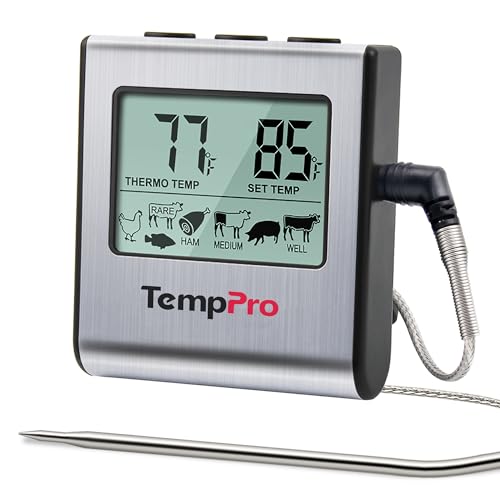
Cook mode with USDA preset temperature settings: TempPro cooking thermometer ideal for meat, oven, smoker or stove top; Programmable alert with preset temperatures for specific foods recommended by USDA; All of the preset temps can be reset to your desired tastes

BBQ / Grill pit thermometer, safe and environmentally friendly.
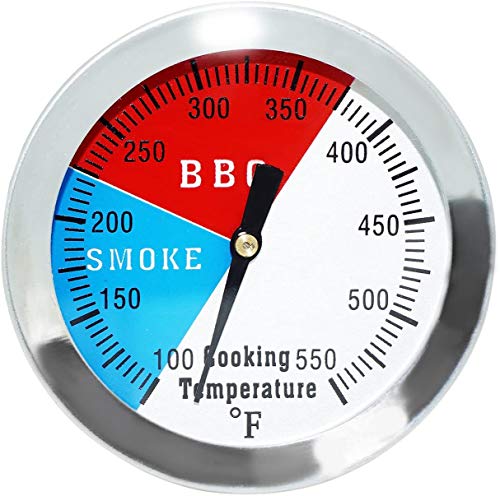
2" BBQ grill smoker pit thermometer stainless steel thermostat pit temp gauge
Cook Charcoal‑Grilled Ribs Low‑and‑Slow in Two‑Zone
Set up a two‑zone charcoal grill by piling lit coals on one side and leaving the opposite side empty for indirect heat; position the top vents over the cool zone to channel smoke across the ribs and place a drip pan beneath. Trim the rib slab, remove the silver skin, brush with mustard, then coat with dry rub and let sit 20 minutes. Lay the ribs bone‑side toward the coals on the cool zone, close the lid, and begin temperature monitoring. Keep the grill at 250‑350 °F by adjusting bottom and top vents; add 8‑10 unlit briquettes after the first hour, briefly opening the lid to ignite them. Spin the ribs halfway through the first hour, maintain smoke management, and continue low‑and‑slow cooking until the internal temperature reaches 206 °F. For optimal results, aim for ribs with mahogany color and slight bone exposure. Rest for 30 minutes before serving. Two‑zone grilling provides precise temperature control for consistent results.
Wrap the Ribs in Foil for Moisture
Seal the ribs in a double‑layer foil packet to lock in steam and flavor, then let the sealed packet cook on medium direct heat for an hour. Use heavy‑duty foil, cutting an extra 8 cm for bone exposure, and spray the top sheet to prevent sticking. Position seasoned ribs meat‑side up, add ¼ cup water or an ice cube, and optionally a butter‑sauce mixture for flavor enhancement. Fold the foil seam up, roll the sides tightly, and double‑fold the short ends to create a leak‑proof seal. The packet traps steam, creating a self‑basting environment that guarantees moisture preservation and accelerates connective‑tissue breakdown. Turn the packet occasionally for even heat distribution, keep the crown side up, and let it rest ten minutes before opening. For optimal results, finish the unwrapped ribs with a quick sear over direct heat to caramelize any sauce and develop a flavorful crust. This technique yields ultra‑tender, juicy ribs with intensified flavor. The charcoal should be white and ashy before adding the foil packets.
Unwrap and Mop the Ribs With Sauce
After the foil packet releases its steam and the ribs have set a firm crust, open the package and immediately begin mopping. Pour a thin, warmed mop sauce—light beer, apple cider vinegar, lemon juice, and spices—into a heat‑resistant brush or spray bottle. Apply the sauce with gentle pressure, ensuring consistent sauce application across the surface. Flip the ribs, rotate them, and repeat every 15–20 minutes, maintaining grill temperature at 300–350°F by adjusting vents and dampers to control oxygen supply. The thin consistency prevents soggy crusts while drawing smoke into the meat. Frequent mop reapplication hydrates the ribs, promotes caramelization, and adds layered flavor without burning sugar. Continue this cycle for 1.5–2 hours until internal temperature reaches 200°F, then let the ribs rest before slicing. The sweet BBQ rub adds an extra layer of caramelized flavor during the final minutes of cooking.
Finish the Ribs With Direct Heat and Glaze
You’ll finish the ribs by searing them over direct heat at 300‑325 °F, then glazing the meat side up for the final caramelization. Position the ribs bone‑side down on the hot coals, close the lid, and keep vents partially open to hold the temperature steady. After 30 minutes, flip to meat side, twist the rack every few minutes, and watch the sizzle as fat renders. When the internal temperature reaches 165‑170 °F, brush a thin coat of non‑sugary mop—apple cider vinegar or similar—onto the meat side. Continue grilling 5‑7 minutes, letting the glaze bubble and caramelize. Throughout, monitor temperature closely and avoid overcooking by limiting direct exposure to under an hour. For optimal tenderness, consider the wrapping technique during earlier stages of cooking to lock in moisture. Leaving the membrane on the back helps protect the ribs from drying out during this final sear.
Rest, Slice, and Serve Your Charcoal‑Grilled Ribs
Let the ribs rest for 10‑15 minutes, loosely tented with foil, so the internal temperature drops below 200 °F and the muscle fibers relax, preserving moisture and preventing the meat from slipping off the bones before you slice. During this period, monitor the resting temperature; it should settle around 180‑190 °F, allowing juices to redistribute. When the ribs are cool enough to handle, position a sharp chef’s knife at a 45° angle and apply even pressure for slicing precision. Cut between the bones, aiming for uniform 1‑inch sections that release the bark cleanly. Pre-cooking your ribs in the oven at low temperatures helps render fat and tenderize the meat before the final grilling stage, ensuring fall-off-the-bone tenderness. Plate the portions immediately, keeping them warm but not scalding. Serve while the texture is tender, the meat is juicy, and the flavor profile remains intact. Allow ribs to cool for easier slicing.