Smoke your chicken legs at 225‑250 °F for about 1½‑2½ hours, depending on size, until a meat thermometer reads 165‑175 °F. Start by brining for moisture, then dry‑rub and oil the legs before placing them on a spaced grate. Keep the smoker steady, avoid opening it too often, and add a water pan if needed. Let the legs rest 5‑10 minutes before serving, and you’ll uncover tips on sauces, troubleshooting, and perfect pairings.
Quick Answer: Smoke Time & Temperature for Chicken Legs
If you set your smoker to 225 °F, you’ll need about 90 minutes for chicken legs to hit the safe 165 °F mark, then keep them at that temperature until they reach 170‑175 °F for ideal juiciness and a tender bite. This schedule creates efficient smoke cycles that preserve moisture while driving flavor. Monitor the thickest part with a probe; once you see 165 °F, you can either brush sauce and continue to 175 °F for a caramelized glaze or raise the heat to 450 °F for a quick crisp, turning every 2‑3 minutes until the skin turns golden. Aim for preferred internal temperatures of 170‑175 °F before serving, ensuring safety and a juicy, tender bite without overcooking. For extra crispiness, consider air-drying the legs with kosher salt before smoking to enhance the skin texture. Drumsticks are inexpensive and perfect for beginners learning to smoke.
Select the Right Smoker Temperature for Smoking Chicken Legs
Choosing the right smoker temperature is key to balancing smoke flavor, cooking time, and skin texture for chicken legs. Aim for 275‑285°F to hit the ideal smoke flavor while achieving preferred texture profiles; this range crisps skin without rubbery edges and reaches 170°F internal in about 70 minutes. If you need a quicker cook, bump to 325°F for 45‑46 minutes, which also enhances crispness and works well for glazed legs. Avoid dropping below 225°F, as skin becomes undesirable. For a two‑stage method, hold 275°F for 45 minutes then finish at 325°F for the last 10 minutes. Maintaining a steady 275‑285°F throughout yields consistent results and lets rubs develop without burning. Using an instant-read thermometer ensures you monitor the internal temperature precisely to confirm doneness. Many electric smokers have a maximum temperature of 275°F.

【SPECIFICATION】: 120V 15A Analog controller, adjustable Temperature Range: 50F-500F (Depends on the size of your smoker/grill).
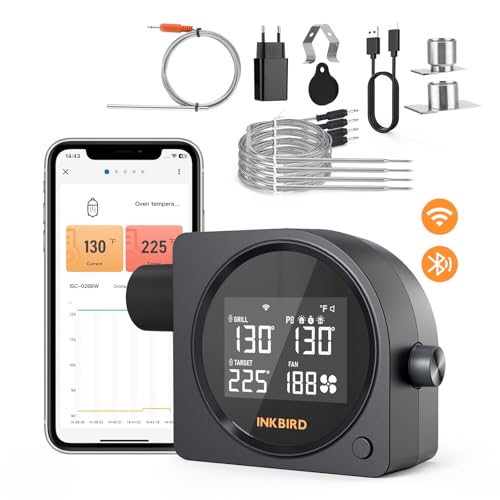
【5G Wi-Fi & Bluetooth5.0 Mode】Inkbird smoker controller fan supports two networking methods;can monitor the grill through smartphone; one smartphone can control multiple smoker controllers at the same time, or multiple people can monitor one smoker controller.

Step‑by‑Step Brine, Rub, and Oil for Smoking Chicken Legs
After setting the smoker to 275‑285°F, you’ll want to lock in moisture and flavor before the heat strikes the meat. Begin with the ideal brine ingredients: 8 cups water, ¼ cup kosher salt, onion powder, garlic powder, sage, and optional pickle juice or beer for nuance. Submerge the legs, refrigerate for the supreme brining duration—4–6 hours, or overnight for deeper flavor. Rinse thoroughly, then pat dry with paper towels multiple times. Brush olive oil evenly; this acts as a binder for the dry rub. Mix black peppercorns, garlic, rosemary, thyme, and parsley, then coat the oiled legs. Let them rest exposed in the fridge 2–4 hours to tighten skin before smoking. Brining also prevents dryness during the smoking process. Use an instant-read meat thermometer to monitor the internal temperature and ensure the chicken reaches the safe temperature zone before serving.

CHAMPIONSHIP BIRD BRINE - This Bird Brine seasoning was developed by our award winning Killer Hogs Championship BBQ team.

ALL-IN-ONE TURKEY RUB FOR ROASTING, GRILLING, SMOKING & FRYING. A premium turkey dry rub ideal for whole turkeys, breasts, or legs. Apply before cooking to lock in moisture and create a flavorful crust. Great in kitchen ovens or on backyard grills.

13oz package contains packet of brine mixture and packet of rub
Smoke Times by Temperature & Leg Size for Chicken Legs
Mastering smoke times hinges on matching temperature to leg size, so you’ll hit the perfect internal heat without guessing. At 275 °F, small legs reach 165 °F in 60 minutes; add 75 minutes to 165‑170 °F, then pull at 175 °F for dry smoking. Larger legs need 1.5 hours to 165 °F, plus a 30‑minute buffer, then another 15 minutes to 175‑180 °F. For low‑and‑slow, set 225‑250 °F and smoke 2.5 hours, checking that the thickest part hits 175‑180 °F before you rest. If you crave crispness, finish the last 30 minutes at 350 °F. Throughout, use internal temperature monitoring to avoid overcooking and to achieve perfect skin texture. Air-drying your chicken legs uncovered in the fridge overnight before smoking can help achieve crispier skin results. Rest 5‑10 minutes before serving. Use oak wood for a classic smoky base that complements any rub.
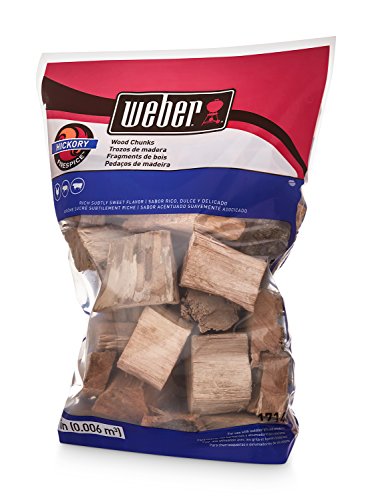


REAL CHUNKS, NOT CHIPS — 2"x3" pieces burn 30-60 min each. Chips burn out in 5 minutes.
Best Time to Apply Sauce While Smoking Chicken Legs
A well‑timed glaze makes the difference between a dry crust and a glossy, flavorful finish, so aim to brush the sauce on the chicken legs during the last 10‑15 minutes of smoking, once the internal temperature has reached about 170 °F. Warm the sauce first; heat thins it, giving the right sauce consistencies for an even coat without clumps. At the 2.5‑hour mark, when the meat sits near 170 °F, apply the glaze in a thin, uniform layer. Return the legs to the smoker for the final 10‑15 minutes, allowing the sauce to set and the skin to crisp. This late stage application prevents burning, locks in flavor, and yields a clean, bite‑off‑bone finish. For optimal tenderness, some pitmasters recommend smoking at 225-250°F to ensure the chicken legs reach an internal temperature up to 180-185°F. The pickle juice brine also helps keep the meat moist during the smoking process.
Troubleshooting Common Issues When Smoking Chicken Legs
One of the most frustrating moments is when the lid keeps popping open, letting the smoke—and the flavor—escape. You must seal the smoker, then perform minimum moisture checks to safeguard the meat isn’t drying out during each brief opening. If temperature drops, increase the heat to 325‑350 °F for crisp skin, but keep proper fuel amounts steady; wet pellets or an auger blockage will cause swings and uneven smoke. Use a backup thermometer to verify readings and prevent faulty primary gauges. For rubbery skin, skip foil and water pans, and perforate the skin to aid rendering. White smoke indicates incomplete burn—switch to seasoned hardwood and maintain a narrow temperature band for consistent flavor. Monitor the internal temperature with a digital meat thermometer to ensure your chicken reaches the proper doneness level throughout the cooking process. Patience is essential, as opening the lid too often disrupts smoke accumulation and temperature stability.
Rest, Pull, and Serve Smoked Chicken Legs
When the smoker finally clicks off, let the chicken legs rest for at least five minutes—ideally ten—while you loosely tent them with foil so the juices can redistribute evenly before you pull them for serving. Aim for perfect resting times of five to ten minutes; this short pause locks in moisture and stabilizes the meat’s texture. After the rest, check optimal internal temperatures: pull dry legs at 175 °F, sauced legs between 165 °F and 175 °F, or remove from a pellet grill at 170 °F. If you plan a final sear, pull at 165 °F. Brush sauce at 165 °F, thin with apple juice, then caramelize for an extra five to ten minutes. Serve immediately, then refrigerate within three days or freeze up to four months. Reheat at 400 °F for fifteen minutes. Use Kingsford™ Hardwood Pellets for a consistent low‑heat smoke. During the resting period, juices redistribute throughout the meat, ensuring even moisture distribution similar to how whole smoked chickens benefit from post-cooking rest time.