At 350 °F, a fresh 8‑oz, 1/2‑inch patty takes about 30 minutes to hit a juicy medium (≈145 °F). Flip it once halfway through, then sear each side at 450 °F for 45 seconds to lock in moisture. Let the burger rest five minutes; carry‑over heat brings it to a perfect medium‑well. Follow these steps and you’ll master the timing, then uncover deeper tips for flawless smoked burgers.
How Long Does a 350°F Smoked Burger Take?
A typical 350°F smoked burger takes about 30 minutes to reach medium doneness, with the flip halfway through the cook. You’ll find the ideal cooking time sits between 25 and 35 minutes, depending on patty thickness. For a half‑inch patty, 30 minutes yields a target internal temperature of roughly 145°F, the sweet spot for medium. If you prefer well‑done, let the burger linger until the internal temperature hits 160°F, which usually means extending the cook to 35 minutes or more. Remember to flip once, halfway through, to guarantee even heat exposure. Monitoring the thermometer assures you hit the target internal temperature without overcooking, keeping the burger juicy and flavorful. For best results, use ground beef with at least 15% fat content to prevent the meat from drying out during the smoking process. The smoke penetrates quickly because the ground meat has plenty of bits and pieces to absorb it, so quick absorption enhances flavor even in a short cook.
Preparing the Perfect Patty for a 350°F Smoker
Since the burger’s cook time is set, the next step is shaping a patty that stays juicy and cooks evenly at 350 °F. First, meet the meat selection criteria: choose fresh ground chuck or sirloin with an ideal fat content of 80/20, sourced from a reputable butcher. Keep the meat cold until you form the patties, then handle it gently. Shape eight‑ounce, ½‑inch‑thick rounds, creating a slight dimpling in the center to prevent doming. Avoid over‑pressing; a loose, tender texture preserves juices. Season both sides immediately before smoking with equal parts salt, pepper, and garlic powder, or a dry rub that coats edges. Let patties rest 15‑20 minutes to reach room temperature, then place them directly on oiled smoker grates for a uniform smoke exposure. Ground beef with higher fat content, ideally at least 15% fat, helps retain moisture during the smoking process. Using a meat thermometer ensures the internal temperature reaches the safe doneness level.

One 16 ounce package of 100% Pure Ground Beef, 80% Lean/20% Fat

Three individually sealed 16 ounce packs of 100% Pure Ground Beef, 80% Lean/20% Fat
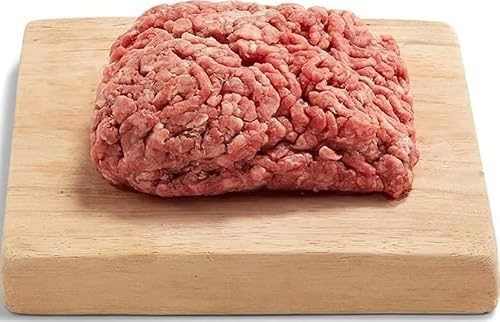
Meets standards for animal welfare, feed, and more, so you can know about what you're buying (and eating)
Smoke‑Phase Timing: From 300°F to 350°F
Two to three minutes at 300°F to 350°F is all you need before the burgers hit the critical 135‑145°F internal range, and you’ll know exactly when to flip for even smoke exposure. At 300°F the smoke phase accelerates; a quarter‑pound patty will reach 135°F in roughly 20‑25 minutes, then climb to 145°F by the 30‑minute mark. When you raise the grill to 350°F, the same window shrinks to 12‑16 minutes, so you must watch the probe closely. Use temperature monitoring precision to catch the sweet spot, and observe smoke‑ring attributes as a visual cue that the meat is absorbing flavor uniformly. Like larger cuts of meat, the stall phase can occasionally affect cooking progression, so maintaining consistent temperature control is essential. Thicker patties need a few extra minutes, but never flip before the internal target is met. The recipe calls for a smoker temperature of 325°F to achieve optimal flavor and safety.
Flipping the 350°F Smoked Burger – Timing and Temperature
Three minutes into the 350°F smoke, the patties will be ready to flip—once they release easily from the grates and show a light browning on the side. At this point you’ve reached the ideal smoke duration for an excellent meat selection, usually a blend of chuck and brisket. Use an instant‑read thermometer; when the internal temperature is about 15°F below your target doneness (≈135°F for medium‑rare, 160°F for well‑done), flip. Avoid pressing the spatula to keep juices locked in. After flipping, close the lid and let the other side cook another 30 minutes, maintaining steady 350°F. This single mid‑cook flip guarantees even heat penetration and a crisp exterior without overcooking. Use 15% fat for optimal juiciness.

Fast & Accurate: Get precise readings in just 1 second with ±0.9°F accuracy. NSF Certified for trusted food safety, this digital food thermometer features a 4.3 inches food-grade stainless steel meat probe, perfect for grilling, frying, baking, making candy and more

Instant Read Food Thermometer | Our instant read thermometer features a temperature probe and advanced, highly accurate technology with 1-2 seconds response time; Instructions, meat temperature chart, comes pre-calibrated for your convenience, and recalibrating feature if needed.

COMPATIBILITY: Meat probe is only compatible with Pit Boss wood pellet grills and smokers. NOTE: The probe NOT FIT FOR Treager, Camp Chef, Masterbuilt, Char-Grill, Therm Pro. Please ensure your grill and confirm that the model is compatible
Crank Up the Heat: Sear Your 350°F Smoked Burger at 450°F
After the quick flip at 350°F, let the patties rest while the grill climbs to a searing blaze. Raise the pellet grill to the ideal sear temperature of 450°F, then place the smoked burgers directly over the burners. The smoke sear sequence begins with a 45‑second sizzle on the first side, flips to the second side for another 45 seconds, and you’ll see dark, caramelized grill marks form. Keep the heat steady at 400‑450°F to lock in moisture and prevent sticking. For a medium‑rare finish, aim for an internal temperature of 135°F; a rare patty stops at 125°F. This high‑heat burst delivers a crisp crust, a vivid smoke ring, and a juicy interior—all in just a couple of minutes. Using ground chuck ensures the perfect 15‑20% fat content for a juicy, flavorful burger. Flipping burgers once rather than multiple times helps retain juiciness throughout the cooking process.

【A PERFECT FIT FOR PELLET GRILLS】- Designed specifically for your pellet grill, these grill grates rest on top of your existing grill surface, enhancing performance and cooking results. Set Includes: (3) 15″ Panels Assembled Dimensions: 15” Deep by 15.375” Wide

🔥 8-IN-1 WOOD-FIRED VERSATILITY – Grill, sear, bake, roast, braise, smoke, BBQ, and char-grill with one powerful pellet grill. Achieve rich, authentic wood-fired flavor for every meal, from quick weeknight dinners to low-and-slow smoking.

𝗔𝗱𝘃𝗮𝗻𝗰𝗲𝗱 𝗧𝗲𝗺𝗽𝗲𝗿𝗮𝘁𝘂𝗿𝗲 𝗖𝗼?𝘁𝗿𝗼𝗹: With PID 3.0 Technology, our grill maintains precise temperatures from 180°F to 450°F. The LCD screen and auto-tuning features ensure consistent heat, regardless of external conditions
Resting the 350°F Smoked Burger – Why the Final 5‑Minute Pause Matters
Even though the grill’s heat has just died down, letting your 350°F smoked burger rest for five minutes is necessary; during this pause the juices redistribute, preventing the 20 % loss you’d see if you sliced immediately. Patty thickness considerations matter: thin patties need only this brief rest, while thicker ones benefit from the same five‑minute window to let carryover cooking push the internal temperature targets from 150‑155 °F up to the safe 160‑165 °F range. Tent the burger loosely with foil, keep it on a draft‑free plate, and resist the urge to press or cut. To prevent moisture loss during cooking, avoid pressing down on patties as you tend to your smoked burgers. This short, structured rest locks in smoke‑infused flavor, guarantees a uniformly juicy bite, and delivers the perfect medium‑well doneness without overcooking. Smoked burgers are even better when the smoker does the work, making the process effortless.
Top Mistakes to Avoid When Smoking Burgers at 350°F
When you fire up a 350°F smoker, the most common pitfalls—temperature drift, improper patty handling, and poor wood choice—can instantly ruin a burger’s texture and flavor. First, preheat fully and keep the lid closed; every opening drops the heat and forces you to guess the finish. Use temperature control techniques like a digital probe and steady vent adjustments to stay within a tight band. Second, form patties with a 4‑to‑1 meat‑to‑fat ratio, handle them gently, and avoid pressing them on the grill; this preserves juices and prevents chewiness. For extra insurance on moisture retention, consider placing an ice cube in the center of thicker patties before smoking to keep them juicy throughout the cook. Third, follow fuel wood selection tips: choose seasoned hardwoods, skip pine or cedar, and add small, dry chunks to maintain consistent smoke without spikes. Finally, monitor internal temperature, aiming for 155°F, and resist flipping multiple times. These steps keep your smoked burgers juicy, flavorful, and safe.