Smoked fish stays fresh for about two weeks if you keep it unopened and refrigerated at 32‑38 °F, but once you open it you should eat it within three to five days—flavor peaks by day two and texture declines after day five. Vacuum‑sealed, frozen smoked fish can last up to six months at –20 °F or colder. Keep it in the coldest part of the fridge, avoid door shelves, and protect it from strong odors. Want to know how temperature, species and storage hacks affect shelf life?
How Temperature Determines Shelf Life of Smoked Fish
The temperature at which you store smoked fish dictates its shelf life because microbial growth, enzymatic activity, and chemical reactions all accelerate as heat rises. You must keep the core temperature regulation at or below 38 °F (3.3 °C) to inhibit *Listeria* and *Clostridium* spp. If water activity thresholds drop below 0.97 and water‑phase salt exceeds 5 %, you can relax the upper limit to 50 °F (10 °C) for a short period, but only when the product’s water activity is controlled. Rapid cooling to 38 °F within 12 hours after smoking prevents histamine formation and toxin risk, particularly important since internal temperature targets between 130 °F and 145 °F during the smoking process must be reached for food safety. Consistent temperature across transport, warehousing, and display preserves microbial safety and extends shelf life, as evidenced by 1 °C storage achieving 21‑day viability for hot‑smoked mackerel. Third party testing for water‑phase salt typically costs about $50 per sample.
How to Store Unopened Smoked Fish for Maximum Shelf Life
Where can you keep unopened smoked fish to maximize its shelf life? Store it in the coldest part of your refrigerator—typically the back of the bottom shelf—while maintaining temperatures between 32‑38 °F. Use vacuum sealing techniques to keep the original packaging intact; this removes air, curbs oxidation, and slows bacterial growth. Controlling refrigerator conditions, such as avoiding door shelves where temperature spikes occur, preserves freshness longer. Keep the fish away from strong‑smelling foods to prevent odor transfer. If you need extended storage, freeze the unopened, vacuum‑sealed product; hot‑smoked salmon lasts 6‑12 months, cold‑smoked up to 12 months, provided the freezer stays consistently cold and airtight. Follow these steps to achieve maximum shelf life. Vacuum‑packed cold smoked salmon can last up to 30 days unopened in the fridge. For best results, store unopened smoked fish at temperatures below 40°F to maintain optimal quality and safety.

Responsibly Farmed or sustainable wild-caught

Farmed in norway

This product is Marine Stewardship Council (MSC) certified. In order for a fishery to earn MSC certification, they’re evaluated by an independent third party in accordance with the MSC Fisheries Standard for healthy fish populations and ecosystems, and effective management.
How to Store Opened Smoked Fish and Preserve Shelf Life
Once you’ve opened smoked fish, keep it chilled at 32‑38 °F in the coldest part of your fridge and wrap it tightly in plastic wrap or freezer paper, then seal it in an airtight container or zip‑top bag. Use the proper thawing process—thaw in the refrigerator at the same ideal storage temperatures—to avoid temperature spikes that encourage bacterial growth. Keep the container on the bottom shelf, away from strong‑smelling foods, to prevent odor absorption and cross‑contamination. Press out all air before sealing; this minimizes moisture loss and slime formation. Consume within three to five days; after day two flavor peaks, and by day five texture degrades. Discard any fish that becomes slimy, discolored, or develops off‑odors, as these indicate spoilage. Unopened smoked fish retains peak flavor for 7‑10 days when refrigerated. For longer storage periods, freezing is recommended, which can extend the shelf life to several months.

Food Grade Material: Choose SPLF brand for Truly food-grade reusable storage bags. Made of extra thick food-grade Peva material that is PVC, BPA, Chloride and Lead free. Healthy and safe for family and earth.
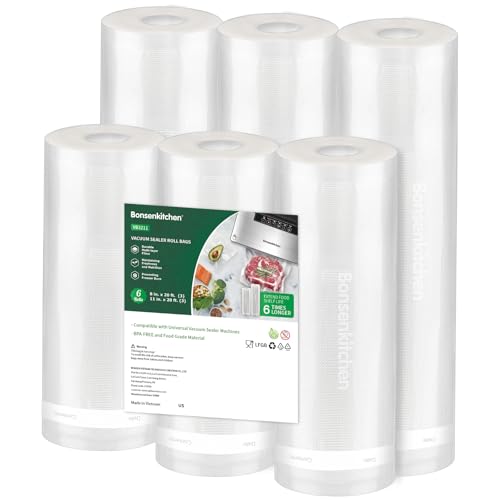
BPA FREE: Bonsenkitchen vacuum food sealer roll bags can be microwaved, frozen, re-used, washed, boiled and dishwasher safe. Allows you to precisely control your cooking temperature to achieve perfect results. You can cook sous vide in Bonsenkitchen bags by placing them in water at any temperature up to 230°F/110°C

Package Include: 5 identical size foldable Food Storage Bags. Folds flat when empty for compact, space-saving storage, and features a built-in handle for easy carrying and hanging. Ideal for storing water, grains, snacks, and more, making them a must-have for outdoor adventures and home use
How to Freeze Smoked Fish Without Losing Shelf Life
A few simple steps let you freeze smoked fish while preserving its flavor and texture. First, wrap each piece tightly in plastic wrap or foil, ensuring no gaps, then place it in a freezer‑safe bag. Use airtight packaging methods to block moisture and odors. Next, apply vacuum sealing techniques: a vacuum sealer removes air, creating a tight seal that prevents oxidation and microbial growth. Store the sealed bags at –20 °F or lower, preferably in an air‑blast freezer for rapid, uniform freezing. If you want extra protection, dip the wrapped fish in ice water repeatedly until a thin ice glaze forms, then re‑seal. To prevent condensation and temperature fluctuations, ensure your smoked fish is completely cooled before placing it in the freezer. Label each package with the date; vacuum‑sealed fish can retain quality for up to six months. Freezer storage can keep smoked fish safe for up to three months without significant quality loss.

【Suitable for two types of Mason jars】The electric Mason jar vacuum sealer contains two sizes of mouth seals for your daily use. To get the standard mouth seal jar, simply insert the red arrow on the standard mouth seal converter, align it with the unlock symbol on the main unit and then insert it inside the silicone ring in the wide mouth seal area and tighten it clockwise, at this point the arrow is aligned with the lock symbol, which indicates a successful installation.

【Powerful 75KPA Fast Sealing】 Seals food in 10-15 seconds (75KPA strong suction) - 3X faster than standard sealers. Deep air channel technology ensures 100% airtight seals every time

Fully Automatic Operation: Fresko fully automatic vacuum sealer, includes 10 pre-cut bags, 140W power, dry & moist modes and bag-mouth clamp (prevent bag from moving for a better seal). The food sealer machine is Ideal for meal prep, food storage, and sous vide cooking
How to Spot Spoilage in Smoked Fish?
After sealing and freezing your smoked fish, you’ll need to know when it’s gone bad. Spotting spoilage hinges on clear shelf life indicators. Look for discoloration: a greenish tinge, dull surface, or pink flesh darkening to red. Gills that shift from bright red to brown or green signal decay. A milky‑white slime or grey lines on salmon flesh also flags trouble. Texture changes matter—slimy, soft, tacky, or mushy flesh, loss of elasticity, and an opaque appearance are warning signs. Odor is decisive: strong fishy, sour, ammonia‑like, or metallic smells indicate food safety concerns. Bones that detach easily, eyes turning milky, or any mold in the package confirm spoilage. Combine these cues before consuming. Proper storage involving consistent refrigeration temperatures and minimizing cross-contamination is critical for maintaining smoked fish quality and safety. Vacuum‑sealed hot‑smoked salmon can be stored for nearly six months in a freezer.
How Long Do Different Fish Species Keep Their Shelf Life When Smoked?
Smoked fish’s shelf life varies by species and smoking method, so you’ll need to match storage guidelines to each type. Cold‑smoked salmon, cured with low‑temperature smoking, stays unopened for up to one week past the printed date and opened for 4‑7 days; home‑smoked batches can reach 14 days in the fridge. Hot‑smoked salmon, benefitting from higher smoking times (≈120 °F), lasts unopened for two weeks and sealed for about ten days, with the same 4‑7‑day window after opening. When smoking salmon at home using a pellet smoker set between 275–300°F, a salmon fillet typically reaches safe internal temperature in about 1 hour. General smoked fish follows a 7‑10‑day unopened fridge range, extending to one‑to‑two weeks when vacuum‑sealed. Once opened, expect 2‑5 days before spoilage accelerates. Freezing any species in airtight containers preserves quality for up to six months, regardless of curing techniques. Proper packaging such as vacuum sealing can extend shelf life by reducing exposure to air.
7 Hacks to Extend Smoked‑Fish Shelf Life
You can keep smoked fish fresh longer by mastering temperature control, airtight packaging, and timely freezing. Maintain 38°F (3°C) or lower right after smoking; a dedicated cabinet at –2°C to 0°C maximizes shelf life. Vacuum‑seal promptly to block air exposure impact, which otherwise accelerates oxidation and microbial growth. Store vacuum‑packed fish at refrigerated temperatures for two to three weeks, or freeze immediately to extend life to two to three months—up to two years if frozen solid. If you must use air packaging, guarantee water‑phase salt exceeds 3.0 % to achieve microbial inhibition effects without refrigeration. Regular salt testing validates safety. Combine dry‑brine curing with smoking, then keep the product refrigerated during the curing window for ideal preservation. Similar to smoking ham at low to medium temperatures, the smoking process for fish historically allowed the product to be stored for long periods before refrigeration. Smoking historically allowed fish to be stored for long periods before refrigeration.