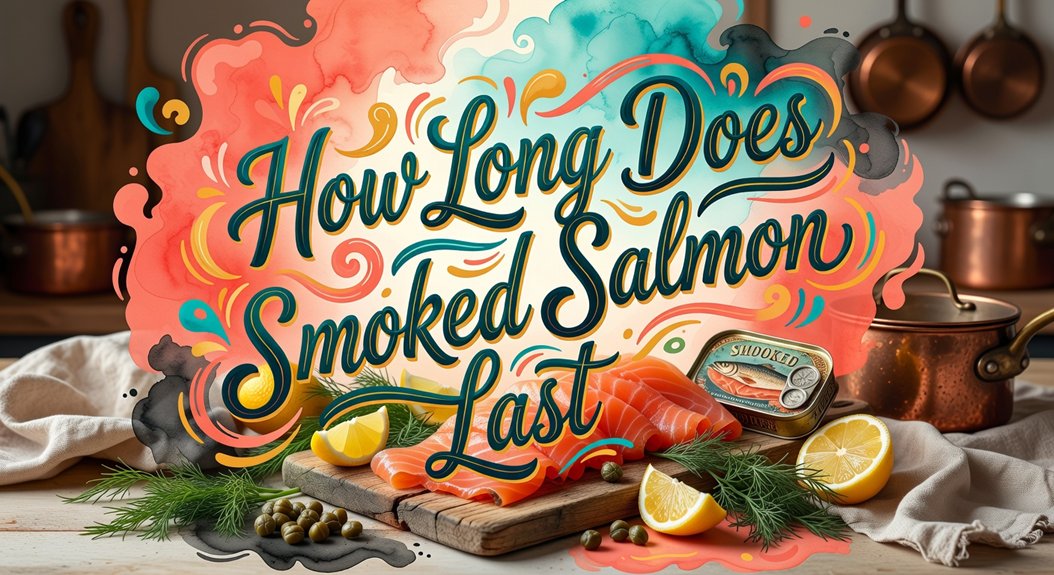
You can keep unopened smoked salmon fresh for up to two weeks if you refrigerate it at 32‑38 °F in its vacuum‑sealed package, and it may stay safe a week past the printed date depending on the type. Once opened, wrap it tightly and store it in the coldest part of the fridge; it will stay good for 3‑5 days, sometimes up to a week. For longer storage, freezing is an option, and the next sections explain how to freeze, thaw, and spot spoilage.
Check Smoked Salmon Shelf Life at a Glance
Wondering how long smoked salmon stays fresh? You can gauge its shelf life at a glance by checking packaging dates and storage conditions. Unopened, it lasts 1–2 weeks in the fridge, often up to a week past the printed date for some types and two weeks for others, provided you keep it at 32–38 °F in the coldest compartment and maintain vacuum‑sealed packaging. Once opened, wrap it tightly and store it in the back of the bottom shelf; expect 3–5 days for optimum quality and up to a week on average. To prevent spoilage and the growth of harmful bacteria, ensure proper packaging and hygienic handling. In the freezer, airtight packaging extends life to 6 months, though fatty salmon may lose flavor after 3 months. Follow Home smoked salmon safety guidelines, and consult Smoked salmon nutrition facts for protein, omega‑3s, and sodium content to guarantee safe consumption. Proper vacuum sealing is essential for extending shelf life.
Cold vs. Hot Smoked Salmon: Shelf‑Life Comparison
How does the smoking method affect your salmon’s shelf life? Cold‑smoked salmon, cured below 90 °F, stays raw and loses freshness faster; unopened it lasts up to one week past the printed date, opened 4–7 days in the fridge, and up to six months frozen if airtight. Hot‑smoked salmon, heated above 120 °F, is pasteurized, giving it up to two weeks unopened, the same 4–7 days opened, and 2–12 months frozen. The smoking process variations drive these differences: higher temperature extends shelf life, while lower temperature preserves a delicate texture but shortens it. When using a pellet smoker at the recommended temperature, your hot‑smoked salmon becomes fully cooked and moist, which contributes to its extended refrigerated shelf life. Health impact considerations remain identical for both—check smell, texture, and color before consumption. In the freezer, cold‑smoked retains quality for three months, hot‑smoked for three months before flavor declines. Mold growth is a clear indicator of spoilage and should be discarded immediately.
Store Unopened Packages of Smoked Salmon Properly
Because cold‑smoked salmon loses freshness faster than hot‑smoked, keeping unopened packages under strict refrigeration is key. You should refrigerate the sealed pack within three hours of purchase and keep it at 0–3 °C (32–37 °F). Store the package in the coolest part of the fridge, away from the door, light, and heat sources, to maintain a continuous cold chain. Do not open the vacuum‑sealed bag; any exposure to air disrupts pressure packed storage and accelerates spoilage. Proper pellicle formation during the smoking process helps protect the salmon from moisture loss and extends its shelf life. Follow the reseller‑printed use‑by date, but note that unopened vacuum‑sealed salmon can remain safe for up to two weeks, with peak flavor lasting 7–10 days. Check for off odors or discoloration before you eventually. Freezing preserves quality for up to 6 months in airtight containers.

Responsibly Farmed or sustainable wild-caught

Farmed in norway

This product is Marine Stewardship Council (MSC) certified. In order for a fishery to earn MSC certification, they’re evaluated by an independent third party in accordance with the MSC Fisheries Standard for healthy fish populations and ecosystems, and effective management.
Store Opened Packages to Keep Smoked Salmon Fresh
If you’ve already opened a package of smoked salmon, keep it at 32‑38 °F in the coldest part of the fridge—typically the back of the bottom shelf—away from the door where temperatures fluctuate. Immediately wrap the fish tightly in plastic wrap, expelling as much air as possible, then place it in an airtight container or a sealable bag. For extra protection, add a layer of aluminum foil or freezer paper; vacuum‑sealing double‑wrapped portions further limits oxidation. Monitor temperature daily with a fridge thermometer to maintain proper temperature monitoring; any rise above 38 °F accelerates spoilage. Store the wrapped salmon away from strong odors and raw foods, and consume within 3‑5 days for optimal texture and flavor. Minimizing cross-contamination between smoked salmon and other foods is essential for maintaining quality and safety. Cold smoked salmon has a shorter shelf life than hot smoked salmon.

【BPA FREE】Bonsenkitchen food sealer bags can be microwaved, frozen, re-used, washed, boiled and dishwasher safe. Allows you to precisely control your cooking temperature to achieve perfect results. You can cook sous vide in Bonsenkitchen bags by placing them in water at any temperature up to 195°F/90°C.


【50PCS 8“×12“ Inch Popular Sealer Bags for Food Storage 】Universal Design Precut Vacuum Sealer Bags is perfect for single portion or small or medium sized cut foods, you can portions food from bulk shopping, or store leftovers for an individual portion. That helps you save not just time and works, but money too.
Freeze & Refreeze Smoked Salmon: Portioning, Wrapping, and Thawing Tips
When you plan to keep smoked salmon for later meals, start by cutting it into single‑serving portions and wrapping each piece tightly in plastic wrap or cling film before sealing it in a freezer‑safe bag or vacuum‑sealed pouch. Portion thin strips or small cubes to fit one meal, then stack them on cling film, using excess film to block air. Vacuum‑seal or double‑wrap with aluminum foil to maximize storage capacity and preserve texture and flavor. Freeze at 0°F (‑18°C) or colder, label with date, and keep away from strong odors. Properly wrapped smoked salmon can be stored in the freezer for up to three months when minimize air exposure is prioritized to avoid freezer burn. Thaw only what you need, either overnight in the refrigerator or in a sealed bag submerged in cold water, changing it every 30 minutes. Never refreeze after thawing; consume immediately to maintain quality. Use an airtight container to protect the salmon from freezer burn and preserve flavor.

These plastic vacuum seal bags can be used to store fruits, vegetables, meat, duck's neck and other foods as you like. It also ideal for storing, packaging, sampling, displaying, kitchen storage or home organization.
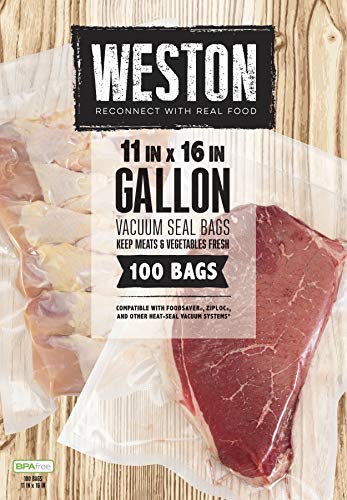

Professional Results: Designed for hunters and master chefs, our vacuum bags feature an innovative parallel channel design that prevents hidden air pockets and ensures optimal vacuuming.
How to Spot Spoilage Before It Becomes a Health Risk?
Spotting spoilage early prevents food‑borne illness, so you should examine smoked salmon’s color, odor, and texture before each use. Look for visual cues for freshness: vibrant pink or orange should remain; dull, grayish tones, dark spots, green patches, or any mold indicate decay. A slimy film or white filmy substance signals bacterial breakdown. Touch the flesh—firm, smooth feel is normal; overly dry edges, mushiness, or stickiness reveal spoilage. Rely on olfactory indicators of spoilage: a mild smoky aroma fades, replaced by sour, ammonia‑like, or overly fishy smells. Any strong, unpleasant odor that wasn’t present initially flags danger. When these signs appear, discard the salmon to avoid Salmonella, Clostridium botulinum, or Staphylococcus aureus exposure. Similar to cooked chicken, smoked salmon should be kept at or below 40°F to maintain freshness and prevent bacterial growth. Store the salmon at very cold temperatures to maintain freshness.
Vacuum‑Sealing & Odor‑Proof Storage to Extend Shelf Life
Detecting spoilage is only half the battle; keeping smoked salmon fresh longer hinges on how you store it. Vacuum‑sealing creates an anaerobic environment that satisfies airtight packaging requirements and dramatically slows microbial activity. Follow USDA‑FDA microbe prevention measures by keeping the sealed package at 0–3 °C (32–37 °F) in the refrigerator; unopened vacuum‑sealed salmon stays safe for up to 14 days, and hot‑smoked varieties may last 20 days past the printed date. If you transfer the fish, wrap it tightly in plastic and place it in an airtight container to maintain the same protection. Immediately reseal any opened package and return it to the fridge to limit bacterial growth. Proper storage complements the internal temperature guidelines essential to smoking salmon correctly, ensuring your fish maintains quality throughout its shelf life. For longer storage, freeze the vacuum‑sealed portion, which preserves quality for up to six months. Unopened smoked fish can typically be frozen for up to 2 months for optimal quality.
Your Top Smoked Salmon Shelf‑Life Questions Answered
If you’re wondering how long smoked salmon stays safe and tasty, the answer hinges on type, packaging, and storage conditions. Cold‑smoked salmon lasts up to one week refrigerated, hot‑smoked up to two weeks, and unopened vacuum‑sealed packs can stretch two to three weeks. Opened packs should be wrapped tightly and used within three to seven days; freeze for longer storage—cold‑smoked retains quality for a month, hot‑smoked for two to twelve months, and general smoked salmon up to six months, with ideal taste in the first three months. Watch for discoloration, slime, or off‑odors as spoilage signs. Proper airtight wrapping, coldest fridge placement (32‑38 °F), and portioned freezing preserve protein content and nutritional benefits while minimizing waste. For best results, consider using wood pellet choices like alder or applewood to enhance flavor during the smoking process. Cold‑smoked salmon can be vacuum sealed for freezing.