Smoke a 1‑inch salmon fillet at 300 °F for about 20‑30 minutes. You’ll see the flesh turn opaque, flake easily, and hit the USDA‑safe 145 °F internal temperature when a quick probe confirms it. Keep the grill preheated, use a blend of alder,apple, and cherry pellets for a balanced smoke, and resist the urge to flip—this preserves moisture and flavor. If you catch it early at 140 °F, let it rest before serving, and the next steps will show you how to fine‑tune thickness, timing, and flavor.
How Long Does a 1‑Inch Salmon Fillet Need at 300 °F?
When the smoker hits a steady 300 °F, a 1‑inch salmon fillet will need roughly 20‑30 minutes to reach perfect doneness. You’ll feel the heat humming as the water pan temperatures stay stable, keeping the air moist and the flesh tender. Begin with a quick smoker calibration: set the dial, let the chamber settle, then verify with a probe. After fifteen minutes, slide an instant‑read thermometer into the thickest spot every ten minutes. Watch the pink, flaky texture emerge around the 25‑minute mark, and trust the flake test—if the flesh pulls apart easily, it’s done. Let the fillet rest on a rack for five minutes; the carry‑over heat finishes the final rise, locking in flavor. Season the fillet with kosher salt and pepper before smoking. Remove the salmon when it reaches an internal temperature of 145°F, as recommended by the FDA for food safety.
Why the USDA Says Salmon Is Done at 145 °F Internal Temperature
Ever wonder why the USDA insists on a 145 °F internal temperature for salmon? You’ll notice the flesh turn opaque, then flake easily under a fork, a sign that harmful bacteria and parasites have been destroyed. This benchmark meets food safety standards, protecting you from foodborne illness that can linger below 145 °F. While chefs may chase softer, medium‑rare textures, the agency prioritizes health over texture preferences. At 145 °F the salmon is firm yet flaky, the sweet, smoky aroma still vivid without the risk of undercooking. Overheating beyond this target can cause albumin leakage, which results in dryness and diminished quality. Trust the guideline: it guarantees a safe, reliably cooked fillet every time you smoke at 300 °F. Using a digital instant‑read thermometer ensures you accurately reach the safe temperature every time.
Adjust Cooking Time for Thicker or Thinner Smoked Salmon Fillets
If you’re tweaking the smoke at 300 °F, the fillet’s thickness is the key to timing: thinner cuts finish in under an hour, while anything over an inch needs extra minutes. Feel the heat kiss the salmon, then gauge each thickness increment. For a ¾‑inch piece, set a timer 10‑15 minutes short of the one‑hour benchmark; watch the flesh firm up and use a probe to catch 145°F early. For a 1½‑inch fillet, add 20‑30 minutes, letting the temperature rise gradually to avoid albumin bleed. You can make temperature adjustments—lower the smoker to 275 °F for very thin slices, or raise it to 300 °F for thicker ones—always checking the thickest spot until it hits 145°F before resting. Pellet smoker provides a consistent wood‑smoked flavor that enhances the final dish. Consider drying the salmon beforehand to form a pellicle for better smoke adhesion, which will improve the overall texture and flavor of your smoked fillets.

SIGNATURE BLEND WOOD FIRED FLAVOR: The flavors of hickory, maple, and cherry hardwoods combine for in our Traeger Signature Blend Hardwood Pellets for flavor that can take on just about anything you cook; From classic BBQ meats, to fish and veggies, this versatile blend gives you full-bodied flavor you'll go back to time and time again

KINGSFORD CRAFTSMOKE PREMIUM WOOD PELLETS: Introducing Craftsmoke, the premium line of natural hardwood pellets, crafted in small batches for the chef in all of us; pack may vary

Made In the USA: Celebrate homegrown quality with these premium wood chips made in Arkansas and Missouri
Pre‑Heat Your Pellet Grill to the Ideal 275‑300 °F Range
Even before the first wisp of smoke curls from the auger, set your pellet grill’s dial to the 275‑300 °F range and press ignite; within a few minutes the fan will roar, the hot rod will spark the firepot, and you’ll feel the grill’s metal warm up as the pellets begin to feed. Understanding preheat cycle means watching the lid open for five minutes while the fire establishes, then closing it and letting the grill stabilize for another ten. A clean grill, mild weather, and a model like the Traeger Pro 780 will hit 300 °F in 13‑14 minutes, while larger Timberline units need 30‑45 minutes. Verifying your pellet hopper fill before starting ensures consistent heat output throughout the preheat process. Attaining desired preheat temperature guarantees steady auger feed, minimal smoke, and even heat before you lay the salmon on the rack. Proper ignition is essential to prevent temperature swings and flame‑outs.

✅[ Easy Temperature Reading ] - 3 3/16'' Large Dial BBQ Grill Smoker Thermometer with enlarged degree scales and numbers , easy to read even from far away. Perfectly fits for most smokers or grills with a 3/8 inch opening or hole

The smoker thermastat, bbq thermometer gauge has a 13/16" mounting hole for 1/2 NPT inserting on the grill lid. Thermometer gauge Replacement for all Oklahoma Joe's grills, and Masterbuilt, Pit Boss, Char-Griller, Dyna-Glo, Charbroil and most smoker grills. BBQ pit thermometer gauge replacement parts for oklahoma joes smoker thermometer, oklahoma joe smoker thermometer, oklahoma joe smoker accessories.

Precision Fit: Grill Temperature Probe Designed specifically for Z-Grill 700 Series pellet grills, this split RTD probe (ZG-RTD-2) is fully compatible with models 700C, 700D6, 7002B, 7002E, 700D, and 700E, precisely restoring the performance of the temperature control system
Best Wood Pellets for a Balanced Smoked Salmon Flavor
After the grill steadies at 300 °F, you can focus on the wood pellets that will shape your salmon’s flavor. Choose alder pellets for a subtle, delicate smoke that lets the fish’s natural richness shine, especially during long sessions. Pair a touch of apple for a mild, fruity, sweet note that adds a gentle crust without overwhelming the flesh. Mix in cherry to introduce a sweet smoke profile and a hint of red hue, enhancing the buttery texture. For a balanced, medium‑strength finish, blend maple for its mellow sweetness and golden color. Understanding burn characteristics of different pellet types will help you maintain consistent temperature and smoke quality throughout your cooking process. Combine these wood pellet blends in a 2‑1‑1 ratio (alder‑apple‑cherry) to achieve a layered, nuanced smoke that complements the salmon perfectly. Cold‑smoked salmon requires low temperatures and a longer cooking time to develop deep flavor.

ADDED FLAVOR - Elevate your meals with both subtle smoky taste and fresh wood Western Red Cedar flavor. Great on Salmon, Pork, even grilled fruits and veggies

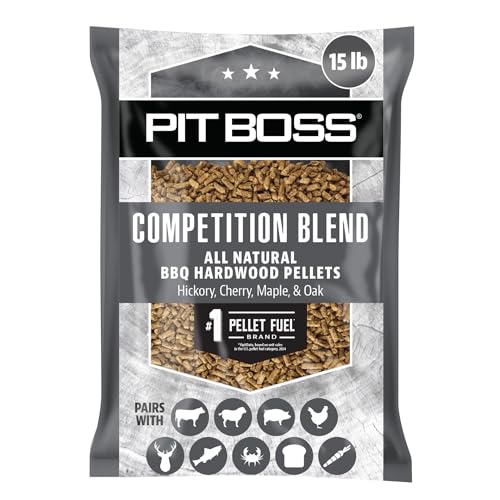
Pit Boss pellets are the #1 pellet fuel brand* Americans trust
Prepare Smoked Salmon Fillet: Rub, Skin‑Side Placement, Probe
When the grill steadies at 300 °F, pat the salmon dry, then drizzle a thin coat of teriyaki across the flesh side before sprinkling your dry rub—paprika, garlic powder, sea salt, black pepper, and a touch of brown sugar—pressing it gently into the meat. The teriyaki adds a glossy base, while the rub creates flavor layering and aids moisture retention. Lightly oil the skin, then set the fillet skin‑side down on the pre‑heated grates, ensuring full contact for an even smoke kiss. Insert an instant‑read probe into the thickest part, watching for 145 °F. Keep the skin down throughout; this prevents sticking, locks in juices, and lets the smoke weave through every bite. For any leftover smoked salmon, cool completely before freezing to prevent condensation and maintain quality. Remove all pin bones before cooking to avoid any unexpected crunch.
Don’t Flip Your Salmon While It Smokes – Here’s Why
Because the skin stays down, the salmon keeps its natural oils from dripping into the fire, so you preserve both flavor and moisture. You’ll notice the slick skin forming a barrier that prevents peeling and retains moisture while the smoke curls around the fillet. Lightly oil the skin before placing it on the rack; this stops sticking and lets you lift the fish cleanly without tearing. The pellicle, a tacky film that forms during the air‑dry, clings to smoke, delivering a deep, aromatic crust. Keep the smoker at a steady 300 °F, resist the urge to flip, and let the heat travel uniformly through the flesh. The result is a succulent, evenly cooked piece that stays juicy and intact. Avoiding flipping also eliminates the need for grill marks, preserving the pure, unadulterated salmon flavor. When your salmon reaches an internal temperature of 125°F to 130°F, you’ll know it’s perfectly cooked and ready to rest before serving.
Monitor Internal Temperature of Smoked Salmon With a Probe
The slick skin you left down while smoking now serves as a perfect anchor for the thermometer probe, letting you slip it into the thickest part of the fillet without disturbing the delicate crust. You aim for a probe insertion depth that reaches the center, avoiding bone and fat pockets, then push the needle horizontally for an even read. Once the tip settles, give the temperature recording method a few seconds to stabilize; a quick glance at the calibrated digital display tells you if you’re in the 120‑135 °F sweet spot or edging toward 145 °F. Use a sanitized dual‑channel alarm to track both smoker air and fish, and set a low alert at 150 °F to prevent overcooking. For the most reliable results, choose a thermometer with fast response time to ensure accurate readings throughout the smoking process. This tactile, precise monitoring keeps the flesh buttery and opaque. Proper temperature is critical for food safety and quality.
If Salmon Hits 140 °F Early, What to Do?
If your salmon reaches 140 °F before the smoking time is up, pull it from the heat immediately and let it rest; the residual heat will add another 5‑10 °F, bringing the final internal temperature into the safe, juicy range without overcooking. You’ll notice the flesh firming gently, the surface glistening with a thin veil of caramelized glaze. Immediately Remove from smoker early and place the fillet on a cool rack, allowing the steam to settle and the skin to stay supple. After a brief 5‑minute pause, Cool then resmoke at a lower ambient 150‑170 °F if you crave extra smoke depth, keeping the thermometer set low at 140 °F. This controlled pause preserves moisture, prevents white albumin bleed, and yields a buttery, flaky texture ready for serving. The pellicle formed during the cure helps the fish retain moisture and aids smoke penetration. Using wood chips like apple or cherry will enhance the smoke flavor during any resmoke phase while maintaining the delicate balance of the fish’s natural taste.
Rest and Serve Smoked Salmon for Moisture and Flakiness
Pull the fillet off the smoker and let it rest on a cooling rack for an hour before you refrigerate it; this pause lets the internal heat settle, locking in juices and allowing the thin pellicle to seal the moisture. The ideal rest duration of one hour for hot‑smoked salmon, or twenty‑four hours for cold‑smoked, lets proteins firm while the flesh stays tender and flaky. While it cools, you’ll notice the subtle aroma of smoke lingering, the surface glistening with a faint sheen. After refrigeration, slice thinly with a flexible carving knife, arranging ribbons on a chilled plate. A thoughtful serving presentation—bright herbs, citrus wedges, and a drizzle of olive oil—highlights the moist, flaky texture and keeps every bite succulent. Alder wood imparts a gentle, sweet flavor that enhances the overall taste, and understanding wood flavor profiles helps you select the best smoking wood for your preferred results.