You’ll need roughly five hours at a steady 250 °F for a one‑inch‑cut slab, checking the internal temperature at the two‑hour mark and spritzing hourly to keep the meat moist. If you wrap the ribs after they hit 160 °F (the Texas crutch), you’ll shave off an hour or two, but the bark will be a bit softer. Expect the ribs to reach a tender 203‑205 °F before a brief 20‑30‑minute rest, and the rest of the guide will show you how to fine‑tune each step.
How Long Does It Really Take to Smoke Beef Ribs?
Even though the clock ticks, the real timer for smoking beef ribs is the meat’s thickness, not just the poundage. You’ll feel the heat as the grill hums, and you’ll watch the bark develop a deep mahogany hue—your ideal target smoke color. For a one‑inch cut, plan roughly five hours at 250°F, checking temperature at the two‑hour mark and spritzing hourly to keep moisture alive. A 1.5‑inch slab stretches to about seven hours, while a five‑pound plate needs almost five hours total at the same temp. Consistency matters: aim for a steady smoke duration, and stop when the thickest part hits 203‑207°F. Wrap at 170°F, then finish to tenderness before a 30‑minute rest. Using woods like hickory, oak, or mesquite will enhance your smoke flavor throughout the cooking process. Plate ribs are the ideal cut for smoking because they have a larger piece of meat on the bones, making them more flavorful.
Best Temperature Range for Smoking Beef Ribs
A solid temperature window for smoking beef ribs sits between 225 °F and 275 °F, giving you the low‑and‑slow heat that renders fat while preserving a juicy interior. Aim for an ideal smoker temperature around 250 °F for steady cooking; this spot balances smoke flavor and bark formation. Keep an eye on temperature control considerations—use a reliable probe, avoid opening the lid too often, and adjust vents gradually to stay within the range. At 225 °F you’ll start probing around 180‑190 °F internal, while 275 °F caps the maximum for back and plate ribs. Consistency is key: a steady 250 °F lets the meat melt into tenderness, and you’ll feel the bark’s caramelized crust and the meat’s juicy softness as the internal temperature climbs toward 203‑210 °F. Remember that meat will experience a stall phase where temperature plateaus due to evaporative cooling, so patience is essential during the smoking process. The membrane removal step is essential before seasoning to ensure the rub penetrates the meat fully.
Step‑by‑Step Timeline for a Classic Low‑and‑Slow Smoke
With the smoker holding a steady 275 °F, you’ll move from setting the perfect temperature range to the hands‑on timeline that brings those ribs to life. First, after removing the membrane, you apply the salt‑and‑pepper rub using proper rub application techniques—pressing the seasoning into every crevice. Let the ribs rest 30 minutes, then place them bone‑side down. The first hour builds bark; avoid spritzing while the smoke ring development techniques begin. Hours 2‑3: spritz hourly with apple cider vinegar, keeping the smoker at 250‑275 °F, watching the bark thicken. Hours 4‑6: continue low‑and‑slow, spritz every two hours, checking for tenderness at 165‑175 °F. After hour 7, smoke until the internal temperature reaches 203‑205 °F, then rest for 20‑30 minutes covered loosely to retain juiciness before serving. The rendered fat from beef back ribs is almost indistinguishable from brisket, adding a rich, melt‑in‑your‑mouth quality.
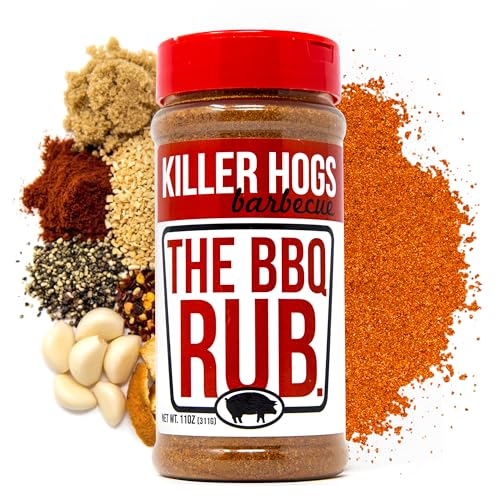
CHAMPIONSHIP PITMASTER FLAVOR: Created by the Killer Hogs Championship BBQ team, this legendary Killer Hogs BBQ Rub delivers a balance of sweetness, spice, and a subtle kick; This BBQ seasoning is ideal for beef, ribs, steak, burgers, pork, and chicken

TEXAS-MADE: Crafted by BBQ expert Jess Pryles, this activated charcoal rub delivers bold flavor for steak, brisket, and burgers. Proudly made in Texas with premium ingredients for authentic grilling.
One 25 ounce container of Smoked BBQ Rub & Seasoning
When and Why to Wrap Beef Ribs (Texas Crutch) and How It Changes Timing
Wrap the ribs once the smoke has built a solid bark—usually after 2–3 hours at 275 °F and when the meat hits about 160 °F. At that moment you’ll seal in moisture, tenderize connective tissue, and keep the bark from turning bitter. Use butcher paper or foil, then tuck the edges tight; this is the core of improving wrap techniques. The crutch cuts the remaining cook time by 1–2 hours, so you’ll reach the coveted 190‑192 °F in roughly another 2‑3 hours, for a total of 5‑6 hours at 275 °F. Optimizing wrap timing at the 160 °F mark preserves smoke flavor while delivering juicier, more tender beef ribs without the risk of a dry, over‑cooked exterior. Accurate temperature monitoring ensures you wrap at the ideal moment to balance tenderness with smoke penetration. Unwrapped ribs have more pronounced flavor.

【PREMIUM NATURAL QUALITY】Made from premium virgin pulp, our butcher paper is unwaxed, uncoated, and unbleached for a natural and pure product. Ideal for grill masters seeking top-notch, food-safe paper to enhance their culinary creations.

【Upgraded Safe Carton Packaging】Carton with fixed dotted serrated cutter, small smooth edges (safe to touch, no cut risk), one-hand easy tear, no waste, neat storage.

SUPERB NATURAL QUALITY - Unwaxed, uncoated, and unbleached butcher paper made out of the finest virgin pulp. Our food grade paper is essential for grilling and barbecuing enthusiasts who want to elevate their cooking game to the next level.
Monitoring Internal Temperature While Smoking Beef Ribs
Now that the bark’s set and the ribs are snug in their wrap, you’ll start checking the meat’s core temperature to gauge tenderness. Slip the instant‑read probe into the thickest section between the bones—this internal probe placement avoids bone contact and yields an accurate temperature reading. Watch the display as it climbs past 170°F, then 190°F, feeling the heat radiate through the foil. When the needle steadies around 200‑210°F, the meat should yield like butter under a gentle press. Keep the smoker steady at 225°F, and if you see the reading linger at 203°F, you’re in the sweet spot. Trust the numbers, not just the look, for perfect ribs. Using a remote temperature probe minimizes the need to open your smoker during the cooking process. Butcher paper wrapping helps retain moisture while allowing the bark to stay firm.
Why 203 °F Gives You Melt‑In‑Your‑Mouth Ribs
The magic of melt‑in‑your‑mouth ribs happens when the internal temperature hits 203 °F, because at that point the collagen in the beef has fully converted to gelatin, turning tough connective tissue into silky, juicy strands. You’ll feel the meat give way under a gentle press, and the aroma shifts from smoky to buttery, rich, and sweet. An affordable smoking appliance paired with the ideal cooking vessel lets you maintain a steady smoker temp of 275‑300 °F, so the ribs climb to 203 °F without a wrap‑hold. As the heat penetrates, the collagen unravels, creating a melt‑in‑your‑mouth texture that’s both tender and juicy. Rest the rack an hour in a cooler; the gelatin continues to set, sealing flavor and moisture. The collagen begins to melt at 170 °F and accelerates as temperature rises, ensuring the connective tissue breaks down fully by the time it reaches 203 °F.
How Spritzing and Bark Formation Affect Total Cooking Time
When the smoke first hits the ribs, a dark, caramelized bark begins to form, and around the 170 °F internal mark it’s solid enough to seal in juices while still letting moisture escape. You’ll notice the bark’s crunch develop after about 2.5 hours at 250 °F, signaling that the fat is rendering and the surface is ready for spritzes. Begin spritz timing considerations after the initial three‑hour smoke, using a vinegar‑hot‑sauce mix every 45 minutes to an hour. This keeps the bark moist without adding significant time, extending the total cook to 8‑10 hours until the ribs hit 203 °F. The bark impact on cooking time is minimal; it mainly protects flavor while you maintain a steady internal rise. Maintaining proper grill vent adjustment throughout the cook helps preserve consistent smoke and heat around your meat. Use heavy smoking wood such as post oak, hickory, or mesquite for optimal flavor development.
Resting Smoked Beef Ribs: How Long and Why It Matters
Your ribs have already built a deep, caramelized bark, and the smoke’s work is done—what follows is the rest that locks in that flavor. Wrap them tightly in butcher paper, then let them sit for at least 20 minutes if you’re short on time. For ideal tenderness, aim for a 30‑45‑minute rest at room temperature, still wrapped, or place the bundle in an insulated cooler for a full hour. During this period, keep an eye on the internal heat; resting temperature monitoring should show the meat staying above 140 °F until you slice. This pause lets carry-over cooking finish collagen breakdown, redistributes juices, and preserves the crisp bark you fought for. Precise temperature control during the resting phase ensures your beef ribs maintain their quality just as it does when smoking other cuts like brisket. Adjust the duration expectations to match your schedule, but never let the ribs drop below 140 °F for extended rests. The fat content in beef short ribs ensures every bite remains rich and juicy during the rest.
Quick‑Cook Shortcuts for Smoking Beef Ribs: High Heat or Pressure‑Cooking
A quick‑cook shortcut can shave hours off a traditional smoke while still delivering that deep, caramelized bark you crave. You’ll start by seasoning the ribs with salt, pepper, and Ancho chili powder, then brown them in a sauté pan with a splash of oil for that rich, smoky aroma. Transfer the ribs to a pressure cooker, add a half‑cup of broth and a trivet, and set the instant pot to high pressure for 25 minutes, followed by a 15‑minute natural release. Once the meat is tender, finish it with instant pot finishing: broil bone‑side down for five minutes or air‑fry at 400 °F for seven to ten minutes until the bark crackles and the juices caramelize. For optimal tenderness, cook to an internal temperature of 205°F rather than relying solely on time. The result is smoky, fall‑off‑the‑bone beef in under an hour. Instant Pot can also be used to quickly tenderize the ribs before smoking.
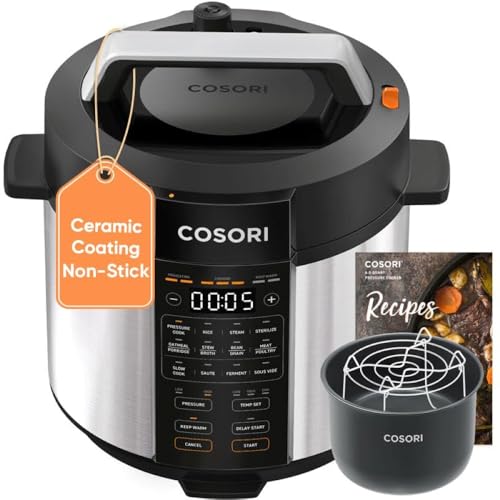
𝟵 𝗠𝗮𝗰𝗵𝗶𝗻𝗲𝘀 𝗶𝗻 𝟭: Pressure Cook, Rice, Steam, Sterilize, Oatmeal/Porridge, Stew/Broth, Bean/Grain, Meat/Poultry, Slow Cook, Sauté, Ferment, Sous Vide, Keep Warm

7-IN-1 FUNCTIONALITY: Pressure cook, slow cook, rice cooker, yogurt maker, steamer, sauté pan and food warmer.. PFOA/PTFE-free cooking.

7 Cooking Functions: Pressure cook, slow cook, sauté, steam, make rice, yogurt, or simply keep your meal warm—all in one appliance.
Troubleshooting Common Smoking Beef Rib Timing Issues
If you let the clock dictate your smoke, you’ll quickly discover that temperature, not time, decides whether beef ribs turn tender and juicy or dry and tough. Start by checking your smoker’s gauge; keep it steady at 275°F so the meat reaches 205°F in under four hours. When the heat dips below 250°F, the cook drags and the bark stays soft. Conversely, spikes over 300°F dry the surface and scorch the bark. Use a probe to monitor both smoker and meat, adjusting vents before alarms. Apply proper seasoning technique early, massaging the rub into the meat for flavor penetration. For achieving perfect bark, trim any creosote‑laden bark, choose lighter wood, and avoid over‑smoking; a clean, caramelized crust signals success. Slow, billowing smoke allows particulate to settle on meat causing bitter taste, so use thin blue smoke to maintain a nuanced flavor. Maintaining thin, blue smoke throughout the cooking process ensures better flavor development and prevents the harsh, bitter notes that result from thick white smoke.