You’ll need about 15 minutes per pound at 325 °F, plus an extra 20‑25 minutes for each pound over a standard 8‑lb ham, to hit a juicy 140 °F internal temperature. Start low at 225‑250 °F, smoke until the meat reaches 130‑135 °F, then crank up to 325 °F for the final crisp. Keep a probe thermometer handy, baste with glaze as you go, and let the ham rest before slicing. The next sections will walk you through sizing, smoker setup, and a two‑phase smoke‑and‑braise method.
Quick Answer: How Long to Smoke a Ham?
Ever wonder how long you’ll need to smoke a ham? Start by picking an ideal ham size that fits your smoker’s capacity; a 8‑10 lb piece usually hits the sweet spot. Preheat the smoker to 275‑300 °F, then set your smoke output levels low to medium for an even coat. Smoke the ham for roughly 10‑15 minutes per pound, aiming for an internal temperature of 140 °F if it’s already cooked. For an 8‑lb ham, that’s about 2½‑3 hours total. Keep a probe in the thickest spot, avoid the bone, and watch the thermometer. When you hit 140 °F, pull the ham, let it rest three minutes, then slice and serve. Consider applying a honey-based glaze between the spiral slices and on top during the smoking process to enhance flavor and create a caramelized texture. Place the ham flat meat side down on a cooking tray rack.
Select the Ideal Ham Size for Smoked Ham Sessions
After you’ve set the smoker and know the cooking time, the next step is picking the right ham size for your crew. For a boneless ham, aim for ½ lb per person if you want leftovers; a six‑person group needs about 3 lb, ten people 5 lb, and twenty people 10 lb. Bone‑in hams require more—¾ lb per person—so size up to 4.5 lb, 7.5 lb, or 15 lb respectively. Choose a spiral‑cut, pre‑cooked ham for easy slicing after smoke, and remember ham storage tips: wrap tightly and chill before smoking. Apply seasoning with a dry rub or glaze, using seasoning application techniques that coat every surface evenly for a fragrant, flavorful crust. Ensure your smoker is compatible with your grill setup and consider propane tank size if you’re using a gas-powered smoker for longer cooking sessions. Bone‑in half hams often weigh 6‑10 lb, making them a common choice for larger gatherings.

Premium Boneless Dinner Ham with Natural Juices
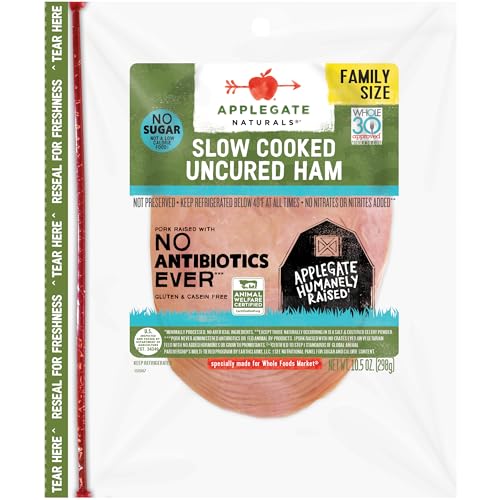
Applegate, Natural Uncured Slow Cooked Ham Family Size, 10.5oz

Applegate, Organic Uncured Slow Cooked Ham, 6oz
Set Up Your Smoker (Temp & Fuel Guidelines)
Ready to fire up your smoker? Preheat it to a steady 225 °F, letting the coals or gas settle into low indirect heat. Choose a solid wood quality selection—hickory or apple chunks work best—and add a chunk once the temperature steadies, then close the lid to evoke thick, aromatic smoke. Position your ham flat, meat side down, in an exposed aluminum pan or directly on the grates. Keep the fuel source configuration stable at 275‑300 °F for the glazing stage, monitoring with an air‑temp probe clipped to the smoker surface. Set alarms at 225‑250 °F for pit temperature and 270‑305 °F for air during glazing. When the initial smoke fades, raise the heat to 325 °F for the final covered cook, ensuring the internal ham temperature reaches 140 °F. Fully cooked hams only need to be reheated to an internal temperature of 140 °F for proper food safety. Consider applying a homemade glaze made from honey, brown sugar, and spices during the final stages of smoking for enhanced flavor.

Subtle Sweet flavor

3-FLAVOR VARIETY PACK: Includes Apple (sweet & mild), Hickory (bold & smoky), and Cherry (subtle & fruity) wood chips for ultimate grilling versatility

3-PACK VARIETY OF PREMIUM SMOKING WOOD CHIPS – Elevate every barbecue with this ultimate smoking wood chip bundle, featuring three 1.8 lb bags of premium, all-natural wood chips. Includes Hickory for bold, classic BBQ flavor, Applewood for a subtly sweet and fruity aroma, and Mesquite for deep, earthy smokiness—perfect for ribs, brisket, poultry, pork, seafood, lamb, and game meats. Ideal for use in charcoal grills, gas grills, electric grills, and smokers, this variety pack delivers rich, versatile flavor options for backyard BBQs, camping trips, and tailgates.
Two‑Phase Smoke & Braise Method
Now that the smoker is steadied at 225 °F, lay the ham cut‑side down on the grates and let it soak up the low‑heat smoke for about 1.5 hours, or until the thick drops reaches 130‑135 °F—roughly ten minutes per pound. Use smoke penetration tactics: position the ham where the airflow is strongest, keep the lid closed, and monitor the thermometer. When the internal temp hits 130 °F, move the ham to a 12‑inch cast‑iron skillet, pour a cup of chicken stock over it, and seal tightly with foil. Raise the smoker to 300 °F and apply proper braising technique, cooking 2–2.5 hours until the meat reaches 140 °F. For optimal results, allow the ham to rest after smoking before serving, which helps the juices redistribute throughout the meat. This two‑phase method builds deep flavor before the final glaze. Apply low heat to allow smoke flavor to work on the meat.

Homemade Favorites: The Lodge Seasoned Cast Iron Baker’s Skillet is designed for rolls, cobblers, breads, and everyday recipes fresh from the oven
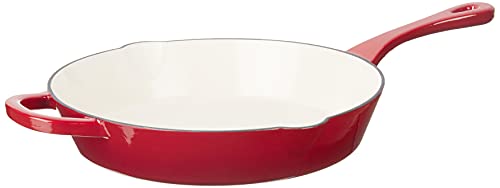
Distributes and retains heat evenly

Casserole cast iron skillet in white with loop side handles for easy transport
Calculate Extra‑Pound Smoked Ham Cook Time
Kick off the extra‑pound calculation by taking the base cooking time for your ham—say, 15 minutes per pound at 325 °F—and then tack on 20–25 minutes for every pound beyond the standard weight. First, weigh your ham on a kitchen scale; this lets you calculate weight based on duration accurately. If your bone‑in ham is 12 lb, start with 12 × 15 = 180 minutes, then add 2 lb × 25 ≈ 50 minutes, for a total of about 230 minutes. Pre‑heat the smoker to 250 °F, smoke for the first half, then raise to 325 °F for the finish. Throughout, monitor internal temperature during smoking with a probe in the thickest spot, avoiding bone contact, until you hit the safe 140 °F target. Like brisket smoking, precise temperature control and careful monitoring ensure the best results. Adjust in brief if the thermometer lags. Smoking adds flavor to the ham, and cured in brine helps retain moisture during the process.
Wrap or Crank Up Heat? Monitoring Guide
Ever wondered whether to keep your ham snug in foil or crank the heat for a caramelized finish? Start low and slow at 225‑250°F, tenting loosely with foil to lock moisture. When the internal read hits 130‑135°F, Unwrap for crisping and baste with glaze. Raise the smoker to a 325°F equivalent, keeping an eye on the meat. Monitor internal temperature with a dual‑probe or instant‑read thermometer, aiming for 140‑145°F in the thickest spot away from bone. Reapply glaze every 10‑15 minutes, then let the ham rest, loosely re‑tented for 10‑30 minutes. Use real‑time alerts to catch spikes, and verify multiple points before pulling the ham from heat. This rhythm preserves juiciness while delivering a caramelized crust. Testing for tenderness with a probe thermometer ensures your ham reaches the perfect doneness without overdrying. Bone‑in hams are preferred for better moisture retention and flavor absorption.
Avoid Common Smoked Ham Timing Mistakes
If you ignore the nuances of ham type, temperature, and timing, you’ll end up with a dry, under‑cooked roast that risks food‑borne illness. First, know your ham’s structure: bone‑in, boneless, or spiral‑cut each demands a different per‑pound schedule. Use 18‑20 min/lb for bone‑in, 10‑15 min/lb for boneless, and 10‑18 min/lb for spiral‑cut. Keep the smoker at a steady 250 °F, then raise to 325 °F for the final phase; this two‑stage approach cuts cooking time and guarantees a Proper internal temperature. Monitor with a thermometer placed in the thickest spot away from bone, and stop at 145 °F—never 140 °F. Consistent temperature control prevents fluctuations that prolong the cook and jeopardize safety. For extended smoking sessions, ensure you have adequate propane fuel available to maintain steady heat throughout the cooking process. Add a glaze after smoking to enhance flavor and moisture.
Rest, Glaze, and Slice Smoked Ham
You’ll want to let the ham rest, uncover, and slice in a precise sequence to lock in moisture and flavor. First, pull the ham at 100‑110 °F, then cover tightly with foil and let it sit at least 30 minutes; during this rest, successful carryover cooking will raise the internal temperature to about 140 °F, preserving juiciness. Next, apply a maple syrup baste at the 1‑hour‑45‑minute mark, then increase the oven to 450 °F for a 15‑minute final glaze, spooning the sauce repeatedly for an evenly glazed finish. After the glaze, lower the heat to 400 °F for 30‑45 minutes, then finish with a 5‑minute low broil to set a caramelized crust. Finally, reveal and let the ham rest another 15 minutes, then slice at room temperature, aiming for a 145 °F interior for ideal flavor and texture. Ham roast is already cooked.
Troubleshoot Low Smoke Output & Over‑cooking Smoked Ham
When the smoke stays thin or turns gray, the ham will dry out and develop bitter notes, so you must first diagnose the fire before the meat. Start by achieving consistent smoke output: pre‑burn charcoal in a chimney starter, ignite wood chunks separately, and keep vents open enough for a thin blue plume. Remove any black, grey, or white clouds that signal creosote or incomplete combustion, and clean ash buildup regularly. Choose a proper ham with ample fat; position the fat cap up, baste every 45‑60 minutes, and tent with foil if the exterior darkens early. Smoke at 225‑250 °F, monitor with a reliable probe, and limit lid openings. If the temperature spikes, lower it promptly to avoid over‑cooking. Rotate the ham halfway to counter hot spots, and keep the internal target at 140 °F for perfect juiciness. Use fruit woods like apple or cherry to add a sweet smoke that complements the glaze. Consider selecting lump charcoal or briquettes based on your desired burn time and heat output for consistent temperature control throughout the smoking process.