Smoke an 8‑lb spiral‑cut ham at 225 °F for about three hours, or wrap it loosely in foil and set the smoker to 275 °F for 3½–4½ hours, until the internal temperature reaches 145 °F. Start with the ham cut side down, add a splash of apple juice or water, and keep it moist with occasional basting. Apply a thin glaze at 130 °F, then finish for 5–10 minutes to set a caramel crust. Rest the ham 30 minutes before slicing, and you’ll uncover extra tips for wood choice and fixing common issues.
Pick & Prep Your 8‑lb Spiral Ham
A good spiral ham starts with the right cut: choose an 8‑lb bone‑in, pre‑sliced ham for maximum flavor and convenience. First, strip away every piece of packaging—discard the plastic button, the cap on the bone, and any foil that isn’t needed for the glaze you might keep. Place the ham cut side down on a foil‑lined roasting pan, then line the pan with two sheets of foil, one running lengthwise, the other crosswise, to create a sturdy pocket. Let the ham sit at room temperature for about an hour; this chill duration helps it reach the proper proof temperature, ensuring even heating later. Pour any retained juices plus half a cup of water or juice into the pan, then cover tightly with foil before you move on to smoking. Add water to the pan to prevent drying during the smoking process. Ensure your gas supply is functioning properly before you begin smoking to maintain consistent heat throughout the cooking process.
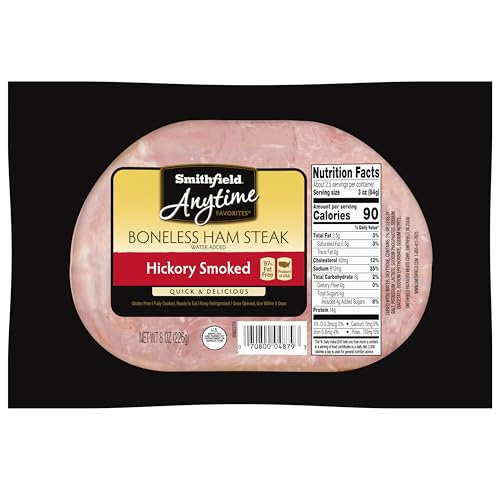
Fully Cooked Flavor - The legendary artisan taste of Smithfield ham, now comes in a number of fully cooked options for your convenience.

One 12oz package of fully cooked and boneless Smithfield Anytime Favorites Boneless & Hickory Smoked Sliced Ham

One 24oz package of Smithfield Anytime Favorites Sliced Brown Sugar Boneless Ham
Set the Ideal Smoking Temp & Time
When you set the smoker, preheat it to 250 °F for the initial smoke, then drop to a steady 230‑240 °F for the next three hours to let the 8‑lb spiral ham absorb flavor without drying out. This range is the ideal smoke duration for a precooked ham, giving the meat time to soak up apple‑wood aroma while staying juicy. Keep the water pan in the smoker to maintain moisture, and monitor the internal temperature with a leave‑in probe. Aim for a proper smoking temperature that holds steady; any fluctuation can cause uneven cooking. After the ham reaches an internal temperature of 145°F, it is safe to consume and ready for the glaze and final finish. The pre‑sliced ham is conveniently ready for serving, minimizing prep time.
Smoke at 225°F: Low‑Heat Moisture Method
If you preheat the smoker to 225 °F and set the spiral ham cut‑side‑down on the grates, the low‑heat, moisture‑rich environment will coax deep, smoky flavor without drying the meat. Pat the ham dry, then place it in a shallow pan with 2 oz apple juice to keep the surface moist. Smoke exposed for the first two hours, letting the wood—mesquite or hickory—infuse each spiral. Baste every 30 minutes with apple cider vinegar, and keep a pan of apple juice beneath the ham to control humidity levels. This stage lets you maintain smoke exposure while the internal temperature climbs toward 120‑125 °F. When you hit that range, you’ll have a flavorful bark and a juicy interior ready for the next phase. Use a Maple Bourbon Rub for an added layer of sweet‑spicy complexity.

Compatible with Masterbuilt 30" Digital Electric Smoker Model: 20071117, 20071217, 20071218, 20071317, 20071417, 20071517, 20074517, MB20070421, MB20070619, MB20070924, MB20071117, MB20071418, MB20071518, MB20072218, MB20072318, MB20072418, MB20072518, MB20073119, MB20073619, MB20073919, MB20075519, MB20075617, MB20077018, MB20077818, MB21071218, MB21072218, MB21072319, MB25071217, MB25073519, MB26071317, MB26073519, MB28071517

Perfect for Masterbuilt 40" Digital Electric Smoker Model: MB20071619, MB20071719, MB20071819, MB20072618, MB20072718, MB20072918, MB20073018, MB20075917, MB20077118, MB21072618, MB21072719, MB21072918. NOTE: Not Fit for Masterbuilt 30" Electric Smokers.
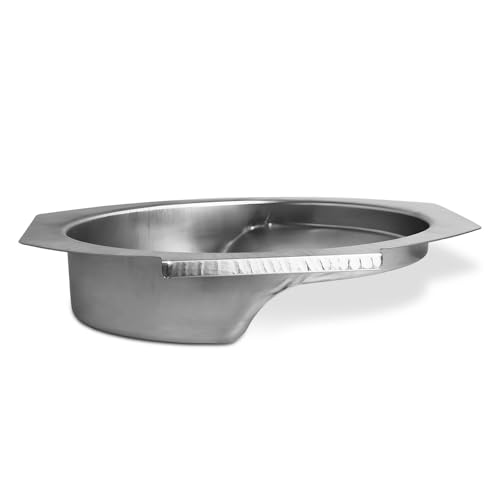
Perfect for Masterbuilt 30" Digital Electric Smoker Model: 20071117, 20071217, 20071218, 20071317, 20071417, 20071517, 20074517, MB20070421, MB20070619, MB20070924, MB20071117, MB20071418, MB20071518, MB20072218, MB20072318, MB20072418, MB20072518, MB20073119, MB20073619, MB20073919, MB20075519, MB20075617, MB20077018, MB20077818, MB21071218, MB21072218, MB21072319, MB25071217, MB25073519, MB26071317, MB26073519, MB28071517.
Smoke at 275°F: Faster Foil‑Wrap Option
Preheat the smoker to a steady 275 °F, then wrap the spiral ham loosely in foil, sealing the edges to lock in moisture while still allowing smoke to seep through. Place the foil‑wrapped ham on the rack and insert a leave‑in thermometer into the thickest part; ham temperature monitoring every 30 minutes keeps you on target. After about two hours, when the internal reading hits 125‑130 °F, open the foil briefly and start your glaze basting technique, brushing a thin layer every 15 minutes. Return the ham to the foil and continue smoking until the thermometer reads 140 °F, roughly 3.5‑4.5 hours total. The foil speeds heat transfer, preserves juiciness, and lets the glaze caramelize during the final half‑hour, delivering a tender, flavorful finish. Lower temperature helps prevent the ham from drying out. Like brisket, resting the meat after smoking allows the juices to redistribute for optimal flavor and texture.
When & How Long to Wrap the Ham
Typically, you’ll wrap the ham after it’s smoked unwrapped long enough to develop a solid bark and the internal temperature has risen to about 110‑115 °F—roughly 1.5 hours at 225 °F or 2 hours at 275 °F. At that point, use a proper wrapping technique: place the ham cut‑side down on a grill rack, then slide a disposable steam pan or foil‑wrapped baking rack beneath it to catch drippings. Pour a braise of chicken stock, bourbon, and maple syrup into a 12‑inch cast‑iron skillet, and nest the ham inside, sealing tightly. The ideal wrapping duration is about 2 hours at 300 °F, or until the internal temperature reaches 140 °F. This keeps moisture in, melds flavors, and prevents the bark from turning mushy while you finish the glaze. Like brisket smoking, monitoring the internal temperature with a thermometer throughout the wrapping phase ensures optimal results. The process also includes a dry smoking phase that adds a distinct BBQ flavor not achievable in an oven or grill.
Track Internal Temp for Glaze & Finish
Now that the ham’s bark is set and it’s snugly wrapped, keep a close eye on the internal temperature to time the glaze perfectly and finish safely. Insert a leave‑in thermometer into the thickest part, avoiding bone and fat, and set an alarm for 130°F. At that point, score the surface and begin the first glaze layer; this is when you Track internal temperature during glazing. Keep the probe active as the smoker climbs to 140‑145°F, watching the needle rise steadily. If you use a wireless unit, you can Monitor internal temperature changes without opening the smoker. When the thermometer reads 140°F, apply a final glaze, then pull the ham, rest briefly, and serve. Pre‑cooked spiral hams benefit from a low‑and‑slow smoke to enhance their existing flavor. Proper hygienic handling throughout the smoking and glazing process helps prevent spoilage and ensures food safety.
Choose Wood for Maximum Smoked Flavor
When you pick a wood, think of the flavor you want to shine through the ham’s glaze. Apple wood delivers a mild, sweet profile that complements cured pork without overwhelming it, making it a safe, balanced choice for most spirals. Hickory adds a bold, bacon‑like edge; use it sparingly if you crave a traditional barbecue punch. Cherry wood brings light berry sweetness and a mahogany hue, perfect for holiday presentations and double‑smoked finishes. Pecan sits between apple and hickory, offering a medium smoke that works well at 250 °F. Experiment with wood blend options—half apple, half cherry yields gentle sweetness and color, while a pinch of hickory intensifies depth. For best results, ensure your hickory wood has proper moisture content and is adequately seasoned before use to maximize smoke quality and flavor consistency. Follow smoking duration suggestions: 2–3 hours for apple, 1.5 hours for cherry, and 2 hours for hickory‑enhanced mixes, adjusting for your smoker’s temperature.
Glaze & Baste for a Caramel Crust
If you want a caramel‑crust that’s both glossy and flavorful, apply the glaze during the last 15‑30 minutes of smoking—just after the ham hits 140 °F internal. First, warm the pre‑smoked ham to about 145 °F, then brush a thin layer of your chosen glaze. The salted‑caramel glaze delivers a sweet, smoky, savory finish, while the jalapeño‑jelly glaze adds a bright sweet‑heat contrast. For a fruit‑forward twist, try the caramel‑apple glaze, which creates a unique glaze flavors profile and a caramelized glaze texture that clings to every spiral. Use a foil tray with a wire rack, keep the cut side down, and return the ham to the smoker for 5‑10 minutes. The heat will set the glaze, forming a sticky, shiny crust that stays juicy and visually appealing. To maximize the shelf life of your finished smoked ham, store it refrigerated at consistent temperatures within two hours of smoking. Insert a probe in the thickest part of the ham, away from the bone, to ensure accurate temperature monitoring.
Fix Dry Ham, Over‑Smoking, Uneven Heat
A few simple tweaks can keep your spiral ham juicy, prevent it from smoking too heavily, and eliminate hot‑spot charring. First, wrap the ham in foil halfway through the 2‑3.5‑hour smoke to lock in moisture and safeguard against a dry surface from forming. Place a water pan in the smoker to keep humidity high, preserving the interior texture while the glaze builds flavor. Use light apple wood smoke for the full duration; avoid mesquite or excessive hickory that would over‑smoke the pre‑cooked meat. For best results, select wood pellets like apple to enhance the smoky flavor without overpowering the ham. Set up indirect heat, positioning the ham flat‑side down initially, then turn it on its side for the 350°F glaze finish. This prevents hot spots, assures even caramelization, and keeps the interior tender and moist. Membership also provides instant access to all articles, helping you quickly reference these tips whenever needed.
Rest, Slice & Serve Your Smoked Ham
After the smoke has done its work, let the ham rest—tented in foil for about 30 minutes—so the juices redistribute and the internal temperature steadies around 140 °F. This ideal resting time lets carryover cooking lift the core a few degrees while preserving juiciness. When the foil loosens, slice right away; cut thin, perpendicular to the bone for even portions. Drizzle the warm pan juices over each slice, letting the glaze cling. Serve immediately, arranging the spirals on a platter with the reserved drippings for extra flavor. If you prefer a cooler bite, let the ham sit wrapped for another 25 minutes in a chilled area before carving—still preserving juiciness and delivering a perfect, juicy presentation. For best results when reheating leftover ham later, use slow and gentle heating techniques to maintain moisture and quality. Allow the ham to rest for 10 minutes under foil before serving.