Smoke your brats at a steady 225 °F for about 45‑60 minutes, checking them after the first hour. Aim for an internal temperature of 160‑165 °F; this guarantees they’re fully cooked but still juicy. Prick the casings, brush with olive oil, and flip once halfway through to develop a mahogany crust. Keep the smoker’s humidity up and monitor the vents to avoid temperature spikes. Follow these steps and you’ll master perfect 225 °F brats every time.
How Long to Smoke 225 °F Brats and Target Internal Temperature?
When you fire up the smoker at 225 °F, you’ll want to let the brats linger for about 45‑60 minutes before checking the internal heat, aiming for that sweet spot around 160‑165 °F. Keep the chamber moist enough to maintain proper humidity, because a dry environment will dry the casing and cause splits. Use a digital meat thermometer inserted into the center and monitor smoke production; you should see a thin, blue‑gray plume for the first 20‑25 minutes, then flip the brats and continue for another 20‑25 minutes. Rotate them halfway through to guarantee even exposure. Once the thermometer reads 160 °F, you’re safe to pull them; pushing past 165 °F risks fat separation and a ruptured casing. Smoking the brats at this low temperature also reduces flare‑ups from the fat that renders during cooking. Some sources recommend cooling brats in a cold water bath after smoking to halt the cooking process and preserve their texture.
How to Prepare 225 °F Brats for the Smoker
If you start by preheating the smoker to a steady 225 °F, you can move straight to prepping the brats for ideal flavor and texture. First, pull the raw bratwurst from the package and give each a quick prick with a toothpick—this prevents bursting and lets smoke penetrate. Lightly brush the sausages with extra‑virgin olive oil for a subtle crust, then set them directly on the grates over the indirect heat side. Add a handful of apple wood chips to the firebox; apple provides a sweet, mild smoke that encourages proper smoke absorption. While the brats begin their 30‑minute low‑smoke phase, keep a water pan in the smoker to maintain humidity, ensuring consistent doneness throughout. Use a probe to monitor internal temperature, aiming for 160 °F before finishing. The gentle heat prevents the bratwurst casing from bursting and keeps all of the juice inside. Maintaining steady temperatures through vent adjustments will help you achieve the best smoking results throughout the cooking process.


Made In the USA: Celebrate homegrown quality with these premium wood chips made in Arkansas and Missouri
How to Keep a Steady 225‑250 °F Zone for 225 °F Brats
Ever wondered how to lock that smoker into a rock‑steady 225‑250 °F band? Start by arranging lump charcoal from biggest at the bottom to smallest at the top, then light the center with a Weber starter. Keep the dome open until flames die down, add wood chunks, and ignite three spots with wax starters. Close the bottom vent to 1/4 inch, then to 1/8 inch as the dome nears 225 °F, while opening the daisy‑wheel petals wide and gradually closing them. Use the top exhaust vent for fine‑tuning, and let the pit run empty for 45–60 minutes to clear smoke. Monitor grate temperature, not just the dome, and watch for thin blue smoke. Keeping the grill lid closed where possible will stabilize your temperature and prevent fluctuations during the smoking process. This steady airflow yields a consistent internal temperature and a smooth smoke absorption process for perfect brats. Adjusting airflow is essential to maintain the desired temperature range.

Compatible with WSM 14"/18"/22" and Bullet Smokers.

High Quality Genuine LavaLock Gasket Kit compatible with Nomex

【5G Wi-Fi & Bluetooth5.0 Mode】Inkbird smoker controller fan supports two networking methods;can monitor the grill through smartphone; one smartphone can control multiple smoker controllers at the same time, or multiple people can monitor one smoker controller.
How to Flip 225 °F Brats for Even Smoke
Flip your brats after 20–25 minutes of steady 225 °F smoke, using tongs to turn them gently without piercing the casings. This precise flip timing lets the first side develop a rich mahogany crust while the interior stays juicy. When you lift the grill lid, glance at the color—if it’s a deep golden‑brown, you’re ready. Slide the tongs under each brat, rotate them a quarter turn, and place them back on the grates so the other side meets the same low‑heat, smoky environment. The midway flip guarantees even smoke absorption, preventing one‑sided char and keeping the casings intact. Keep the smoker at 225 °F, avoid opening the lid unnecessarily, and monitor internal temperature until it nears 165 °F before the final sear. Using an instant-read thermometer ensures you reach the safe internal temperature without overcooking your brats. Aim for a 70/30 lean‑to‑fat ratio to ensure juicy, flavorful brats.
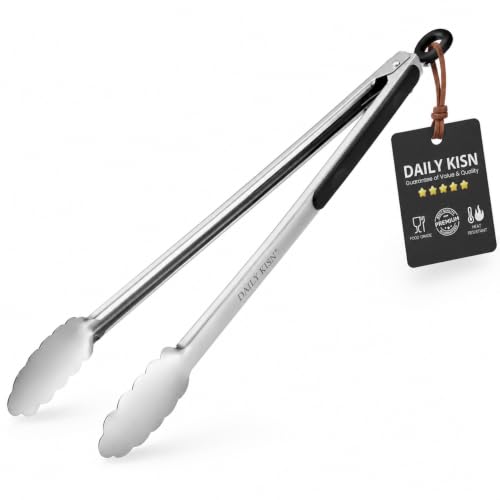
17" Extra Long Grill Tongs: These 17-inch Grill Tongs are essential for barbecuing, cooking, grilling, buffet serving, and camping. They are lengthy enough to protect your hands from heat, making it safer to handle hot food.

【Extra Long Tongs】 - EDDEAS 17 inch and 12 inch BBQ Grilling Tongs Protect your hands from the heat. Perfect for bbq, cooking, grilling, buffet serving, barbecue and camping etc.

12"+17" Long Grill Tongs: These Grill Tongs are essential for barbecuing, cooking, grilling, buffet serving, and camping. They are lengthy enough to protect your hands from heat, making it safer to handle hot food.
How to Finish 225 °F Brats: Sear, Beer‑Bath, or Rest
Three finishing routes—quick sear, mellow beer‑bath, or simple rest—let you tailor the final bite of your 225 °F brats. After you’ve hit the preferred smoking duration and the ideal internal temperature of 160‑165°F, you can choose your finish. A fast sear on a cast‑iron pan (1‑2 minutes per side) or a hot grill (375‑450°F, 5‑10 minutes per side) adds a caramelized crust without overcooking the interior. If you crave extra maltiness, immerse the brats in a simmering beer‑onion‑pepper bath at 225°F for 15‑30 minutes, then finish with a brief grill smoke. Finally, let the meat rest five minutes; juices redistribute, preserving moisture and texture before serving, which maintains the juicy interior achieved through careful temperature control. Use a half chimney of lit charcoal on a Weber kettle to maintain the indirect heat.
How to Troubleshoot 225 °F Brats: Under‑/Over‑cooking & Burst Prevention
When your brats emerge from the smoker still pale inside or puffed up like balloons, the culprit is usually a temperature or timing slip. Check the smoker’s gauge; a dip below 225 °F or a spike toward 275 °F will stall heat penetration and cause under‑cooking or burst‑inducing steam. Use a meat thermometer and pull the sausages the soon as the center hits 160‑165 °F. Flip after 20‑25 minutes to avoid one‑sided drying, and keep the probe in the middle for accurate readings. Resting your brats for 5 to 10 minutes after smoking helps seal in the juices and prevents bursting. Choose a wood type that matches your smoke intensity preference—apple pellets give gentle, sweet smoke, while hickory adds depth without overheating. Consistent heat and timely flips prevent wrinkling, dryness, and those balloon‑like bursts. You can also scale the recipe easily for larger groups by increasing the amount of bratwurst and beer proportionally.
How to Store & Reheat 225 °F Brats Without Drying Out
Ever wonder how to keep 225 °F‑smoked brats juicy after they’ve cooled? First, cool them below 70°F within two hours, then lay them flat in a single layer and vacuum‑seal each portion with a splash of broth or sauce. Label the bags with date and weight, and store them in the fridge (under 40°F) for up to two weeks or in the freezer for three months. For even longer storage beyond three months, freezing is recommended to extend the shelf life of your brats. When you’re ready to eat, thaw the vacuum‑sealed brats overnight in the fridge—no microwave. Reheat thawed brats in a 250°F oven, adding a little broth, covering with foil, and cooking until the internal temperature hits 165°F. This method locks in moisture, preventing dryness while preserving flavor. Portion control helps keep servings consistent and reduces waste.
Quick FAQ: Common Questions About 225 °F Brat Smoking?
If you’re looking to nail the perfect 225 °F brat, the quick FAQ below breaks down the most common questions—how long to smoke, the ideal internal temperature, why low heat boosts flavor, and how temperature swings affect results—so you can keep your brats juicy, smoky, and safe to eat.
You’ll smoke the brats for about 30 minutes at a steady 225 °F before checking the internal temperature; most reach doneness between 1 hour and 1 hour 45 minutes, depending on size and fat content. Aim for 160 °F–165 °F using a digital thermometer at the one‑hour mark. Low heat heightens smoke production intensity, allowing deeper flavor absorption, while temperature fluctuation impacts can shorten cooking time and dry the sausage. Keep the grill under 275 °F, monitor the heat, and enjoy consistently tender, flavorful brats. To maximize smoke output, consider using a smoker box to generate consistent wood smoke throughout the cooking process. Use apple pellets for a subtle, sweet smoke that complements the brat’s natural flavor.