Smoke the wings at a steady 225‑250 °F for 1‑1.5 hours, keeping the smoker at 225 °F for the first 60‑90 minutes, then raise to 250 °F until the thickest part hits 175‑185 °F. For extra‑soft, pulled‑wing texture, let them reach 195‑200 °F, but never exceed 210 °F or they’ll dry out. Finish with a 30‑minute blast at 350‑425 °F for crisp skin, and use a reliable instant‑read probe to check internal temperature. The next steps will show you how to fine‑tune flavor and timing.
What Is the Ideal Smoking Temperature Range for Chicken Wings?
Where’s the sweet spot for smoking chicken wings? You’ll hit it when you keep smoke temperature consistency around 225‑250°F and aim for a final internal range of 175‑185°F. This band balances tenderness and a satisfying skin bite while preserving moisture. Studies show wings reach 175‑180°F in about an hour at 225°F, breaking down connective tissue without drying out. If you want a pit‑style texture, push to 195‑200°F, but stay within the 200‑205°F range for extra‑soft, pulled‑wing results. Use a reliable thermometer to verify you’ve achieved ideal density and safety. Adjust the smoker’s heat gradually, avoid spikes, and monitor the internal temperature to stay within the evidence‑based sweet spot. Wood choices like oak, pecan, and hickory complement chicken without overpowering the meat. The collagen-to-gelatin conversion accelerates after 165°F, enhancing tenderness as the temperature climbs.
How Long Should You Smoke Wings at 225‑250°F for Tenderness?
Typically, you’ll smoke chicken wings for 1 – 1½ hours at 225‑250°F to achieve a tender, juicy bite. For maximum smoke absorption duration, keep the smoker steady at 225°F for the first 60‑90 minutes, allowing the meat to reach about 155°F over indirect heat. Then raise the temperature to 250°F and continue cooking until the internal temperature hits 175‑180°F; this breaks down connective tissue without drying the wings. Proper meat handling—spacing wings evenly, rotating occasionally, and misting hourly—ensures uniform heat and moisture. Larger wings may need an extra 10‑15 minutes, while smaller pieces finish on the low end of the range. This protocol delivers consistent tenderness and flavor. Baking powder helps remove moisture from the skin, contributing to a crispier finish. After smoking, allow the wings to rest for several minutes to help redistribute the juices for optimal texture and flavor.
When and Why Raise Heat to 350‑425°F for Crisp Wing Skin?
A good rule of thumb is to keep the wings at 225‑250 °F for the first 30‑60 minutes, then crank the heat up to 350‑425 °F for the final 30‑minute finish. You raise the heat once the low‑temperature phase has infused the wings with smoke and the internal temperature is approaching 150‑160 °F. The high heat crisping rationale is simple: temperatures above 350 °F rapidly render the abundant skin fat, turning it into a crunchy, browned exterior without drying the meat. Aim for a finishing range of 375‑425 °F; the higher end speeds browning, while the mid‑range offers a gentler crisp. Monitoring temperature progression with a probe guarantees you hit the 175 °F internal target and avoid burning, delivering tender, juicy meat beneath a perfectly crisp skin. Dehydrating the wings in the refrigerator for up to 3 hours helps achieve a crispier skin when the heat is raised. Similar to smoking larger cuts of meat, allowing the wings to rest after cooking helps redistribute juices for optimal flavor and texture.

100% KETO: These chicken skin chips offer the crispy and crunchy texture of potato chips (without the carbs) and the protein of jerky, this chicken skins snack is the ultimate keto friendly tasty snack.

Flock, Chicken Skin Crisps Hattie Bs, 2.5 Ounce

What Internal Temperature Should Smoked Chicken Wings Reach, and How Do I Check It?
After the skin has crisped at 350‑425 °F, you need to confirm the meat’s doneness. Aim for a uniform internal temperature of 175‑185 °F for ideal tenderness; this range breaks down connective tissue while keeping the meat juicy. If you prefer a softer, bite‑through texture, let the wings reach 195‑200 °F, but avoid exceeding 210 °F to prevent drying. Properly inserting thermometer is critical. Use an instant‑read probe, insert it into the thickest meat without touching bone, and wipe the tip between checks. Sample several wings because size varies, and verify that each reading falls within your target range. For best results, monitor your wings during the entire smoking process rather than relying solely on time estimates. This evidence‑based approach guarantees safety and the best eating experience. Meat starts to split away from the bone when it reaches the proper doneness.
Does a Dry‑Brine or a Wet Marinate Shorten Smoking Time?
I’ve looked at the data, and neither a dry‑brine nor a wet marinate consistently cuts the smoking time compared with unbrined wings. Experiments show wet‑brined wings smoke 1.5‑2 hours at 225 °F, while dry‑brined wings follow the same schedule; no statistically significant time reduction appears. The key difference lies in brine absorption time: wet brine infuses moisture quickly (≤2 hours), whereas dry brine relies on overnight salt diffusion. Both methods affect smoke color enhancement—dry‑brined skin dries, yielding a darker, richer hue, while wet‑brined surfaces stay moist, producing a lighter coat. For optimal results, maintain grill temperatures between 350°F and 425°F to ensure even cooking and crispy skin. Choose based on texture and flavor goals, not on shortening the smoking process. The air‑fryer step dry‑brined wings involves spraying with duck fat and seasoning before cooking.

Weber Chicken Seasoning helps you enhance the flavor of your favorite grilled meals

LOCKS IN MOISTURE FOR JUICY RESULTS: Kosmos Q Chicken Soak Brine delivers a balanced mix of brown sugar, Worcestershire, and savory spices that draws moisture deep into the meat. Whether you're cooking whole birds or just tenderloins, this soak helps you get that juicy, flavorful bite in every piece without complex prep.
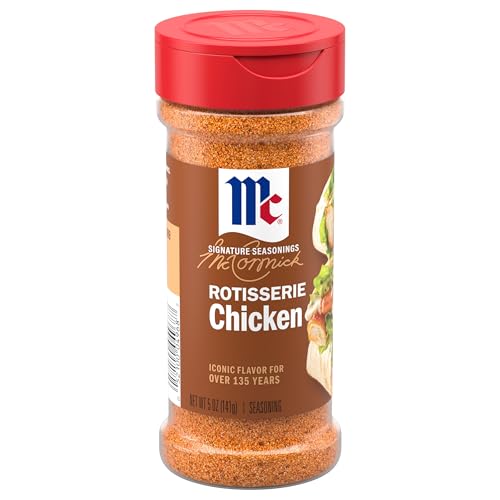
McCormick Rotisserie Chicken Seasoning brings rotisserie-style flavor to chicken thighs, chicken drumsticks, cornish hens
How Do Apple, Pecan, and Cherry Woods Affect Flavor and Smoke Time for Chicken Wings?
Curious how apple, pecan, and cherry woods change your wing smoke? Apple delivers a mild, sweet profile with low wood smoke density, burning cooler and requiring frequent addition for 1‑2 hour cooks. Its 15‑20 % wood moisture content guarantees a clean, fruity aroma without bitterness. Pecan offers a richer, bacon‑like note while staying within a moderate density range; chunks sustain a steady burn for 1‑2 hours, giving a balanced sweet‑savory flavor that complements chicken without resinous harshness. Cherry produces a mellow, fruity sweetness at low density, ideal for a 1‑hour, 225 °F smoke. Its moisture level matches apple’s, preventing excess creosote. When combining different wood varieties, you can enhance complexity and achieve more nuanced flavor profiles for your wings. Use fist‑sized chunks, monitor smoke density, and keep wood moisture content around 15‑20 % for consistent flavor and timing. Use a smoker thermometer to maintain the target temperature throughout the process.


Wood cooking chunks for smoking made from real apple wood for charcoal, gas, or electric grills, as well as personal and larger smokers. See description for cooking instructions.

The information below is per-pack only
What Is the Step‑By‑Step Timeline From Preheat to the Final Sear?
Apple, pecan, and cherry woods set the flavor foundation, now let’s map the exact timing from preheat to the final sear. First, preheat the smoker to 225 °F with the lid closed for 15 minutes; use Super Smoke mode if available to achieve maximum smoke intensity. Pat wings dry, apply olive oil, salt, pepper, and a coating of baking powder—this proper seasoning technique guarantees crisp skin. Let them rest an hour, then refrigerate up to three hours for deeper flavor penetration. Smoke at 225 °F for 60 minutes, raise to 250 °F for 30 minutes, and continue at 250‑275 °F until internal temperature hits 175‑180 °F, turning every 30 minutes. Finally, crank the heat to 375 °F, sear until the internal reads 165 °F, and rest 5‑10 minutes before serving. Smoking at 225 °F takes about 1 hour to reach 165 °F internal temperature.
What Timing Mistakes Ruin Smoked Chicken Wings and How to Fix Them?
Timing mistakes are the biggest culprits behind ruined smoked chicken wings, and they’re all fixable with a few precise adjustments. An overcrowded smoker blocks smoke and creates uneven airflow, leading to over‑smoked, burnt edges while the interior stays pale. Keep the rack spaced, rotate wings halfway, and use a single layer to preserve consistent circulation. Too low a temperature stretches cook time, dries the skin, and forces moisture loss through the airflow; aim for 225‑250°F for 2‑2.5 hours, then finish at 325°F for crispness. Skipping proper preheat leaves the chamber cool, prolonging the drying phase—heat to 250°F before loading, then reset to target. Finally, maintain a moist drip pan (apple‑juice‑water) and air‑dry brined wings for a tender, non‑rubbery result. The internal temperature should reach 165°F to ensure safe and juicy results. Lower temperatures cause the meat to take significantly longer to reach safe doneness, increasing the risk of a dry exterior.