Choose a 1‑to‑1.5‑inch‑thick USDA Choice or Prime flat‑iron, let it sit at room temperature, then dry‑brine with salt for at least an hour. Lightly coat with olive oil, dust with cracked pepper, and optionally add a hot BBQ rub or Asian‑citrus blend. Preheat your grill to a steady 500‑600°F, oil the grates, and sear the steak at a 45‑degree angle for two minutes per side, rotating 90 degrees for cross‑hatch marks. Pull at 125°F for medium‑rare, rest three to five minutes, slice across the grain, and finish with flaky salt or compound butter—more details await if you keep going.
How to Prepare Flat‑Iron Steak for the Grill
When you select a flat‑iron steak, aim for a 1‑to‑1.5‑inch‑thick cut from the top‑blade muscle, bright red and well‑marbled, preferably USDA Choice or Prime, and free of heavy silver skin or excess fat that needs trimming. First, bring the steak to room temperature by removing it from the fridge 30‑60 minutes before grilling; this prevents uneven cooking and allows the internal heat to rise consistently. If you plan to use a quality marinade, poke a few shallow holes on one side, then let the mixture soak for at least four hours, letting excess drip off before it hits the grill. For dry rubs, pat the surface dry, drizzle a thin layer of high‑smoke‑point oil, and coat evenly. Preheat the grill to 500‑550 °F, clean and oil the grates, then place the steak directly over the hottest zone, flipping once for a perfect sear. After grilling, top the steak with compound butter to enhance the crust and flavor. The flat iron steak is flavorful and tender due to its well‑marbled composition.

Black pepper, salt, garlic, & real butter

ICONIC SEASONING: Bold, savory, coarse-textured spices and seasonings bring grill-worthy flavor to all your favorite cuts of meat and vegetables
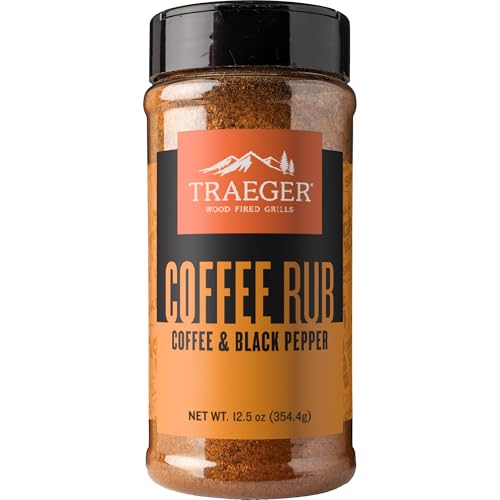
Delicious seasoning amps up whatever you’re cooking
Season Flat‑Iron Steak for a Perfect Crust
A well‑seasoned flat‑iron steak begins with a thin coat of olive oil, followed by an even dusting of salt and freshly cracked black pepper; this simple dry rub creates a flavorful crust without masking the meat’s natural richness. Brush the steak lightly, then sprinkle a blend of salt, pepper, garlic powder, and onion powder for a classic crust. For custom seasoning options, experiment with a hot BBQ rub or a specialty blend like Sure Shot Sids Gunpowder, applying it after the oil layer. If you prefer moisture, use marinade variations such as an Asian‑inspired soy‑sherry‑honey mix or a citrus‑soy‑herb blend; marinate 3–6 hours, pat dry, then season again before searing. Refrigerate salted steak exposed for at least an hour to dry‑brine, enhancing Maillard browning and creating the flavorful crust that develops when meat reaches very high heat. The cut’s natural marbling helps it stay juicy even with a robust crust. Finish with freshly cracked pepper after cooking for bright, lingering spice.
Set Up the Grill and Reach 500‑600°F for Flat‑Iron Steak
A solid, direct‑heat setup is essential for a perfect flat‑iron steak, so start by preheating your grill to a steady 500‑600°F. Choose fuel selection wisely: a ceramic grill like Primo, a gas grill set to medium‑high, or a charcoal grill with coals piled three inches from the grate all deliver the required high direct heat. Light the burners or ignite the coals, then close the lid briefly to accelerate heat buildup. Once the grill surface reaches at least 500°F, perform grill temperature verification with a hand‑test two inches above the grate or a reliable infrared probe. Clean the grates, oil them lightly, and keep the lid off while you maintain that steady medium‑high zone before searing the steak. Allowing the steak to reach room temperature before grilling helps ensure even cooking throughout the meat. The flat iron steak is extremely tender due to its well‑marbled shoulder muscles.
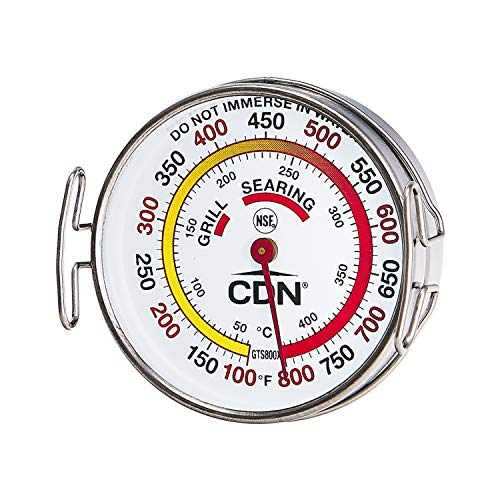
ACCURATE TEMPERATURE ZONES. The CDN GTS800X Grill Surface Thermometer features a color-coded scale that allows precise monitoring of temperature zones, providing optimal control over your grilling experience.

【500FT Remote Temperature Monitor & Smart Alerts】Equipped with Bluetooth 5.0, this bluetooth grill thermometer transmits real-time grill temperature data to the TempPro App within 500 feet; customize high/low temperature thresholds, and instant alerts will be pushed to your smart phone once the temperature deviates from your preset range, saving you from constantly hovering beside the grill

Material:This Grill Temperature Gauge is made of stainless steel to maximum durability and reliability.That is not only safe but also environmentally friendly
Grill Flat‑Iron Steak for Perfect Cross‑Hatch Marks
Six minutes of high heat will give you those crisp, diagonal grill lines that define a perfect cross‑hatch. First, clean and oil the grates, then preheat the grill to about 550 °F, ensuring even heat. Bring the flat‑iron steak—ideally with optimum fat marbling—to room temperature, then set it at a 45‑degree angle on the 10:00 position of the grate. After two minutes, lift the steak, rotate it to the 2:00 position, and sear another two minutes to create the first diagonal. Flip the steak, repeat the 45‑degree placement, and perform the same 90‑degree rotation for the second side. Throughout, monitor proper meat temperature; the pattern emerges without overcooking, delivering a visual masterpiece ready for a brief five‑minute rest. Thin steaks require only one flip to achieve the desired doneness. After searing, allow the steak to rest briefly so the juices redistribute throughout the meat, ensuring maximum flavor and tenderness.
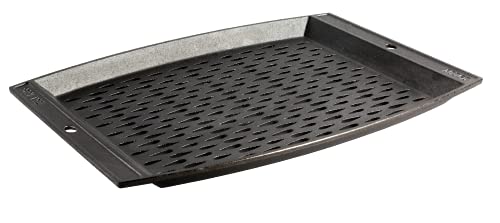
YOUR GO TO GRILL TOPPER: The Lodge Cast Iron Grill Topper is perfect for shrimp, veggies, fish, and more! The grid design protects food from falling through the grate and infuses your dish with that wonderful grill flavor. This lightweight grilling pan can handle the heat and the dual handle design makes it easy to maneuver as you cook.

SUPERIOR SEAR MARKS: Achieve excellent grill marks and enhanced flavor on your Weber Kettle, Barrel Grill, or Rec Tec Bullseye with this cast iron grill grate
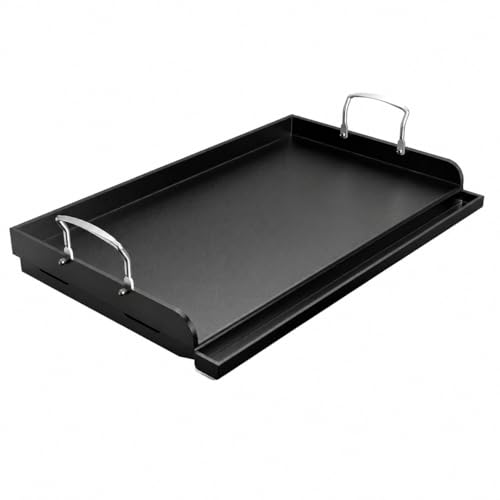
IMPORTANT FIT CHECK – Recommended for 5-Burner or Larger Gas Grills: The flat cooking surface measures 25" × 16". The handles extend approximately 1.05" beyond each side, making the total outside length about 27.1". Your grill must provide at least 27.1" × 16" of clear usable space at grate level. If your grill has only 25" of clear inside length, this griddle may not fit. Please measure your grill before ordering.
Timing the Cook of Flat‑Iron Steak by Thickness & Doneness
Timing a flat‑iron steak hinges on its thickness and the target doneness, so you can match grill time to internal temperature targets without guessing. For a 1‑1.5‑inch cut, aim for 8‑10 minutes total at 400 °F for medium‑rare, 10‑12 minutes for medium, and 12‑14 minutes for medium‑well. Use a meat thermometer: pull at 52 °C (125 °F) for medium‑rare, letting carry‑over bring the final temperature to 130‑140 °F. Thicker, 2‑inch pieces require thickness dependent cooking—sear 9 minutes on the first side, then 7‑8 minutes on the second for medium‑rare, adjusting each doneness accordingly. Reverse searing works well for 1‑inch‑or‑less steaks: smoke to 120 °F, then finish 2 minutes per side over high heat. Check the thickest part frequently to avoid overcooking. For optimal results, many experts recommend higher temperature grilling between 450°F and 500°F to achieve better sear and flavor development compared to the 400°F baseline. Preheat the grill to 450 °F before placing the steak.
Rest, Slice, and Serve Flat‑Iron Steak for Maximum Juiciness
Because the juices settle quickly, you should rest a flat‑iron steak for about three to five minutes—tenting it loosely with foil—before slicing. This ideal resting time lets the interior temperature rise roughly five degrees, bringing the steak to the correct serving temperature of 120‑130 °F for rare or 130‑140 °F for medium‑rare. While it rests, keep the foil loose to prevent steam from softening the crust. After the rest, slice across the grain on the short axis; cutting against the grain maximizes tenderness and retains juiciness. To further preserve moisture, avoid high heat when serving and ensure the steak reaches the proper internal temperature before plating. Finish with a pinch of flaked salt or a dab of compound butter, then serve immediately while the steak holds its correct serving temperature, ensuring every bite remains juicy and flavorful. Thin cuts rest for a minimum of 5‑7 minutes.
Troubleshoot Issues & Apply Pro Tips for Flat‑Iron Steak
If you’re seeing uneven sears or flare‑ups, start by dialing the grill to a steady 400‑500 °F and oil the grates with a high‑smoke‑point oil before the steak hits the heat. Keep temperature monitoring tight; a quick probe or infrared gun will tell you when the grates sit just north of 500 °F, the sweet spot for crust without burning. For ideal marbling to shine, season the steak with coarse salt and a thin oil coat, then let it sit 20 minutes. Flip after the first five‑minute sear, or use the “just keep flipping” method every two minutes for even char and diamond marks. Re‑season with cracked pepper after a few flips, and pull the steak at 125‑130 °F internal, letting carryover rise to perfect medium‑rare. After cooking, allow the steak to rest for several minutes to let the juices redistribute throughout the meat. Flat iron steak is sourced from large animals like cows, elk, and bison, which contributes to its robust flavor and tenderness.