
Smoke a bone‑in turkey breast at 275 °F for about 2½–3 hours, pulling it when the thickest part reaches 157 °F keep it juicy and safe. A 4‑lb breast hits that target in roughly 2.5 hours, while larger pieces need a bit more time; boneless will finish 20–30 % faster. Brine it 48 hours in a ≤40°F solution, pat dry, and let it rest exposed for a day before seasoning. Use a sturdy pan with hot broth, keep the smoker steady, and baste with butter during the last hour for extra moisture and flavor. If you follow these steps, the next sections will show you how to fine‑tune smoke, manage hotspots, and perfect the carry‑over rest.
Understand How Temperature Impacts Time and Moisture
When you set the smoker to a low 205‑225 °F, the gentle heat creates a small thermal gradient, so the turkey breast retains moisture while cooking at a steady 25‑35 minutes per pound. At this range, the meat’s interior climbs slowly, allowing collagen to dissolve without evaporating juices. You can boost that moisture with brining or injection recipes that deliver salty, fatty solutions straight into the fibers, counteracting any slight drying. Raising the smoker to 250 °F truncates the cycle to about 25 minutes per pound, but the steeper thermal gradient accelerates surface evaporation, risking a drier finish. Keep the temperature near 225 °F for the best balance of time, tenderness, and juiciness, then rest the breast 20‑30 minutes to let carry‑over heat finish the job. Using a meat thermometer ensures you reach the safe internal breast temperature of 160‑165 °F rather than relying solely on time estimates. Brining the outermost parts helps prevent overcooking of the thin tail.
How Long to Smoke a Bone-In Turkey Breast at 275°F?
Wondering exactly how long a bone‑in turkey breast will need at 275 °F? You’ll spend roughly three hours on the smoker, but the first two to 2½ hours set the stage. Preheat your smoker to a steady 275 °F, confirming equipment calibration so the heat stays uniform. After the first hour, the expected reach temperature inside the thickest part should be around 103 °F; keep basting with melted butter to lock moisture. Probe at the 2‑hour mark—if you’re near 150 °F, give it another half hour. Aim to pull the bird at 161‑63 °F, then let it rest 30‑45 minutes wrapped in foil. This timing delivers a juicy, safely cooked turkey breast. For optimal flavor, consider using medium-smoking woods like pecan or hickory during the smoking process. Brining is the most important step for juicy and flavorful turkey.
Adjust Cook Time for Size and Bone-In vs. Boneless
If you’re scaling a bone‑in turkey breast up or down, the cooking window shifts with both weight and whether the bone stays in. A 7‑lb bone‑in at 225‑250°F needs a low‑and‑slow 4‑hour smoke, while an 8‑9‑lb piece benefits from a 2‑hour 215°F stage followed by 1‑2 hours at 350°F to finish. At 275°F, a 4‑lb breast reaches a mahogany hue in 2.5‑3 hours, but add a 30‑minute buffer for humidity or thickness. Bone‑in advantages include superior flavor infusion and moisture retention concerns; the bone slows heat, keeping the meat juicier. After smoking, you can raise the temperature to roast the turkey through to the final safe internal temperature of 165°F in the breast. Boneless pieces cook 20‑30% faster, but you lose that moisture‑holding benefit, so adjust down accordingly and monitor internal temperature closely. The turkey breast was lightly coated with spray olive oil to help the seasoning adhere.
Prep for Smoking a Bone-In Turkey Breast at 275°F: Brine, Season, and Inject
Start the process two days ahead by submerging the bone‑in turkey breast in a cold brine (≤ 40 °F) and letting it soak for 48 hours; this low‑temperature soak locks in moisture and builds flavor. After brining, discard the brine solution disposal to prevent bacterial risk, then pat the meat dry and let it rest uncovered for 24 hours. This dry period evaporates surface moisture, allowing a pepper‑forward rub to cling evenly, even under the skin. Just before smoking, prepare a butter‑based injection and dot the breast, reserving the final hour for occasional basting. Insert a digital probe into the thickest part, avoiding bone, and begin temperature monitoring around the three‑hour mark, aiming for an internal 157‑160 °F for juicy, safe results. Maintaining a steady smoker temperature between 220–250°F during the smoking process will help achieve optimal smoky flavor. Use chicken broth to enhance the flavor of the gravy.

Turkey Brine, Original | Natural | Kosher Certified

13oz package contains packet of brine mixture and packet of rub

COMPLETE TURKEY BRINE KIT IN ONE BOX – Everything you need to create a juicy, flavorful turkey from start to finish. Includes award-winning Turkey Brine, Dirty Bird Rub, Cherry Apple Habanero BBQ Glaze, brine bag, and recipe card with step-by-step instructions.
Tools & Smoker Setup for a 275°F Smoke: Pan, Broth, and Steady Heat
A solid smoker setup starts with a sturdy, rim‑med pan filled halfway with hot broth to create a moist environment that keeps the bone‑in turkey breast juicy while the wood smoke circulates. Choose a reliable electric or pellet smoker that holds 275°F steady; preheat it before loading the bird. Position the pan on the lower rack so heat rises evenly, and keep a digital probe thermometer in the thickest part of the breast to monitor internal temperature and ensure the turkey reaches the safe minimum temperature. For wood selection, blend cherry for three hours with a final hour of pecan, or swap apple if you prefer a milder note. Manage smoke by adding chips in timed intervals, ensuring a consistent plume for the full four‑hour window. This setup delivers steady heat, balanced moisture, and controlled flavor infusion. The apple cider brine adds flavor, moisture, and tenderness to the turkey breast.

Durable, long‑lasting construction featuring an aluminized steel interior liner, double‑wall insulation, high‑heat exterior coating, and high‑temperature door seal
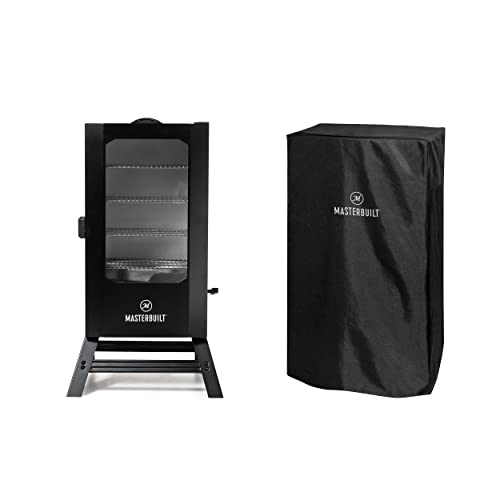
This electric smoker reaches temperatures up to 275 F, includes a water bowl to retain moisture, and an adustable air damper for smoke control
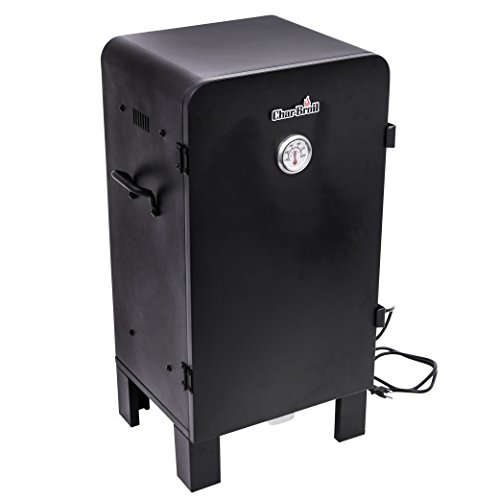
COOKING SPACE: 544 square inches of cooking space
When and How to Baste and Drizzle Butter While Smoking a Bone-In Turkey Breast
By the time the turkey breast has soaked up two and a half hours of smoke, its surface will be primed for a buttery glaze that locks in moisture and softens the skin. At the three‑hour mark, open the lid, dip a spoon into the broth‑butter pool, and drizzle the golden liquid over the skin, then rub a pat of clarified butter into the thickest sections. Continue basting every 30 minutes, using the same juices, until the internal temperature approaches 160°F. The butter not only enhances moisture content but also creates a glossy crust that maximizes flavor impact. Keep the wood chips out once you start basting; the broth’s steam will carry the richness throughout the final hour, ensuring a juicy, tender result. Skin and bone protect the breast meat from drying out during smoking. Using a meat thermometer to monitor the internal temperature ensures accurate doneness and prevents overcooking.

100 percent natural

No hydrogenated fats or high fructose corn syrup allowed in any food

RICH GARLIC BUTTER FLAVOR Turn any meal into a flavorful experience with this smooth, savory garlic butter sauce packed with bold taste.
Monitor Temp: Pull at 157°F, Expect Carry-over
You’ll want to pull the turkey breast the moment the probe reads 157°F in the thickest part, because that temperature delivers a bacterial kill‑off in under a minute while preserving juiciness. Set a high‑temp alarm on your digital probe and practice low temp monitoring throughout the smoke. Keep the smoker steady at 225‑240°F, or 275°F if you need a faster tender, and check the thickest spot near the bone at the three‑hour mark. When the readout hits the safe pull temperature of 157°F, remove the breast immediately; carry‑over will raise the internal heat a few degrees as it rests, preventing over‑cooking. Rest the turkey breast loosely covered for 15-20 minutes to allow juices to redistribute and lock in moisture. Avoid waiting until 165°F—each degree lower locks in moisture and flavor. Turkey breast takes on smoky notes beautifully without being overwhelmed.
Rest the Breast for 30 Minutes: Why Tenting Matters
When the turkey breast hits the target 157°F, pull it from the smoker and immediately tent it with loose foil; this tenting technique locks in steam while letting excess heat escape. You’ll let the bird rest for about 30 minutes, giving the internal temperature time to stabilize and the juices a chance to redistribute. The resting importance lies in preventing dryness—steam trapped under the foil keeps the surface warm, preserving the crisp skin and ensuring the interior stays moist. As the meat rests, carry‑over cooking finishes without overcooking, and the juices settle evenly, delivering clear, flavorful slices when you finally carve. Place the tented breast on a platter away from direct heat for ideal results. Using mild fruitwoods for smoke flavor during the cooking and resting process enhances the overall taste of your smoked turkey breast. Apple wood pellets add a subtle smoky flavor during the rest period.
Troubleshoot Smoking a Bone-In Turkey Breast: Dryness, Over-Cooking, and Hot Spots
After the breast rests, the next challenge is keeping it from drying out, over‑cooking, or hitting hot spots in the smoker. First, set your smoker to a steady 225‑250°F; this low range lets the lean turkey absorb smoke without stripping juices. Track smoker hotspots with a handheld probe and rotate the pan every 30 minutes to even out heat. Use a disposable pan filled with chicken broth to boost humidity and help maintain moisture content. Monitor internal temperature closely, pulling the meat at 157‑160°F for safety and juiciness. If you notice a hot patch, lower the lid or add more water to the pan. Finally, baste during the last hour to reinforce the skin barrier and lock in flavor. Additional practices such as brining before smoking can significantly enhance moisture retention and flavor development throughout the cooking process.


