Start by rinsing and patting dry an 8‑10 lb bone‑in turkey breast, then dry‑brine it with 1.5 % kosher salt, garlic, herbs, and pepper for a few hours. Mix softened butter with olive oil and a poultry rub, coat the meat, and let it air‑dry in the fridge to form a pellicle. Preheat your smoker to 225‑250 °F, add a water pan and fruit or hickory wood, and smoke about 30 min per pound. When the internal temp hits 130 °F, wrap tightly in foil with butter‑spotted skin and raise the smoker to 275 °F, basting every 30 min. Pull the breast at 155‑160 °F, rest 10‑15 min, then slice. Continue for and you’ll uncover the exact timing, wood choices, and finishing tricks for a flawless bark and juicy result.
What You’ll Need to Smoke a Turkey Breast (and Why)
Because a perfect smoked turkey breast hinges on both flavor and temperature control, you’ll need a reliable smoker, a well‑brined 8‑10 lb breast, an instant‑read thermometer, the right wood, and a few handy tools. Preheat the smoker to 275°F—staying in the 275‑325°F range—to avoid the low‑heat trap below 250°F. Choose flavored woods like pecan, hickory, or fruit wood; apple pairs well with cider brine, while mesquite adds a quick burst via a smoking gun. Submerge the breast in brine at a cool brining temperature for 6‑12 hours, then rinse and pat dry. Use an instant‑read thermometer to pull at 160°F, letting it rest to 165°F internal temperature for food safety. Use an instant‑read thermometer to pull at 160°F, letting it rest to 165°F. Keep a spray bottle of melted butter, a syringe for marinades, and foil for wrapping after the first hour. The smoking gun can also be used to add a quick burst of smoke right before serving.

Instant Read Food Thermometer | Our instant read thermometer features a temperature probe and advanced, highly accurate technology with 1-2 seconds response time; Instructions, meat temperature chart, comes pre-calibrated for your convenience, and recalibrating feature if needed.

Fast & Accurate: Get precise readings in just 1 second with ±0.9°F accuracy. NSF Certified for trusted food safety, this digital food thermometer features a 4.3 inches food-grade stainless steel meat probe, perfect for grilling, frying, baking, making candy and more
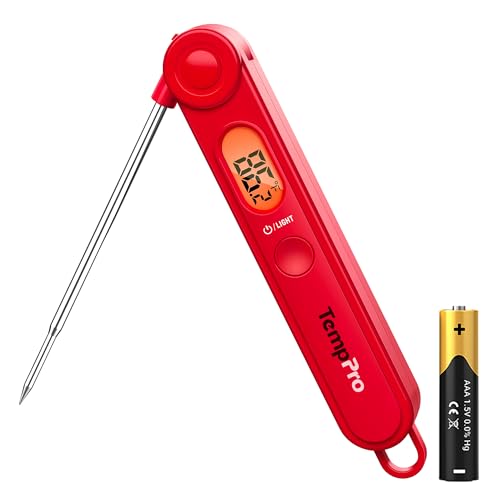
【Easy to Use】Easily release the meat probe at the push of a button, and control the backlight or power with another button. With TempPro, cooking becomes a seamless, stress-free experience
Pick a Brine & Rub That Keep the Breast Juicy
Two to three hours of brining—whether wet or dry—will lock in moisture and flavor, so pick a method that fits your schedule and fridge space. For a wet brine composition, mix water, apple juice, kosher salt, and a sweetener like maple syrup or brown sugar; heat to dissolve, chill, then submerge the breast for 6‑8 hours. If space is tight, try a dry brine application: coat the meat with kosher salt, garlic powder, herbs, and peppercorns, let it sit exposed for the same period, then rinse and pat dry. After brining, spread a thin layer of garlic‑herb butter and sprinkle a three‑tablespoon rub on the skin. This combo seals juices, adds browning, and keeps the turkey succulent throughout smoking. Ensure the turkey breast is fully submerged in the brine to maximize flavor absorption. Use a reliable meat thermometer to monitor the internal temperature and ensure the turkey breast reaches the desired doneness level during the smoking process.

FLAVOR PACKED BRINE BASE: Brown sugar brings a gentle sweetness while Worcestershire powder and a curated blend of garlic, onion and pepper deepen the savory note, giving every turkey from backyard smoker to holiday oven roast a balanced taste profile without overpowering the natural poultry character.

FLAVORFUL & JUICY: Mrs. Wages & Orrington Farms Turkey Brine Mix expertly combines a savory blend of berries, herbs and spices that are sure to infuse your turkey with rich juicy flavor!
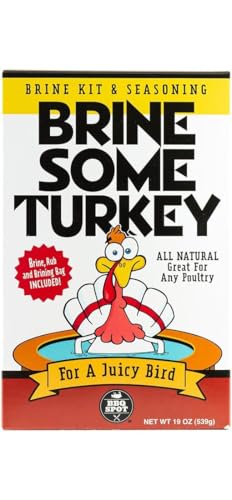
Brine mix helps retain moisture during cooking
Prepare the Turkey Breast & Set Up Your Smoker
Pick an 8‑10 lb bone‑in breast, rinse and pat it dry, then let it air‑dry exposed in the fridge for a few hours to form a tacky pellicle. Use a proper brine to weight ratio—1.5 % salt by weight—to guarantee flavor and moisture. Rinse thoroughly, pat dry, and air‑dry uncovered for 1‑3 hours; this creates even meat drying and a tacky surface for smoke adherence. Spread two tablespoons softened butter on the skin, then a light coat of olive oil or mayonnaise to bind the rub. Generously season all sides with your chosen poultry rub, massaging it into the skin. Preheat the smoker to 230‑240 °F, add a water pan, and choose apple, cherry, hickory, or maple wood. Insert a probe into the thickest part, place the breast skin‑side down on the grate, close the lid, and let it stabilize before cooking. Let the meat rest 15 to 20 minutes after smoking to retain juices and maximize tenderness. Remember to monitor internal temperature rather than relying on cooking time alone.

Applegate, Organic Oven Roasted Turkey Breast, 6oz

Applegate, Natural Oven Roasted Turkey Breast, 7oz

Applegate, Natural Oven Roasted Turkey Breast Family Size, 10.5oz
Low‑Temp Smoking: 30 Min / lb for Smoked Turkey Breast
With the breast pre‑seasoned and the smoker preheated, set the temperature to a steady 225‑250 °F and aim for roughly 30 minutes per pound. Keep the smoker within the ideal smoker temperatures range; this low‑temp zone preserves moisture and lets smoke penetrate evenly. Insert a probe into the thickest part and watch for the proper cooking time estimates: about 30 minutes per pound at 225 °F, dropping to 25 minutes per pound if you edge toward 250 °F. Monitor the internal reading, targeting a pull at 160 °F to allow carry‑over to the safe 165 °F. Maintain steady heat, avoid spikes, and let the turkey rest 15‑20 minutes before slicing for juicy, tender results. Using a reliable probe thermometer ensures you’re accurately tracking the internal temperature throughout the smoking process. Brining the outermost parts helps protect them from overcooking during the low‑temp smoke.
Mid‑Smoke Adjustments for Smoked Turkey Breast
A solid rule of thumb is to raise the smoker to 275 °F once the turkey breast hits about 130 °F internal, then wrap it tightly in foil with butter‑spotted skin and continue cooking while basting every 30 minutes. This mid‑smoke step sharpens moisture management and refines thermal control. Keep the smoker steady at 275 °F, resisting the urge to jump to 375 °F, which would create gradients and dry the outer layer. Baste with melted butter or pan juices at each 30‑minute interval, letting the foil trap steam and keep the meat juicy. If you notice the bark softening, reapply a light rub, but avoid extra salt. Maintain this rhythm until the internal temperature approaches 155‑160 °F, then pull and rest. Allowing the turkey breast to rest for 10 to 15 minutes after smoking ensures that juices redistribute throughout the meat for optimal moisture and tenderness. Brining helps the meat retain moisture throughout the smoking process.
Monitor Internal Temp of Smoked Turkey Breast
Keeping a close eye on the turkey breast’s internal temperature is crucial for achieving a juicy, safe result. You should insert an instant‑read probe into the thickest part, avoiding bone and fat, and start checking at 155°F (68°C). As the temperature climbs, keep monitoring temperature consistency by testing multiple spots, including the thigh, to catch any hot spots. Verifying temperature accuracy with a calibrated thermometer prevents premature pulls that dry the meat. Aim for a pull temperature of 160°F (71°C) when smoking at 225‑250°F (107‑121°C) to allow a 5‑10°F rise during rest. Staying within the 160‑165°F (71‑74°C) ideal range balances safety and moisture, while lower smoker temps minimize carryover cooking and surface overcooking. For enhanced results, consider using wood pellets to add additional smoke flavor during the smoking process. A 165°F internal temperature is the USDA‑recommended safe level, but pulling at 155°F and allowing carryover can still yield a moist turkey.
How Long to Rest a Smoked Turkey Breast for Juiciness
How long should you rest a smoked turkey breast to keep it juicy? You need at least 15‑20 minutes, but 30‑45 minutes yields noticeably better moisture content. For larger breasts, aim for 45 minutes to an hour; you can even stretch to two hours if you keep the meat wrapped. Use heavy‑duty foil and a towel blanket or a small cooler to hold the resting temperature steady. The foil traps steam while the towels prevent heat loss, allowing juices to reabsorb into the muscle fibers. Butter pads add extra richness, but the key is insulation, not reheating. This brief, insulated rest redistributes fluids, relaxes fibers, and delivers a tender, juicy slice when you carve. A 5‑7 lb bird is ideal for achieving optimal tenderness and cooking time.
Troubleshoot Smoked Turkey Breast: Over‑cooking, Dryness, Smoke‑Flavor Issues
What’s causing your smoked turkey breast to turn dry, overcooked, or overly smoky? You likely let it cook past 160°F, used too much wood, or skipped butter. To fix over‑cooking, slice the breast, drizzle two tablespoons melted butter, add 1‑1.5 cups broth, foil‑seal, and bake at 200°F for 15 minutes. Prevent dryness by inserting butter before smoking, pulling at 160°F, and dipping slices in juice or butter after slicing. For smoke aroma control, limit wood to a light kiss, keep the fire clean with lump charcoal, and wrap the breast once it darkens to stop excess absorption. When reheating leftover smoked turkey breast, consider using low to medium heat with a small amount of water and covering the pan to reheat evenly without drying. Aim for a golden brown finish—this signals flavor profile balance without an ash‑tray taste. Adding a turkey broth can also help moisten the meat and enhance flavor.