Start by making a brine of water, kosher salt, brown sugar, and optional citrus peels, herbs, garlic, and whole spices; bring it to a boil, dissolve everything, then cool and submerge the turkey legs, refrigerating 16‑24 hours. After brining, dry‑salt the legs 24 hours early, rinse briefly, and dust with a light herb rub, using a mist of olive‑oil or melted butter to help it stick. Preheat your smoker to a steady 225‑250 °F, place a drip pan beneath the rack, and smoke the legs until an ambient probe reads 160 °F, then close the lid and let carry‑over heat bring the internal temperature to 165 °F. Rest the legs 5‑15 minutes before serving, and you’ll find the next sections reveal even more tips for perfect results.
Create a Juicy‑Turkey Brine
When you start the brine, combine water, kosher salt, and brown sugar in a large pot, bring it to a boil, and simmer until everything dissolves—this creates the foundation that will penetrate the turkey’s fibers, lock in moisture, and balance the salt’s bite with a subtle sweetness. After the mixture cools, add any extra water or apple cider needed to fully submerge the bird, then stir in citrus peels, fresh herbs, garlic, and whole spices for depth. Choose a brine container that can hold the turkey comfortably—stainless steel buckets, heavy‑duty bags, or a deep roasting pan work well. Seal the vessel, refrigerate, and observe a brining duration of 16 to 24 hours for ideal flavor absorption and juiciness. For enhanced moisture retention, consider using a probe thermometer to monitor the internal temperature during the cooking process after brining. Dry brine can be used as an alternative method, offering a mess‑free process and resulting in crispier skin.
Salt the Legs 24 Hours Early – Why It Matters
A solid 24‑hour salt‑dry‑brine is the single most effective step for turkey legs because it forces moisture out of the muscle cells, then lets the meat reabsorb that liquid loaded with dissolved salt, delivering juicier, more tender meat. During this period, osmosis pulls water to the surface, where it mixes with coarse kosher salt, creating a brine that the fibers soak back in. This process guarantees uniform salt distribution throughout each leg, so flavor penetrates deep rather than lingering on the exterior. The extended exposure also locks in moisture, granting even moisture retention when you later smoke at low heat**** helps preserve the juiciness achieved by the brine. Rinse briefly after the 24 hours to remove excess surface salt while preserving the internal moisture that keeps the meat succulent. Smoking at a low temperature helps preserve the juiciness achieved by the brine.
Apply a Light Rub Without Over‑Coating the Skin
Even after you’ve patted the legs dry, a light rub is key; sprinkle a modest amount of your chosen BBQ blend over the skin, then gently pat it in, ensuring the spices cling without forming a thick crust. Aim for an ideal rub consistency—dry enough to dust evenly but moist enough to adhere when you pat it. Use a small spoon to distribute the blend across all sides, then tap the surface lightly; this guarantees proper seasoning application without a heavy layer. If you prefer a binder, a mist of olive‑oil spray or a thin film of melted butter can help the rub stick, but avoid excess oil that could mask flavor. Let the legs rest fifteen minutes so the spices bond before they enter the smoker. The turkey legs should be seasoned at least 24 hours before smoking to enhance flavor penetration. Consider using techniques such as spraying with apple cider vinegar during the smoking process to help keep the meat moist and improve overall texture.
Set Up a Stable 225‑250 °F Smoker for Turkey Legs
Kick off the process by preheating your smoker to a steady 225‑250 °F, lid closed for at least 15 minutes, so the chamber reaches the target range before the turkey legs touch the grates. While the heat builds, focus on proper wood chip preparation: soak mild fruit chips—apple, cherry, or maple—for 30 minutes, then drain and add them to the smoker tube after the charcoal turns white. If you prefer a richer flavor, use hickory chunks, but keep the amount modest to avoid overpowering the meat. Arrange a drip pan directly beneath the rack to catch juices and maintain consistent airflow. Verify the ideal smoker settings with a probe on the grate and an instant‑read thermometer in the thickest leg, ensuring the temperature stays within the 225‑250 °F window throughout the smoke. Allow the meat to rest before serving to concentrate flavors and lock in juices. Adding a dry brine after the brine step can further enhance moisture retention and flavor.


1.8 LB APPLE WOOD CHIPS FOR SWEET & FRUITY SMOKE FLAVOR – Elevate your grilling and smoking with this 1.8-pound bag of premium apple wood chips, ideal for infusing meats, poultry, seafood, and veggies with a mild, sweet, and fruity aroma. Perfect for use in charcoal grills, gas grills, electric grills and smokers, these high-quality smoking chips deliver consistent flavor and slow, even smoldering for delicious results. A must-have for BBQ lovers, pitmasters, and home cooks who want to enhance outdoor cooking and gourmet meals with a signature touch of natural smoke.

Smoke at 250 °F Until Internal Temp Reaches 165 °F
Two hours into the smoke, keep the smoker steadied at 250 °F and monitor the legs with an ambient probe placed beside the meat. You’ll see the thermometer climb steadily; accurate temperature monitoring is essential for achieving food safety. When the probe reads 160 °F, close the lid and let carry‑over heat push the internal temperature to the USDA‑mandated 165 °F. Resist the urge to open the smoker—each opening drops the chamber temperature and prolongs the cook. Trust the ambient probe over visual cues; the thickest part of the thigh must hit 165 °F before you pull the legs. After removal, let them rest 5‑15 minutes; the residual heat finalizes the safe temperature while keeping the meat juicy and tender. Maintain a steady 225‑240°F smoker temperature to prevent over‑cooking. For optimal results, consider brining the turkey beforehand to enhance moisture retention throughout the smoking process.
Boost Turkey‑Leg Moisture With a 3‑1 Cider Vinegar Spritz
Once the legs hit 165 °F and you close the smoker, keep the moisture locked in by spritzing a 3‑to‑1 mixture of water (or apple cider) and cider vinegar every 30‑60 minutes. Use a spray bottle to guarantee appropriate spritz application, coating the skin and exposed meat evenly. The acid in the vinegar initiates the tenderizing effects of vinegar, breaking down proteins and allowing salt to penetrate deeper, which mimics a brine without the hassle. This mist maintains surface humidity, preventing the lean turkey legs from drying out during the low‑heat phase. Simultaneously, the cider adds a subtle tang that complements the smoke, while the water dilutes the acidity enough to keep flavors balanced. For optimal results, consider tenting with aluminum foil to further seal in juices during the final stages of cooking. Repeat until the final internal temperature is reached. Brining turkey legs helps maximize their flavor and juiciness, so the spritz acts as a quick brine alternative.
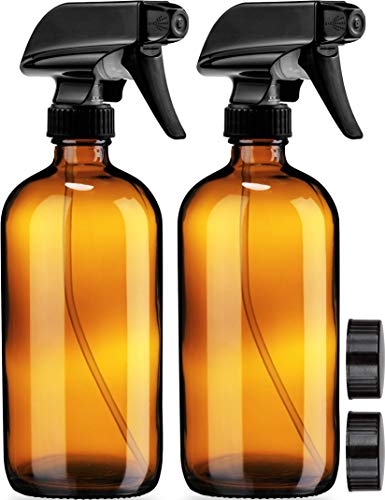
UV protection - heavy duty protection against degradation from ultraviolet light and keeps your essential oils safe plus the glass is not affected by strong oils like citrus.

SMOKERS CHOICE is The Original Apple Cider Vinegar Spray, Providing Richer Smoke Flavors While Maintaining Meat Moisture Helping Rubs Absorb Better

【HDPE Eco-Friendly Material】Empty Spray Bottles for Cleaning Solutions are Manufactured With Strong HDPE, the BPA-Free Plastic Durable and Chemical Resistant. Cleaning Spray Bottle Unlike Glass, No Longer Need to Worry About the Bottle Shattering If It Accidentally Falls. The product is not easily spoiled
Finish With a High‑Heat 325 °F Blast for Crispy Skin
Ready for that irresistible crunch? Crank your smoker or pellet grill from 225 °F to a steady 325 °F after the two‑hour smoke. Keep the temperature locked at 325 °F while you aim for an internal 170 °F; this precise heat renders sub‑cutaneous fat and caramelizes the rub’s sugars, delivering top‑notch crispy skin quality. Flip each leg every 30‑60 seconds if you’re using direct heat, ensuring even heat distribution across the surface. Limit the blast to five minutes total to avoid charring, and monitor the probe closely—once the thickest spot hits 170 °F, pull the legs off. The rapid, uniform heat dries surface moisture, forming a golden, crackling crust that signals perfect pull‑apart tenderness. The brine helps keep the meat juicy during the high‑heat finish. For any leftover legs, remember that slow and gentle heating methods like low-temperature oven reheating are ideal for maintaining moisture and texture.
Rest, Wrap, and Reheat for Pull‑Apart Meat
After the 325 °F blast gives you that coveted crackling, let the legs cool just enough to handle, then wrap each one tightly in heavy‑duty aluminum foil. The sealed foil locks in steam, which helps you maximize moisture retention while the meat rests. Let the wrapped legs sit 10‑15 minutes; the juices redistribute, creating a tender, pull‑apart texture. If you need to transport them, keep the foil on a cooler base to preserve heat and moisture. When you’re ready to reheat, preheat the oven to 250 °F, place the foil‑wrapped legs in a pan with 2‑3 cups water or broth, and bake 35‑40 minutes until the internal temperature reaches 155 °F. This low‑heat, covered method guarantees the desired texture without drying out, similar to reheating techniques that use added liquid and proper covering to retain moisture. For even more tenderness, you can slow‑cook the legs for 5‑6 hours in a crockpot with just water.
Troubleshoot Dryness, Undercooked Meat, and Flavor Imbalance
If you notice the turkey legs turning dry, undercooked, or lacking flavor, start by checking three key variables: moisture retention, internal temperature, and seasoning balance. To troubleshoot texture, brine the legs for 24 hours with kosher salt, brown sugar, and curing salt, then pat them dry and apply a light rub—avoid a heavy coating that creates a moisture barrier. Smoke at 250‑275 °F, wrapping the bone end with foil once the internal temperature hits 145 °F to lock in juices and prevent skin shrinkage. For undercooking, insert the probe into the thickest part, aim for 165 °F, and use a 2‑zone setup if needed. To maximize tenderness and flavor balance, dry‑salt exposed for 24 hours, then finish with a tangy mop or brief barbecue‑sauce basting over coals. Resting the turkey legs after smoking by wrapping them in foil also helps maintain juiciness before serving. Disney legs are injected with a curing solution that gives them a distinctive pink hue and flavor.

THE PERFECT FATHER’S DAY GIFT FOR BBQ & TURKEY LOVERS – Looking for Father’s Day gift ideas for dad, Father’s Day gifts for husband, or BBQ gifts for men? This flavorful turkey brine helps create juicy, tender poultry that’s perfect for holiday meals, backyard smoking, and family gatherings.
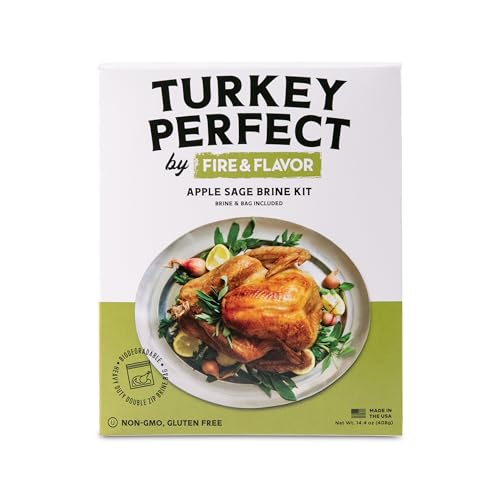
MAKE YOUR BEST TURKEY: In 5 simple steps, you'll have your best-tasting turkey ever. The brine ensures excellent flavor, and the bag keeps your turkey moist and tender. Our kit is gluten-free, non-GMO, and kosher.

Quick Reference Cheat Sheet: Times, Temps, and Key Steps
Wrap the essential steps into a single cheat sheet so you can glance at times, temperatures, and key actions without missing a beat. Brine the turkey legs 24 hours in cold water, salt, and seasonings; rinse, pat dry, and coat with olive oil before applying rub. Preheat smoker to 225‑275°F. Smoke at 225°F for 2‑3 hours, then hold 245‑260°F for 2.5‑3.5 hours, raising to 275°F for crisping. Smoke to 145°F, wrap bone end, and continue to 160°F; brush sauce, then finish at 275°F for 30‑60 minutes. Rest 5‑30 minutes, then hold in 200°F oven or cooler for an hour. This timeline guarantees marinated turkey texture and efficient smoke absorption while keeping the meat juicy and the skin crisp. For enhanced flavor, consider creating an herb-infused butter mixture to rub under the skin before smoking. Applewood pellets add a subtle sweetness that enhances the overall flavor profile.


