
Pat the turkey dry, let it sit an hour, then loosen the breast skin and rub butter underneath. Season the cavity with a pork & poultry rub, truss the legs, and tuck the wings. Preheat the Traeger to 225‑275 °F, add apple or cherry pellets, and smoke for 2‑4 hours, inserting a probe into the thickest breast. When the breast hits 130‑135 °F, wrap it in foil, raise the grill to 300 °F with a water pan, and cook until the breast reaches 160 °F and the thigh 175 °F. Finish with a high‑heat blast for crisp skin, rest 20‑30 minutes, then carve; the next sections reveal deeper tips on brining, spritzing, and storage.
How to Smoke a Turkey on a Traeger
If you want a juicy, smoky turkey without the guesswork, start by prepping the bird and setting up your Traeger before the heat even kicks in. Pat the turkey dry, let it sit at room temperature for an hour, loosen the breast skin, and rub butter under it. Truss the legs, tuck the wings, and insert a thermometer probe into the thickest breast or thigh. Preheat the Traeger to 225‑275 °F, lid closed, for 15 minutes, then engage Super Smoke for the first 2‑3 hours if available. Choose pellet type selection wisely—apple, cherry, maple, or hickory all work, but fruit blends add subtle sweetness. Smoke at 150‑275 °F for 2‑4 hours smoke time recommendations, then raise the grill to 250‑350 °F until the breast hits 160 °F and the thigh 165‑175 °F. For food safety, remove the turkey when the thigh reaches 165 °F internal temperature and allow it to rest covered in foil for carry-over cooking. Avoid frequent lid openings, and finish with a quick oven blast for crisp skin. Do not stuff the turkey, and cook the stuffing separately.
Dry vs. Liquid Brine: Which Is Best?
When you weigh dry versus liquid brine, the choice hinges on space, flavor depth, and skin crispness. Dry brining needs only a rack and a rimmed sheet, giving you ease of preparation and freeing up fridge space. Salt draws out moisture, then reabsorbs it as a concentrated brine, yielding consistent moisture distribution without adding liquid. You end up with a crisp, browned skin because the surface stays dry. Wet brining submerges the bird in a salty bath, allowing extra aromatics and guaranteeing uniform salt penetration, but it demands a large container, careful sealing, and more fridge real. It adds weight and moisture, yet the skin can become rubbery. For a Traeger‑smoked turkey, dry brine often delivers superior flavor, texture, and skin crispness with far less hassle. Dry brining also helps the turkey retain the moisture it already has. Additionally, maintaining internal temperature accuracy with a meat thermometer ensures your brined turkey reaches the safe minimum of 160°F to 165°F in the breast.

FLAVOR PACKED BRINE BASE: Brown sugar brings a gentle sweetness while Worcestershire powder and a curated blend of garlic, onion and pepper deepen the savory note, giving every turkey from backyard smoker to holiday oven roast a balanced taste profile without overpowering the natural poultry character.

HIC Kitchen Roasting Turkey Brining Bag: Prepares turkey to stay tender, juicy, and flavorful during long cooking methods; perfect for everyday meals, Thanksgiving, Christmas, and holiday entertaining

MAKE YOUR BEST TURKEY: In 5 simple steps, you'll have your best-tasting turkey ever. The brine ensures excellent flavor, and the bag keeps your turkey moist and tender. Our kit is gluten-free, non-GMO, and kosher.
Prep the Bird: Butter Rub, Skin, and Seasoning
Even though the turkey’s skin can be stubborn, you’ll get the best flavor and crispness by first creating a buttery herb pocket under the breast skin, then seasoning the cavity and exterior with the Traeger Pork & Poultry Rub. Begin by softening ½ pound unsalted butter; blend in 2 Tbsp chopped parsley, sage, rosemary, marjoram, thyme, 6 minced garlic cloves, 1 Tbsp cracked black pepper, and ½‑1 Tbsp kosher salt. The butter texture should be fluffy, not greasy. Gently separate the breast skin, forming a ¼‑inch pocket, and spread half the mixture inside, pressing firmly to embed flavor. Season the cavity with 2 Tbsp rub, then rub the remaining butter over the outer skin. Finish with ½ cup Traeger Pork & Poultry Rub, ensuring even coverage and a perfect ingredient ratio for crisp, aromatic results. For added moisture and flavor retention, use a meat thermometer to verify your turkey reaches the proper internal temperature throughout cooking. Brine the turkey according to the Traeger Turkey Brine Kit instructions for added juiciness.

The only rub you need for a turkey bursting with warm, comforting flavor

ALL-IN-ONE TURKEY RUB FOR ROASTING, GRILLING, SMOKING & FRYING. A premium turkey dry rub ideal for whole turkeys, breasts, or legs. Apply before cooking to lock in moisture and create a flavorful crust. Great in kitchen ovens or on backyard grills.

Savory Butter Flavor: Infused with the rich taste of real butter, garlic, herbs, and pepper for that indulgent cowboy-style finish
Smoke the Turkey: Temperature Stages & Spritzing
Kick off the smoke by preheating your Traeger to 225 °F, lid closed for 15 minutes, then load hardwood chips—apple, cherry, or hickory—to create a steady veil of flavor. Keep temperature consistency at 225 °F for the first 3–4 hours, using the low‑smoke setting (150‑160 °F) or Super Smoke at 165 °F for the initial two hours. Spritz the bird with apple cider vinegar every 20‑30 minutes, starting after the first smoke setup, to lock in moisture and help the smoke cling. After the low‑smoke phase, raise the grill to 250 °F, then to 300 °F once the internal temperature hits 130‑135 °F. When the breast reaches 100‑110 °F, bump it to 350 °F for a final crisp. A dry brine overnight helps the skin dry for extra crispness. Use a reliable meat thermometer to monitor internal temperature throughout the smoking process. Your wood chip selection and steady temperature stages guarantee deep flavor and juicy meat.

Subtle Sweet flavor

Subtle Sweet flavor
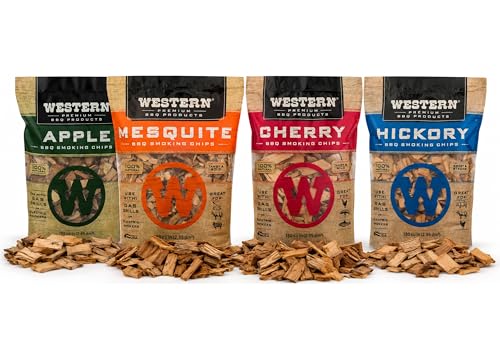
Western BBQ Smoking Wood Chips Variety Pack Bundle (4)- Apple, Mesquite, Hickory, and Cherry Flavors (Original Version)
Monitor Internal Temp and Wrap in Foil When Needed
Curious how to keep your turkey juicy while hitting target temps? You’ll want precise probe placement and diligent temperature tracking. Slip a leave‑in wired or wireless thermometer into the thickest part of the breast, avoiding bone, and do the same for the thigh. Watch the display; when the breast hits 130‑135 °F, wrap it in three overlapped foil sheets brushed with melted butter. Remove the probe briefly, then tuck it back in after sealing. Increase the smoker to 300 °F and add a water pan for humidity. Keep tracking until the breast reaches 160 °F and the thigh 175 °F; the carry‑over will push the breast to a safe 165 °F during the 20‑30‑minute rest. Using mild fruitwoods for smoke flavor will enhance the overall taste of your turkey. Use a dry brine for extra moisture retention.
Crispy‑Skin Finish: Oven Blast or High‑Heat Smoker
You’ll finish your turkey with a crisp, golden skin by either blasting it in a hot oven or cranking the Traeger to high heat. First, air‑dry the bird exposed overnight for moisture management, then dust the skin with baking powder and spray duck fat for skin texture enhancement. When the smoker hits 140‑145°F internal, pull the turkey and preheat your oven to 425°F. Place it on the lower rack, roast until the breast reaches 160°F, and enjoy a deep brown, crackly finish while preserving smoke flavor.
If you prefer the smoker, raise the Traeger to 250°F after the initial 3‑4 hours, spatchcock the bird, and continue until the breast hits 160°F. The higher heat and uncovered surface give a comparable crunch, especially on organic skin, while butter under the skin boosts browning. Monitor with a probe to avoid overcooking. Spatchcock ensures more even cooking and faster heat penetration. Like smoking a butterflied chicken, cooking at low temperatures initially allows smoke flavor to infuse before finishing with higher heat for a crispy exterior.
Rest, Carve, and Serve: Timing and Storage Tips
A solid 20‑minute rest after pulling the turkey from the Traeger lets the juices redistribute, guarantees the breast stays at a safe 165°F, and brings the thigh up to its target 175°F before you carve. Let the bird sit exposed on a cutting board; this proper resting duration lets the internal heat even out without steaming. Resting the turkey loosely covered or exposed helps prevent the exterior from becoming soggy while maintaining moisture throughout the meat. After the rest, check the breast and thigh with a Thermapen—aim for an ideal slicing temperature of 160‑165°F for the breast and 175°F for the thigh. Slice against the grain, serve immediately, and keep sides warm. Transfer any leftovers to airtight containers within two hours, refrigerate at 40°F or lower, and reheat to 165°F before eating. Freeze leftovers within four days for longer storage. For optimal juiciness, monitor internal temperature throughout the process.


