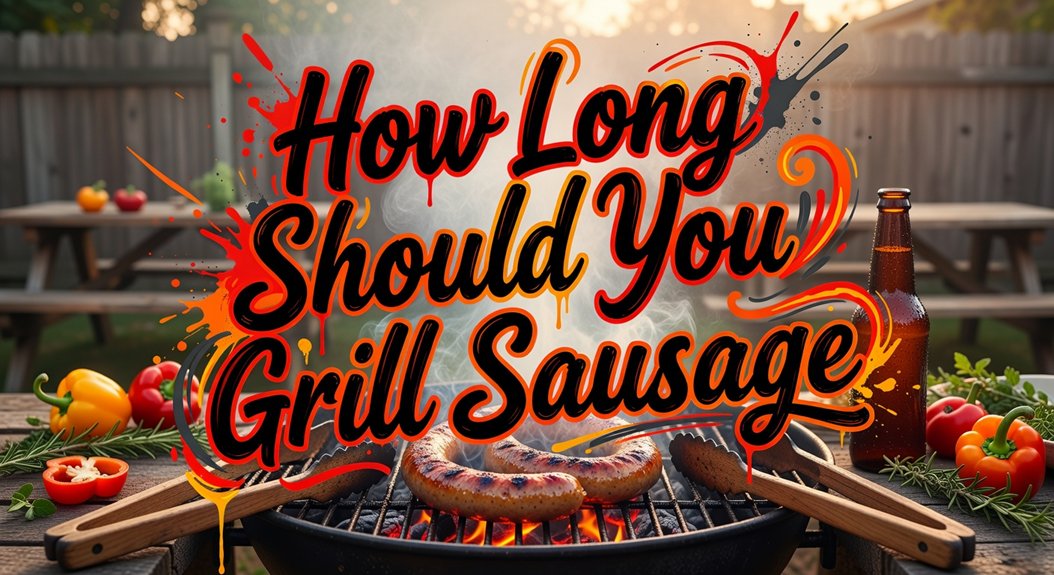
Heat your grill to a steady 300‑350°F and place the sausages over indirect heat for 8‑10 minutes, flipping once halfway through. When they’re nearly done, move them to a direct flame for a 1‑2‑minute sear each side to crisp the casing and add char. Aim for an internal temperature of at least 155°F (160°F for safety) before you let them rest 5‑10 minutes to lock in juices, and you’ll uncover even more tips on perfect grilling.
Essential Sausage‑Grilling Basics
Where do you start when you want perfect sausage on the grill? First, let the links sit out for 30 minutes so it reaches room temperature; this shortens cooking time and yields uniform heat. Choose a sausage size that fits your grill’s two‑zone setup—about 4–5 inches long and 1 inch thick gives a balanced interior and crust. Pay attention to sausage casing characteristics: natural casings trap juices and stay supple, while synthetic ones resist splitting. Arrange the links near the hot side without crossing over the flame, then seal the lid and cook on indirect heat for 8–10 minutes, flipping halfway. Aim for an internal temperature of 150 °F before the final direct‑heat sear. Resting your sausages for 5 to 10 minutes after grilling helps seal in the juices for maximum flavor. The two‑zone method ensures even cooking and a perfect crust.
Choose the Right Grill Temperature for Each Sausage Type
Set your grill to a steady 300‑350 °F indirect zone before you even think about placing the sausages, because that temperature range lets every variety—fresh raw, fully smoked, poultry, or pre‑cooked—cook evenly without bursting the casing. For fresh raw links, hold the zone at 300‑350 °F and turn frequently; aim for a 155°F pull‑off so the carry‑over reaches the safe 160°F, preserving a juicy flavor profile and cook consistency. Fully smoked links need only 15‑20 minutes at the same range, or a quick 325°F burst, to hit 165°F and lock in smoky depth. Poultry sausages benefit from a medium‑high indirect start, then a steady 350°F finish to reach 165°F without splitting. Pre‑cooked links require a brief 350°F finish, rotating often, to achieve a crisp casing and uniform flavor profile. As with burgers, it is important not to press down on the sausages to retain juices and prevent flare-ups. All meat should be thawed completely before heating.
Direct vs. Indirect Heat: Which Method Yields the Best Results?
Usually you’ll start with indirect heat to cook the sausage through without bursting, then finish over direct flame for that coveted char. The indirect heat application lets the interior rise gently, keeping juices locked and preventing a skin‑splitting burst. As the temperature steadies between 275‑350 °F, the sausage cooks evenly, soaking up subtle smoke if you add wood chips. When it’s nearly done, shift it to direct heat variations for a minute or two. The intense radiant heat creates caramelized grill marks, a crisp crust, and that smoky bite you crave. This two‑zone dance balances tenderness and flavor, delivering a juicy interior and a perfectly charred exterior every time. Preheating the grill for 10‑15 minutes ensures consistent temperature throughout the cooking process.
Grill Fresh Pork or Beef Sausage – Time, Temp, and Tips
After mastering the two‑zone dance of indirect then direct heat, you’ll want to fine‑tune the specifics for fresh pork or beef sausage. Preheat your grill to a steady 300‑375 °F, keeping it in the 300‑325 °F sweet spot for Italian links or bratwurst. Place sausages on the unlit side for 8‑10 minutes, then flip gently with tongs and finish over direct flame for about 2 minutes per side. Thin links need 6‑8 minutes total, thick links 10‑12 minutes; aim for an internal temperature of 160‑165 °F, inserting the thermometer at the end to preserve adequate moisture retention. If you don’t have access to a grill, stovetop and oven methods offer convenient alternatives for cooking sausages while maintaining juiciness and flavor. Turn once halfway through to achieve consistent browning, keep the lid closed during indirect cooking, and let the sausages rest a few minutes before serving. Use a meat thermometer to verify the temperature.

TEMPERATURE GAUGE: Place directly on cooking surface for precise and easy use

The 2 3/8" large face of the temperature gauge makes it easy to read and classify the temperature of your food. The Stem is 2 7/8"

BBQ / Grill pit thermometer, safe and environmentally friendly.
Grill Fresh Poultry Sausage – Safe Temperature & Timing
A fresh poultry sausage hits the grill at a steady 350 °F, letting the meat stay juicy while you build flavor. You’ll want to preheat the grill, then lower to a medium zone (300‑375 °F) to avoid casing splits. Place the links on the indirect part for eight minutes per side, then finish on direct heat for two minutes per side, turning every few minutes with tongs. Keep an eye on sausage size variations—thicker links need a minute or two extra, while slimmer ones finish sooner. The effect of grill surface matters: a clean, lightly oiled grate prevents sticking and promotes even browning. Use a meat thermometer; pull the sausage just before it hits 165 °F, letting carry‑over heat bring it to the safe internal temperature. Rest briefly before serving. For optimal results, consider parboiling the sausages before grilling to firm up the casing and lock in juiciness. Medium heat ensures even cooking and proper fat rendering.
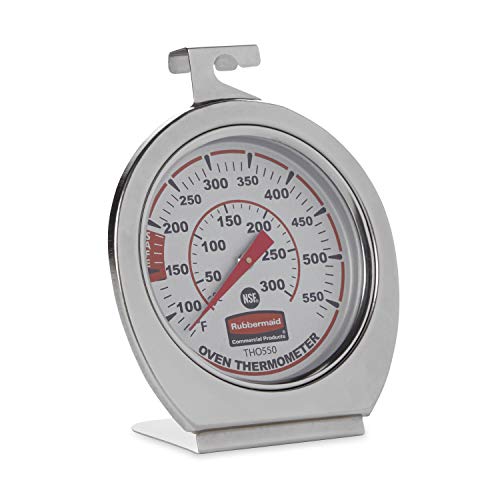
FOOD SAFETY: Thermometer displays true oven temperature instantly to ensure safe food preparation
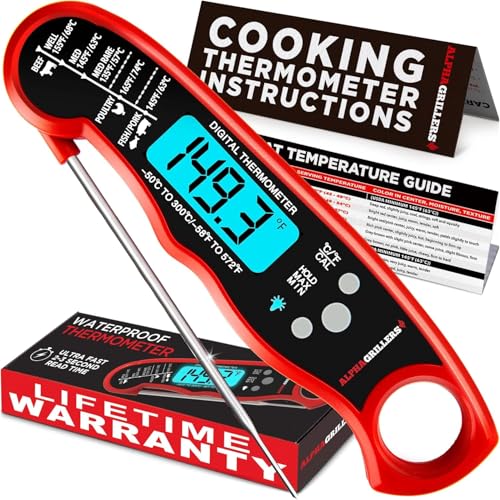
Instant Read Food Thermometer | Our instant read thermometer features a temperature probe and advanced, highly accurate technology with 1-2 seconds response time; Instructions, meat temperature chart, comes pre-calibrated for your convenience, and recalibrating feature if needed.

【Ultra-Fast & Precision Accurate】This meat thermometer digital delivers accurate readings within ±1°F/±1°C in just 2–3 seconds, with a wide temperature range of -58°F to 572°F (-50°C to 300°C). No more waiting over the heat - know your food's exact temperature instantly.
Cook Smoked or Pre‑Cooked Sausage – Faster Times & Temp Targets
Turn up the grill to a steady 350 °F and let the smoked or pre‑cooked sausages glide over the heat, because that temperature reheats them quickly while keeping the casings intact. Begin by searing each side for 1–2 minutes on direct medium heat, then shift to indirect heat and turn them halfway through a 10‑minute per‑side stint. Keep an instant‑read thermometer handy; you’ll aim for sausage internal temperatures of 145‑155 °F for smoked varieties and 160‑165 °F for pre‑cooked links, pulling them just before the final rise to allow carryover. Maintain a steady 350 °F to avoid flare‑ups and casing splits, and remember that smoking procedures—like a brief 225 °F pre‑smoke—can add flavor without extending the grill time. Using indirect heat and a drip pan underneath the sausages will catch excess fat and prevent flare-ups while promoting even cooking. Let the sausages rest a few minutes before serving. Consistent medium heat is key for achieving a crispy exterior without bursting the casing.
Adjust Cooking Time for Thick vs. Thin Sausage Links
Wondering how to sync grill time with sausage size? When you handle thick links, lower the grill to 300‑325°F and let them linger 15‑20 minutes, turning once halfway. The reduced heat allows the fat content to melt slowly, preventing bursts and keeping the interior juicy. For thin or pre‑cooked links, crank the temperature up to 325‑375°F and aim for 8‑10 minutes total, flipping every couple of minutes. This higher heat sears the exterior while the decreased thickness permits the fat to render quickly without drying out. Always watch the internal temperature—160°F for pork or beef, 165°F for chicken—to guarantee safety. While grilling offers excellent flavor development, air frying provides a quicker alternative that can cook smoked sausage in as little as 6 to 8 minutes for fresh slices. Adjusting the cooking technique to thickness secures even browning and maximizes flavor. Preheating the grill ensures a steady medium heat before adding the sausages.
Turn and Rest Sausage for Juicy, Evenly Cooked Results
A few simple turns and a brief rest are all you need to keep sausage juicy and evenly cooked. Grab the links with tongs or a spatula, never a fork, and rotate them every 2‑3 minutes. This steady motion prevents one side from scorching, promotes proper casing preservation, and guarantees both sides caramelize equally. When the internal reading hits 155 °F—checked with accurate temperature monitoring—pull the sausage off the grill. Let it sit for at least ten minutes on a warm spot, allowing juices to redistribute and the temperature to climb to the 165 °F target. The carry‑over heat finishes the cook, giving you a plump, evenly cooked bite every time. Low to medium heat ensures the sausage cooks through without burning the exterior, with medium heat typically ranging between 300 and 400 degrees Fahrenheit for optimal results.
Typical Sausage‑Grilling Mistakes to Avoid
If you jump straight onto a scorching grill, you’ll quickly discover that high heat cooks the casing while the interior stays raw, leading to a burnt exterior and an unsafe, undercooked center. Proper preheat preparation means warming the grill to a moderate temperature, then using indirect heat to let the sausages cook evenly. Avoid placing them directly over open flames; instead, keep them a few inches away and use flare‑up management strategies like moving them when flames lick the grill or closing the lid briefly to smother sparks. Don’t poke the casing with a fork—use tongs to flip, preserving juices. Skipping the 15‑20‑minute fridge rest will tense the meat, making it tough. Finally, never rely on guesswork; a thermometer guarantees safety and juiciness, much like how consistent temperature control is essential for smoking ribs to perfection. Simmer first to ensure even cooking before searing.
Quick Reference: Grill Temp, Cook Time, and Internal Temp Targets
Skipping the high‑heat sear and moving straight to indirect cooking leaves sausages undercooked inside while the casing burns. First, preheat the grill to 450°F and sear each side for 5‑8 minutes, establishing bold sear patterns that lock in juices and start flavor infusion. Then, shift to a 325°F medium zone, turning frequently for 15‑20 minutes until the casing stays intact and the interior cooks evenly. For thicker links, add a 10‑15‑minute low‑and‑slow stint over indirect heat, aiming for 160°F before you finish. Rest the sausages for 3‑5 minutes; they’ll climb to the safe 165°F range, delivering a perfectly browned exterior and fully cooked interior. Using a meat thermometer is essential to avoid under- or overcooking and ensure the sausages reach the proper temperature. The internal temperature of sausages should reach at least 155°F/68°C to ensure safety.