Preheat your smoker to a steady 250 °F and let it stabilize before loading the ribs. Smoke them unwrapped for two hours, spritzing with apple juice or a mop sauce every 45 minutes to build a firm bark. Then wrap the ribs tightly in foil with butter, brown sugar, or honey and continue smoking for another two hours to melt collagen and retain moisture. Finally, unwrap and finish for one more hour until the internal temperature hits 190‑195 °F for baby backs or 200‑205 °F for spares, giving you tender, fall‑off‑the‑bone meat. Keep reading to uncover the wood choices and doneness checks that perfect the process.
How Long to Smoke Ribs at 250°F – Core Timeline
A solid timeline is essential when you smoke ribs at a steady 250 °F, because the heat level dictates both bark development and collagen breakdown. Start by preheating the smoker to 250 °F and letting it stabilize, then place the racks bone‑side down. For the first two hours, keep them unwrapped; the bark forms while internal temperature climbs toward 150 °F. Apply basting methods or marinating techniques during this window to infuse flavor without dropping the smoker’s temperature. When the internal reaches 150‑160 °F, wrap in foil for the next two hours to retain moisture and accelerate collagen breakdown. Consider adding moisture enhancers like butter inside the foil to keep your ribs juicy and tender throughout the wrapping phase. Unwrap for the final hour, letting the bark set and internal temperature rise to 195‑203 °F for tender, fall‑off‑the‑bone ribs.
Baby Back vs. Spare Ribs: Timing Differences When You Smoke at 250°F
After the two‑hour unwrapped phase that builds bark and brings the internal temperature toward 150 °F, the rib type you’re smoking dictates how long you’ll keep the meat exposed before wrapping. Baby back ribs, being smaller and leaner, need only a 2‑hour smoke at 230‑250 °F, then a 2‑hour wrap, and a final hour to finish, reaching an internal 205 °F for fall‑off‑the‑bone tenderness. Spare ribs, larger with richer marbling variations, require a 3‑hour unwrapped smoke, 2‑hour wrap, and 1‑hour finish, targeting 195 °F for a soft interior and chewy crust. Adjust seasoning preferences to the rib’s weight and fat content; the membrane stays on baby backs for structure, while it’s removed from spares to let rubs penetrate fully. After smoking is complete, resting the ribs after cooking enhances both tenderness and flavor development. This timing split yields ideal texture and flavor at 250 °F. Membrane removal is essential for spare ribs to allow deeper flavor absorption.
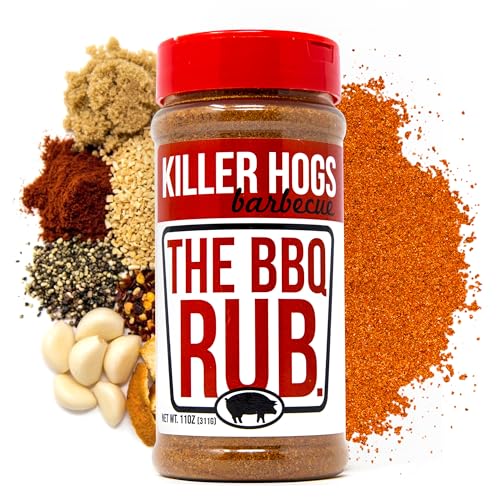
CHAMPIONSHIP PITMASTER FLAVOR: Created by the Killer Hogs Championship BBQ team, this legendary Killer Hogs BBQ Rub delivers a balance of sweetness, spice, and a subtle kick; This BBQ seasoning is ideal for beef, ribs, steak, burgers, pork, and chicken

THE PERFECT FATHER’S DAY GIFT FOR BBQ LOVERS – Looking for Father’s Day gift ideas for dad, Father’s Day gifts for husband, or BBQ gifts for men? Honey Killer Bee delivers award-winning sweet barbecue flavor that’s perfect for grill masters, pitmasters, and backyard cooks alike.

Meat Church BBQ Rub Combo: Honey Hog (14 oz) and Holy Gospel (14 oz) BBQ Rub and Seasoning for Meat and Vegetables, Gluten Free, One Bottle of Each
Step‑by‑Step 250°F Rib Smoking (Unwrapped → Wrapped → Finish)
When you set the smoker to a steady 250‑275 °F, start by placing the seasoned ribs meat‑side up directly on the grate and let them smoke unwrapped for two hours, spritzing with apple juice every 30 minutes to keep the surface moist and the rub set while the heat breaks down fat and collagen. After the unwrapped phase, lift the slab, lay it on heavy‑duty foil, and add butter, brown sugar, or honey plus a thin layer of sauce; sprinkle extra rub to let Rub composition effects deepen. Seal tightly, meat side down, and return to the smoker for 1–2 hours, letting foil steam accelerate collagen breakdown. Unwrap, place ribs back meat‑side up, and finish for another hour, aiming for an internal 190‑200 °F and a firm bend. This low‑and‑slow method ensures tenderness by allowing collagen to fully dissolve. Smoking at lower temperatures like 250°F compared to higher heat settings allows the ribs to absorb smoke flavor more effectively over the extended cooking time.

PREMIUM STAINLESS STEEL CONSTRUCTION Built to last through countless smoking sessions, this rib rack is crafted from food-grade stainless steel, offering exceptional durability, rust-resistance, and hassle-free cleanup in the dishwasher.

Premium Quality: Hunsaker Smokers' Rib Hanger is meticulously crafted in America, ensuring durable and long-lasting 304 stainless steel construction.

Time to Fire It Up –– Produce superior flavor that will drop jaws and make mouths water. These temperature chart pellet grill accessories include everything you need to know to hone your skills. From suggested wood pairings to internal temperature, smoke like a pro with these grill accessories for outdoor grill setups
How to Tell When Ribs Are Done at 250°F?
If you keep the smoker steady at 250 °F, you’ll know the ribs are done the moment the internal temperature hits the 190‑205 °F window and the meat yields effortlessly to a probe. Watch internal temperature cues: a baby‑back should read 190‑195 °F at the thickest spot, while spare ribs aim for 200‑205 °F after you unwrap. Apply mop sauce every 45 minutes; the glaze helps you gauge bark firmness and prevents drying. When you lift the rack, the bend test should show a slight bark crack without a floppy sag. Insert a leave‑in probe; it should slide like butter, confirming collagen breakdown. Finally, the visual cue of meat pulling back a quarter inch from the bone seals the doneness verdict. Proper rest times after smoking allow the meat fibers to reabsorb juices and enhance tenderness. Beef back ribs have a treasure of intercostal meat, similar to pork baby back ribs.
Choosing Wood for 250°F Rib Smoke & Flavor Boosters
One of the most critical decisions for a 250 °F rib smoke is the wood you choose, because each species burns at a distinct rate and releases a unique profile of aromatic compounds that interact with the low‑and‑slow temperature. You’ll want wood chip flavor combinations that complement the steady 250 °F heat while shaping smoked rib texture profiles. Hickory offers the longest burn and a bacon‑like depth, perfect for a firm bite; blend it with cherry for a sweet‑smokey edge that enhances mahogany color. Apple adds a clean, fruity sweetness that keeps the bark tender, while pecan supplies a nutty richness that softens the grain. Oak provides a steady medium smoke, ideal for balancing stronger woods without overwhelming the meat’s moisture retention. Choose and mix based on the desired texture and flavor intensity. For best results, ensure your wood chips maintain proper moisture levels to optimize smoke production during the low‑and‑slow cooking process. Hardwoods burn slowly and produce rich, aromatic smoke, making them ideal for low‑and‑slow rib smoking.

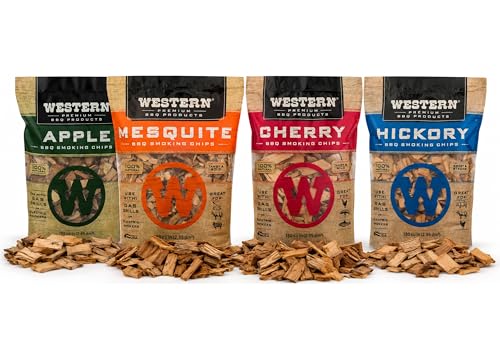
Western BBQ Smoking Wood Chips Variety Pack Bundle (4)- Apple, Mesquite, Hickory, and Cherry Flavors (Original Version)
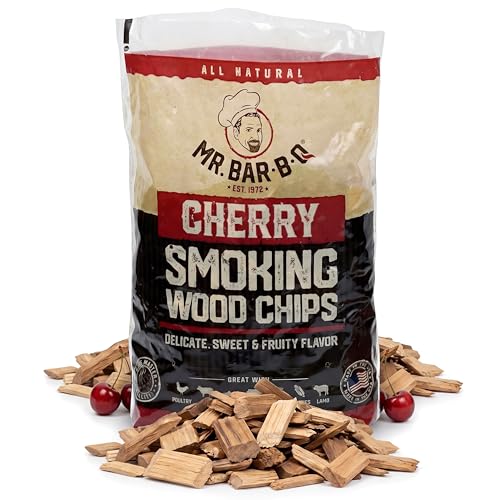
1.6 LB BAG PREMIUM CHERRY WOOD SMOKING CHIPS - Infuse your grilled and smoked dishes with a sweet, mild, and fruity smoky flavor using our high-quality cherry wood chips. Packed in a generous 1.6-pound bag, these premium chips provide ample supply for multiple smoking sessions, ensuring consistent, mouthwatering results. Perfect for use with smokers, charcoal grills, gas grills, and electric grills, they enhance the natural flavors of meats, poultry, fish, and vegetables. Whether you're hosting a backyard BBQ or experimenting with new recipes.
How Temperature Changes Affect 250°F Smoke Time
Although the target of 250 °F sets the baseline for rib smoke, even small temperature shifts can noticeably reshape cook time. A 5‑degree rise to 255 °F typically shaves five to ten minutes off a baby‑back rack, while a 10‑degree jump to 260 °F can trim fifteen minutes, because fat renders faster and the meat’s internal temperature climbs more quickly. Conversely, a 20‑degree dip to 230 °F adds roughly ten minutes per hour of smoke. Grate temperature differences matter: a dome reading of 250 °F may mask a 15‑40 °F cooler grill surface, extending the cook. Understanding temperature fluctuation impact lets you adjust for smoker quirks, keeping your ribs on track for that 195‑203 °F internal window without overcooking. Higher temps also help develop a better crust and caramelize sauces. For comparison, hot and fast cooking at significantly higher temperatures like 300°F can reduce total cook time to just 1.5 to 2 hours for baby back ribs.
Troubleshooting Common Issues When You Smoke Ribs at 250°F
Temperature swings that nudged your smoke time in the previous section also dictate the quality of the final rib. To avoid dryness by managing moisture, wrap ribs in foil after the first two hours, spray a 50/50 apple juice‑water mix every 30 minutes, and keep the smoker’s water pan full. Preventing bitterness through temperature control means staying within 245‑255°F, using a thermometer that logs real‑time data, and choosing milder woods like cherry instead of apple. Monitor internal temperature closely; aim for 198‑202°F for collagen breakdown, and use the bend test to confirm tenderness. Adjust airflow to eliminate hot spots, and add a foil boat for thick sections to keep heat uniform and moisture locked in. For optimal results, consider pre-cooking ribs in the oven before finishing them on the smoker to ensure fall-off-the-bone tenderness. The CS pork rub applied overnight adds a depth of flavor that can offset any slight bitterness from the smoke.