
Smoke a Boston butt at 225 °F for about 1–1.5 hours per pound, aiming for a 4‑6‑hour stall before you wrap it tightly in foil. Keep the internal temperature around 160 °F to wrap, then push it to 200‑205 °F for pull‑ready tenderness. Rotate hourly, spritz apple juice, and apply rub for the first three hours. After wrapping, let it finish cooking until the meat shreds like butter; the next sections will walk you through speed‑up tricks, rest times, and common pitfalls.
Smoking Time for a Boston Butt at 225°F
If you’re aiming for that perfect bark and tender pull, start the butt at 225 °F and let it smoke for five solid hours before you wrap it. During this initial phase you’ll juggle smoke intensity levels, keeping a steady hickory‑fruit blend while rotating the meat hourly for even heat distribution. Spray apple juice and apply rub each hour for the first three, ensuring the bark forms at 225‑250 °F. After five hours, wrap the butt tightly in foil, place it in an aluminum pan, and continue cooking until the internal temperature hits 200 °F—about six more hours for a ten‑pound piece. Precise temperature management and consistent smoke intensity are the only variables you truly control; everything else follows the math of two hours per pound. Wrapping helps retain the natural juices and protects the bark. Remember that resting after cooking is critical for achieving juicy results before you shred the meat.


Estimating Cook Time for Smoking a Boston Butt by Weight and Temperature
A typical Boston butt will need roughly 1–1.5 hours per pound at 225 °F, but that rule of thumb stretches to 1.5–2 hours per pound when you crank the smoker up to 250 °F and can even double at 300 °F. For a 5‑lb piece at 225 °F you’ll spend about 6–7 hours; at 250 °F expect 8–10 hours, and at 300 °F roughly half that time. Bone‑in versus boneless matters: bone‑in retains heat longer, adding 10‑15 minutes per pound. Common equipment considerations include smoker type (offset, pellet, electric), ambient temperature, and airflow, which all shift the per‑pound estimate. Larger butts stall longer, so add 1‑2 hours for every extra pound beyond 6 lb. Periodic spritzing with vinegar-water helps maintain moisture during the extended cook and can prevent stalling. Aim for an internal 195‑205 °F before pulling.
When and Why to Wrap a Boston Butt (Foil vs. Butcher Paper)
Your 5‑lb Boston butt will hit the stall around the 4‑ to 6‑hour mark, so that’s the sweet spot to wrap. At that point the bark formation is set, the internal temperature hovers between 150‑170 °F, and moisture begins to evaporate. Double‑wrap in heavy‑duty foil, add a mop of apple juice, and seal tightly; the foil locks in steam, maximizes juice retention, and shoves you through the stall toward the 200‑205 °F finish in 3‑6 hours. If you prefer a softer bark and a hint of continued smoke, switch to butcher paper at the same temperature. The paper’s breathability protects the bark, still allowing some vapor escape, which preserves moisture without the foil’s full seal. Choose based on whether you value a tighter bite or a more open, smoky texture. Wrapping also ensures even heat distribution for faster cooking. Remember that internal temperature should ultimately guide when to remove your Boston butt from the smoker, rather than relying solely on cooking time estimates.

EXTRA WIDE COVERAGE: This aluminum foil roll measures 18 inches wide to span more grill surface in one sheet, helping cover grates, pans, and larger foods with less overlap. Useful for ribs, corn, vegetables, and wide prep or storage tasks

EXTRA WIDE HEAVY DUTY REYNOLDS FOIL: This package contains one Reynolds Wrap heavy duty foil roll measuring 50 feet long by 18 inches wide (75 square feet total)
Package Includes-One (1) Reynolds Wrap Heavy Duty Aluminum Foil Roll measuring 130 feet long by 12 inches wide (130 square feet total)
Typical Doneness Signs for a Smoked Boston Butt
One reliable way to gauge a smoked Boston butt’s doneness is by checking the fat cap: when it splits open cleanly, the meat is nearing pull‑ready. The split signals advanced collagen breakdown and precedes the smooth probe insertion you’ll feel next. Slide a probe into the thickest section; if it glides like softened butter, you’re judging connective tissue breakdown correctly. Next, test the bone: a clean slide out with minimal force confirms the fall off the bone tenderness you want. Finally, perform a gentle pull test—if the meat shreds effortlessly, you’ve achieved the desired texture without overcooking. Like brisket, pork butt is naturally tough and requires low and slow cooking to break down collagen effectively. These signs together give you a precise, analytical roadmap to perfect doneness. You can also spritz the pork butt with apple juice and cider vinegar to enhance moisture and flavor during the cook.

✅ [Quality Grill Thermometer Replacement] : 2 3/8'' dial large face BBQ thermometer, can be used to measure inner temperature of barbecue grill. ★ Fits for most BBQ smokers or charcoal grill that with a 3/8” or 7/16” opening or (hole), grill thermometer replacement compatible for weber, chargrill, Charbroil, Jenn-Air Gas Grill and More Gas Grill.
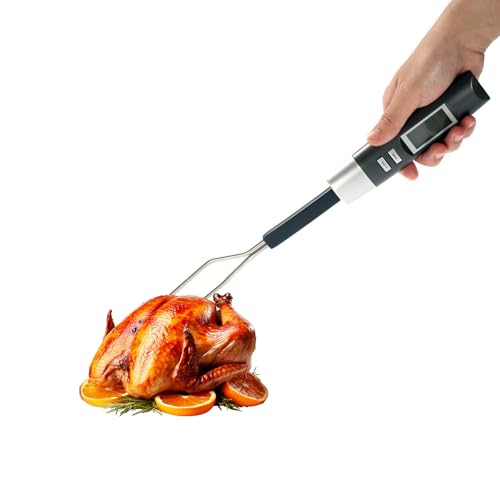
Instant Precision for Perfect Results: Engineered with a high-sensitivity stainless steel sensor, this 2-in-1 digital meat thermometer delivers ultra-fast temperature readings in just 1-2 seconds. Whether you're checking a sizzling steak or a chilled beverage, the wide temperature range (32°F–420°F / 0°C–250°C) ensures accurate results every time

PRECISE COOKING – Get accurate internal temperature readings instantly for beef, chicken, pork, fish, and other meats, ensuring perfectly cooked meals every time. Take the guesswork out of cooking with fast and reliable temperature readings.
Target Internal Temperatures for Pull‑Ready Boston Butt
Three key temperature milestones guide you to a pull‑ready Boston butt: hit 160°F, wrap, then watch the internal heat climb past the 195°F minimum, aim for the 200‑210°F sweet spot, and stop at 205°F for ideal shreddability. Insert your probe at the thickest point, avoiding bone—this is the ideal meat probe placement for accurate readings and meat moisture retention. At 160°F you wrap, which pushes the meat through the 165‑170°F stall. Keep the probe in while the temperature climbs; the smooth‑slide test confirms tenderness. When you breach 195°F you know the meat is pull‑ready, but let it rise to 200‑210°F for consistency. Stop at 205°F to guarantee perfect shreddability without drying out the pork. Lower cooking temperatures can still achieve pull‑ready tenderness if the meat is given enough time, similar to how smoking brisket at slower temperatures like 225°F requires extended cooking duration to render fat and develop texture. Wrapping in butcher paper during the cook helps maintain moisture throughout the process.
Speed‑Up the Cook: 275°F or 300°F Finishes for a Boston Butt
Two common shortcuts let you shave hours off a Boston butt without sacrificing tenderness: raise the smoker to 275 °F after wrapping, or crank it up to 300 °F for a hot‑and‑fast finish. When you hit 275 °F you stay within the collagen‑gelatinization window, so the bark forms faster and the increased flavor profile appears without a dramatic jump in moisture loss. Wrap at 160 °F internal, then let the meat finish in roughly three hours; you’ll hit 203‑207 °F and stay tender. If you prefer 300 °F, the hot‑and‑fast phase cuts the final stage to two‑four hours, preserving texture while still minimizing moisture loss. Both routes demand vigilant probing—aim for internal doneness temperatures of 200‑205 °F to guarantee pull‑ready perfection. The stall typically occurs around 160‑165 °F, but wrapping helps it through.
Resting a Smoked Boston Butt: Why 2‑3 Hours Matters
A well‑timed rest lets the juices settle and the collagen finish breaking down, so after you pull a Boston butt at 200‑205 °F you should let it sit for about two to three hours before shredding. During this window the internal temperature drops below 160 °F, allowing collagen to finish its breakdown while the meat stays warm. You’ll notice juices redistribution as the liquid migrates from the surface back into the fibers, which directly translates into texture benefits—more tender, moist shreds rather than dry fragments. Wrap the butt tightly in foil, place it in an insulated cooler or Cambro Go Box, and let it rest undisturbed. Monitoring the internal temperature with a thermometer ensures you know when the meat has cooled to the ideal texture window. A full two‑to‑three‑hour pause maximizes flavor development and guarantees every bite delivers the intended succulence. Minimum rest time is 30 minutes if you’re in a time crunch.
Typical Pitfalls When Smoking a Boston Butt and How to Fix Them
Even after a perfect rest, many smokers still stumble over common mistakes that ruin a Boston butt‘s texture and flavor. You’ll open the lid too often, letting heat escape and forcing the coals to recover, which stalls the cook and creates bitter acrid smoke. Keep the fire steady at 225‑240 °F, add fuel every 60‑90 minutes, and trust a calibrated gauge to avoid a 150 °F plateau. Missed early smoke windows and fire‑fueled bursts scorch the meat; use a low‑smoldering chip packet and keep the fire clean. For rub application timing, wait until the bark forms—about 4‑5 hours—so spices aren’t drowned. Optimize the spritz technique by misting only after the bark is set, limiting moisture spikes that prolong the stall. Wrap at the stall to preserve tenderness, and maintain indirect heat to prevent dry spots. Like brisket smoking, allowing your Boston butt to rest for an hour after cooking ensures the juices redistribute throughout the meat. Choose a 13‑16 pound boneless pork shoulder for optimal yield.


