Pick a stable offset or pellet smoker and preheat it to 225‑250 °F. Trim the 15‑lb brisket’s fat cap to about ¼ inch, pat it dry, and apply a generous rub; refrigerate 4‑24 hours for flavor penetration. Smoke unwrapped for the first 4 hours, adding oak‑cherry chunks every 30‑45 minutes, then wrap in butcher paper at 165‑175 °F and continue until the flat hits 190‑203 °F. Rest the meat for 3‑4 hours, then slice with the fat side up for a perfect finish; the next steps will show you how to fine‑tune the bark and temperature.
Pick a Smoker & Set 225‑250°F
When you choose a smoker, aim for a model that can hold a steady 225‑250 °F without constant adjustments; offset smokers like the Broil King Regal 500 or Dyna Glo excel at temperature stability, while pellet units such as the Pit Boss Austin XL give you hands‑off control. Your time to prepare shortens when the smoker reaches target heat quickly; an offset’s large barrel and charcoal box generate dense smoke and maintain heat, while a pellet grill’s digital controller locks in 225‑250 °F automatically. Efficient fuel management matters: offset units let you add charcoal in measured increments, preserving fuel for a 12‑hour cook, whereas pellet systems dispense wood pellets at a regulated rate, eliminating waste. Choose the platform that matches your workflow, then set the thermostat, let the unit stabilize, and you’ll have a reliable heat base for the brisket. Proper fire management is essential for consistent temperature. Managing the vents and dampers on your smoker allows you to fine-tune airflow and maintain steady heat throughout the long cooking process.

【Smart Upgrade for Your Existing Grill】 Upgrade your grill or smoker into a smart wireless cooking system with the ProTemp S1 grill temperature gauge. Built-in Wi Fi and Bluetooth let you monitor pit and food temperatures remotely, while real-time alerts keep you informed on compatible iOS and Android devices—including Apple Watch.
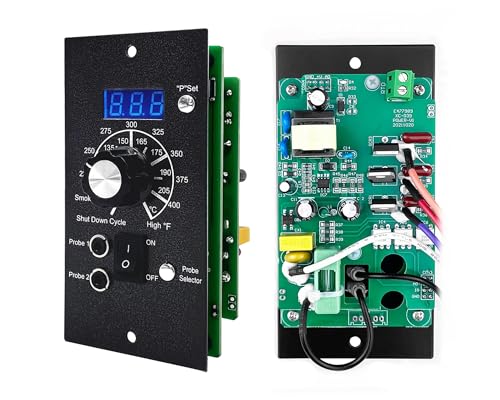
COMPATIBILITY: The grill digital thermostat is replacement for Traeger OEM part BAC365, BAC288, BAC236, fits 20, 22, & 34 Models, including Pro 20/22 34, Texas Elite 34, Lil Tex 22, JUNIOR ELITE 20, Ridgeland, Heartland, Mesa 22, Century 22/34, Silverton (2019), Select Pro, Eastwood 22/24(Not for PTG, Scout, Tailgater, or Bronson)

【Replacement】This electric smoker high-temperature limiter kit is a compatible replacement part number for 9907140015. It ensures a seamless substitution, allowing you to maintain the optimal performance of your smoker without any hassle.
Trim, Season, and Rest a 15‑Lb Brisket
Before you season, trim the 15‑lb brisket methodically: remove all packaging, pat it dry, then use a sharp, sharpened boning knife to shave the fat cap down to about ¼ inch, cutting away the mohawk hump and any large fat lumps while keeping enough fat for bark. Flip the meat, square the edges, and undercut the inter‑fat between point and flat by two inches, preserving a uniform shape. Remove silverskin, gristle, and any hard pieces. Once the surface is flat, apply a generous rub, ensuring even coverage to build robust flavor profiles. Wrap the seasoned brisket in butcher paper, refrigerate 4‑24 hours for seasoning penetration, then let it sit 1‑2 hours at room temperature before smoking. During the smoking process, monitor the internal temperature carefully, as this is critical rather than relying strictly on timing guidelines. Slice into portion sizes after rest. The brisket was trimmed in roughly ten minutes, highlighting its quick preparation efficiency.
What’s the Overall Timeline for a 15‑Lb Brisket?
How long will the whole process take? Expect roughly 15 hours total at a steady 225 °F, plus prep and resting. First, trim and season—about 30 minutes. Then smoke the unwrapped brisket until the internal temperature hits 165 °F; for a 15‑lb piece this usually takes 8 hours. At that point you wrap with butcher paper and continue cooking until the thickest flat reaches 195‑200 °F, roughly another 5‑8 hours. During this wrapped phase, you may encounter the stall, where the brisket’s temperature plateaus and requires patience to push through. After removing from the smoker, rest the meat for 3‑4 hours, towel‑wrapped in a cooler or warm oven. Throughout, monitor temperature throughout and adjust cooking time based on weight, ensuring you never let the internal temperature stall beyond the target ranges. This schedule yields a tender, juicy brisket. Low‑temperature cooking helps break down connective tissue.
Smoke a 15‑Lb Brisket for the First 4 Hours Without Opening the Lid
Patience fuels the first four hours of smoking a 15‑lb brisket, so keep the lid shut and let the heat work uninterrupted. Preheat the smoker to 225‑250 °F, then place the brisket fat‑side down, point toward the heat source, and insert a probe into the thickest portion. Position a water pan beneath the grate and maintain the external damper holds a steady airflow. Add 2‑3 oak‑cherry wood chunks every 30‑45 minutes, watching the chimney for smoke cessation to adjust wood chip timing without opening the lid. Rely on the external temperature gauge to keep the chamber at 230‑250 °F while you monitor internal meat temperature via the probe. This closed environment preserves moisture, builds a uniform bark, and prevents temperature spikes until the four‑hour mark. Remember that the stall phase may cause the internal temperature to plateau due to evaporative cooling, so patience during this period is crucial. Trim the excess fat to leave about a quarter‑inch layer for optimal smoke penetration.


REAL CHUNKS, NOT CHIPS: 2"x3" pieces burn 30-60 min each. Chips burn out in 5 minutes

ALL NATURAL CHERRY WOOD CHUNKS: These smoking wood chunks are crafted from 100% cherry hardwood without any harsh chemicals. They naturally enhance chicken, pork, beef, and seafood with a sweet, fruity, and mildly nutty flavor and a deep, rich color.
Wrap a 15‑Lb Brisket at 165‑175°F for Juicy Bark
At 165‑175 °F internal temperature, wrap the brisket tightly in butcher paper to lock in moisture while preserving the bark’s crunch. Use a single sheet, fold the edges, and seal the roll so no steam escapes. The paper’s breathability maintains bark texture, keeping moisture levels high without softening the crust. Immediately after wrapping, raise the smoker to 275 °F; the insulated bundle will climb 10‑20 °F per hour. Monitor the thickest flat; when it reaches 190‑200 °F, plan the wrap removal timing. Unwrap 15‑20 minutes before the final target, allowing the bark to re‑crisp at 225 °F. This sequence secures a juicy, firm bark and prevents premature drying. For optimal smoke flavor throughout the cook, add wood chunks like mesquite or oak at regular intervals. Flexible cook time allows for adjustments based on the cow’s drive.
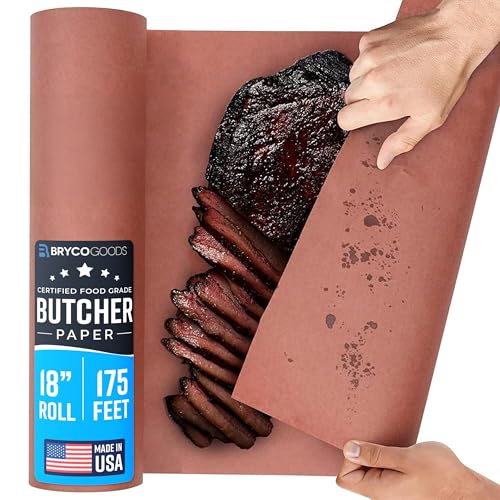
Butchers Paper is ultra durable and strong; does a superior job trapping smoke while releasing steam

【PREMIUM NATURAL QUALITY】Made from premium virgin pulp, our butcher paper is unwaxed, uncoated, and unbleached for a natural and pure product. Ideal for grill masters seeking top-notch, food-safe paper to enhance their culinary creations.

Enhance your smoking meat adventure with our 24-inch wide roll of butcher paper specially crafted to entrap the flavorful smoke, while simultaneously ensuring the release of steam for a superior taste experience
Know When It’s Done: Target 190‑203°F Internal While Managing the Stall
After you’ve sealed the bark with butcher paper and cranked the smoker up to 275 °F, the next critical step is watching the internal temperature climb past the stall and into the 190‑203 °F window that signals doneness. Monitor internal temperature with a probe placed in the thickest part of the flat, avoiding the point. Expect a stall around 165 °F; keep the smoker steady until moisture evaporates and the rise resumes. When the reading hits 185‑190 °F, start to probe for tenderness—insert a thermometer or fork and feel for a buttery glide with minimal resistance. Maintain the 190‑203 °F zone for at least 30 minutes to fully render collagen. This temperature balances efficiency with the rendered fat and texture that low-and-slow smoking produces. Consistently verifying both temperature and tactile feedback guarantees a perfectly cooked, slice‑ready brisket. Trim excess fat from the point before cooking to improve heat penetration.
Rest, Slice, and Get the Perfect Fat‑Side Finish
When the brisket comes off the smoker, wrap it tightly in foil and let it rest for about 30 minutes so the juices can redistribute and the internal temperature stays stable. During rest, keep the meat side up to preserve the rendered fat layer and prevent sticking. After the rest, place the brisket on a board fat‑side up, locate the grain, and apply proper slicing techniques: cut against the grain into pencil‑width pieces using a sharp knife, separating point and flat at the fat seam if needed. For ideal fat cap finishing, trim the cap to a quarter‑inch before cooking, then finish the final smoke with the fat side up at 275 °F. This yields a melt‑in‑your‑mouth bark and a luxurious texture. The fat cap is usually around 1‑inch thick, but trimming it to a quarter‑inch helps avoid a mushy mouthfeel. Using a remote temperature probe throughout the smoking process allows you to monitor doneness without frequently opening the smoker and disrupting the cooking environment.