At 225 °F a beef tenderloin cooks about 15‑20 minutes per pound, so a 1‑lb piece hits a rare 120 °F in roughly 15‑20 minutes and a medium‑rare 130 °F in about 20‑25 minutes. Pull the meat 5‑10 °F below your target, then give it a quick 45‑second sear each side at 450‑550 °F. Tie the roast every two inches and use a water pan for even heat. Follow the next steps for precise timing, smoke control, and perfect doneness.
Why 225°F Is the Sweet Spot for Tenderloin
One key reason 225 °F works so well is that it delivers uniform, edge‑to‑edge doneness without overcooking the thin ends. You set a Steady smoking temperature that climbs gently, keeping the thick end warm while preventing the thin end from hitting freezing zones. This temperature sits in the Ideal smoke range, between 180 °F and 225 °F, where pellet grills generate maximum flavor without choking the meat. The low heat minimizes temperature gradients, so the whole tenderloin stays pink and juicy. It also avoids high‑heat fiber contraction, preserving tenderness. After smoking, you pull at 115‑125 °F internal, then reverse‑sear for a perfect crust, achieving quick-read meat thermometer accuracy for sous‑vide‑like results with less effort. Filet mignon is the thinner end of the tenderloin, often prized for its extra tenderness.
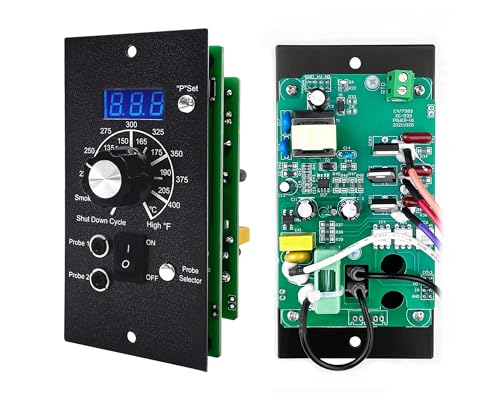
COMPATIBILITY: The grill digital thermostat is replacement for Traeger OEM part BAC365, BAC288, BAC236, fits 20, 22, & 34 Models, including Pro 20/22 34, Texas Elite 34, Lil Tex 22, JUNIOR ELITE 20, Ridgeland, Heartland, Mesa 22, Century 22/34, Silverton (2019), Select Pro, Eastwood 22/24(Not for PTG, Scout, Tailgater, or Bronson)

REAL HARDWOOD FLAVOR: Pellet smoker grill to help create a richer, smokier flavor, fueled with 100% all-natural hardwood pellets.

KingChii Wood Pellet Grill & Smoker, 456 SQ.IN. Cooking Area with Automatic Temperature Control, Foldable Legs for Outdoor BBQ, Patio, Camping
The First 60 Minutes Must Stay Fixed
Because the tenderloin’s temperature must rise uniformly, keep the first 60 minutes at a fixed 225 °F. Preheat the smoker to 225‑250 °F, then set the “smoke” mode for the first 45 minutes. Insert a probe in the center and monitor the gradual climb toward 110‑115 °F, avoiding lid openings that would cause heat loss. Tie the meat every two inches and place it on a rack with a water pan to guarantee consistent temperature control and even smoke penetration. Use oak, hickory, or pecan pellets for a steady low‑smoke profile. By the end of the hour, the tenderloin should sit at the target temperature, ready for the next cooking phase. After smoking, allow the meat to rest for at least one hour to redistribute the juices properly. The reverse sear method locks in juices after smoking.
How Long a 1‑Pound Tenderloin Takes to Smoke at 225°F?
Keeping the first hour at a steady 225 °F sets the stage for the next step: timing a 1‑pound tenderloin. Preheat your smoker to 225 °F, load wood chunks, and place the tied tenderloin directly on the grates. Insert the probe into the thickest part; expect 15‑20 minutes per pound to hit a 120°F internal for rare. Aim for 110‑115°F if you plan a reverse sear, which typically occurs in under an hour. Adjust for tender thickness variations by tying every two inches, ensuring even heat penetration. Apply seasoning preparation techniques—dry rub, salt, and pepper—before smoking to lock flavor. Monitoring with a thermometer throughout the cooking process helps you track the tenderloin’s temperature and ensures you pull it at the perfect doneness level. Monitor temperature closely, and once the target is reached, remove for rest or sear as desired. The dry brine enhances both flavor and tenderness.


Adjusting Smoke Time for Weight & Desired Doneness
How long you’ll smoke a tenderloin depends on both its weight and the doneness you aim for. Use the 15‑minutes‑per‑pound rule at 225°F, then adjust for thickness. A 2‑lb cut at 1‑inch thickness will finish in about 30 minutes, while a 5‑lb roast that’s 2‑inches thick may need 60 minutes or a bit longer. Check the thickest part; pull at 120°F for rare, 125°F for medium‑rare, and 130‑135°F for medium, allowing 5°F carry‑over. Remember the influence of tenderloin thickness: thicker sections retain heat slower, so add 5‑10 minutes per extra half‑inch. Plan the reverse searing technique at temperatures between 500‑550°F after pulling 5‑15°F below target to finish without overcooking, which develops a flavorful crust while maintaining a perfectly tender interior. Low‑and‑slow cooking ensures even doneness without drying out this lean cut.

PERFECT DONENESS, EVERY TIME: This smart cooking thermometer takes away guesswork with real-time internal temperature updates, flip reminders, rest timers, estimated cooking times, Guided Cooking recipes, and more!

【Fast & Accurate】Our meat thermometer digital delivers accurate readings within ±1°F in just 1–2 seconds, with a wide temperature range of -58°F to 572°F (-50°C to 300°C). No more waiting over the heat - know your food's exact temperature instantly.

500FT Long Range: Compared with those Bluetooth meat thermometer on the market, this meat thermometer digital wireless equips itself with radio frequency technology that will ensure you stronger signal and more stable connection from up to 500FT
When to Pull and How Hot to Reverse‑Sear Your Tenderloin?
You’ll pull the tenderloin when its internal temperature is 5‑10 °F below your target doneness—115 °F for rare, 120‑125 °F for medium‑rare, or 135 °F for medium—then let it rest 10‑15 minutes while the oven preheats to 450‑550 °F for the reverse‑sear. Use a digital probe in the thickest spot; set the alert 5‑10 °F lower to account for carry over cooking. During the rest, keep the meat loosely tented and monitor food safety considerations, ensuring it stays above 130 °F to prevent bacterial growth. When the oven reaches 450‑550 °F, sear each side for 45 seconds, flipping once, until the internal temperature rises to the final target. Rest again briefly before slicing. The low‑heat oven creates a uniform pink edge‑to‑edge crust before searing. For even cooking throughout the meat, consider using butcher’s twine to maintain a consistent roast shape before smoking.
Cheat Sheet: Weight, Temp, and Total Cook Time
Start with the weight, set the smoking temperature, and calculate the total cook time in one go. You’ll weigh the tenderloin, choose 225 °F, then apply the rule of thumb: about 45–50 minutes per pound. For a 4‑lb roast, that’s roughly 3 hours; for a 2‑lb piece, about 1 hour 40 minutes. Insert a leave‑in thermometer into the thickest spot, monitor until the internal reading hits 5 °F below your target, then pull. Rest for 10–15 minutes, allowing the resting tenderloin temperature to rise 5–10 °F and juices to redistribute, similar to how resting meat after cooking helps optimize tenderness and flavor. While smoking, basting tenderloin smoker every 15 minutes with a light oil‑herb mix keeps surface moisture and enhances flavor without disrupting heat. This sheet guarantees consistent doneness and a perfect reverse‑sear finish. Tie the tenderloin with butchers twine at 1‑inch intervals before seasoning.
Common Timing Mistakes and How to Fix Them
A common pitfall is letting the clock dictate doneness; instead, focus on the meat’s internal temperature. You’ll overcook if you ignore the tail end’s faster heat loss, so tie the tenderloin every two inches to create a uniform cylinder. Rotate the roast 180° halfway through to counteract hot‑spot variance and keep the smoker’s ambient temperature steady at 225 °F. Probe both ends; a 10 °F differential signals uneven heat, prompting a reposition or a brief increase in airflow. Apply proper knife skills when trimming to expose a consistent surface for searing. Finish with a high‑heat sear when the core hits 110‑115 °F, then rest for at least 30 minutes to retain juices. This guarantees accurate meat temperature and avoids the dry, overcooked sections that plague sloppy timing. The tenderloin is a boneless cut that runs along the animal’s backbone, providing a uniformly tender texture ideal for smoking. Unlike larger cuts, the tenderloin’s faster cooking means monitoring internal temperature is even more critical than relying on timing estimates.