Keep the grill warm (no more than hand‑warm) and wipe the stainless‑steel grates right after cooking with a bristle‑free brush dipped in hot water to steam‑loosen debris. If you miss that window, preheat to 500 °F for 10‑15 minutes, then scrub with a non‑abrasive sponge and mild soap, rinse, and dry thoroughly. Apply a thin coat of high‑temperature oil to season, and use a weekly oil‑based polish for lasting shine. Continue for deeper tips on rust removal and discoloration.
Warm‑Up Grill and Wipe Grates Immediately After Cooking
When the grill finishes cooking, let it stay warm—no more than a comfortable hand‑warm—then grab a bristle‑free brush and wipe the grates right away. You’re using the proper technique: the residual heat softens grease, so a quick pass removes food before it hardens. Dip the brush in water to generate steam; the steam lifts debris without scrubbing. If you missed the immediate wipe, apply careful preheating by turning the grill to 500 °F+ for 10‑15 minutes. The high temperature loosens baked‑on residue, allowing a hot brush sweep to clear it efficiently. This approach prevents buildup, preserves the chromium oxide layer, and keeps the stainless steel surface looking like new. For additional protection, consider applying high-temperature cooking oils after cleaning to season the grates. The protective layer self‑repairs when lightly scratched, extending the grill’s lifespan.
Choose the Right Tools for Stainless‑Steel Grill Cleaning
What tools should you reach for when cleaning a stainless‑steel grill? Select only non‑abrasive, soft‑pad options—such as a sponge with dish soap, a bristle‑free Q‑Swiper wipe, or a dedicated stainless‑steel grill brush—to avoid micro‑scratches. Pair these with a microfiber towel for drying and a polishing cloth for a streak‑free finish. For stubborn residue, use a 3M stainless steel cleaner or Bar Keepers Friend, applying them with a soft brush, not a wire brush. Avoid alternative abrasive options like steel wool, brass bristles, or heavy‑duty wire brushes; they create micro‑abrasions. To maintain your grill’s finish and prevent rust, apply natural cleaning solutions periodically as part of your regular maintenance routine. Store sponges, wipes, and brushes in a dry, ventilated container to prevent rust, and keep polishing tools separated from metal utensils to maintain their integrity. The kit also includes a cleaning kit that provides all necessary brushes, polishing cloths, and spray cleaner for comprehensive grill maintenance.

【The Safest Bristle Free Grill Cleaner】:No wire bristles at all, no melting like nylon grill brushes; With this safe grill brush and scraper, your food will stay 100% Bristle Free. No more worry about swallowing some metal pieces, Let's free to gobble up some favorite barbecue! Save your effort and time, let’s just have fun! (PATENTED design)

HIGH QUALITY STAINLESS STEEL BRISTLES - Easily Removes Food, Grease, and Debris from all type of Grill Grates without Scratching or Damaging the Surface.

Extra Strong Ergonomic Handle - Still believe that as long as the bristles are stiff enough, the grill cleaning brush can live up to the name - a good barbecue brush? Of course not! A soft and sturdy handle with a stainless steel ring for hanging can make the clean work easier. No possibility such as the handle breaking up or snapped. You can succeed in using this BBQ cleaner for a very long time!
Step‑By‑Step: Clean Grates With Mild Soap and Warm Water
If you soak the stainless‑steel grates in a warm‑water and mild‑dish‑soap solution, the grease and baked‑on debris will loosen dramatically, making the subsequent scrub quick and effective. Fill a large plastic bin with hot tap water, add a few drops of Dawn or Simple Green, and submerge the grates for several hours or overnight. After soaking, use a non‑abrasive sponge or stainless‑steel brush, scrubbing horizontally against the grain, then vertically along the wires to clear raised rails and valleys. Rinsing thoroughly with a low‑pressure hose ensures no soap residue remains, a practice that complements deep cleaning once or twice per grilling season for optimal maintenance. Dry the grates completely to prevent water spots, then inspect for leftover deposits. This routine supports seasonal maintenance and prepares the grill for extended storage. Avoid high heat burn‑offs, as they can bake on debris and potentially warp the grates at temperatures over 850°F.
Apply Weekly Oil‑Based Stainless‑Steel Polish for Lasting Shine
Applying an oil‑based stainless‑steel polish each week creates a durable protective layer that preserves the chromium‑oxide coating, repels water, and shields the grill from UV‑induced fading. For the oil based polish application, wipe the grill surface with a soft microfiber cloth, following the grain to avoid scratches. Dispense a pea‑size amount, spread evenly, then buff until a mirror‑like sheen appears. This one‑step process removes fingerprints, grease, and water marks while reinforcing rust resistance. Record the activity in your maintenance schedule updates; note the date, product used, and any visual changes. Consistent weekly treatment prevents corrosion, sustains heat‑distribution safety, and extends the grill’s lifespan with minimal effort. Before applying polish, use removing light carbonization with a natural cleaning method to ensure the surface is properly prepared. The grill’s high temperature resistance ensures the polish remains effective even after intense cooking sessions.

Polishes as it cleans to beautify and protect stainless steel, chrome, and aluminum appliances and metal surfaces


CLEANS BBQ GRILLS & GRATES | Removes accumulated grease & residue to preventing food from sticking & improve food flavour. Leaves your BBQ clean for the next time you go to use it, while building a natural seasoning on the grill.
Tackle Stubborn Buildup With Baking‑Soda Paste or Vinegar Spray
A thick baking‑soda paste or a vinegar‑water spray tackles stubborn buildup quickly and safely on stainless‑steel grills. Mix 1 ½ cups baking soda with ½ cup water for a thick paste, or combine ¼ cup white vinegar, ¼ cup dish soap, and 1 ½ cups baking soda for a frothy blend. Remove the grates, place them flat, and use brush or sponge to spread the mixture, following grain direction. Let the paste sit 10‑20 minutes, then scrub with a nylon‑bristled brush. For deep cleaning, seal the coated grates in a garbage bag and allow an overnight soak duration of 8‑12 hours. Alternatively, spray a 2‑part vinegar‑water solution over a light baking‑soda sprinkle, wait 5‑15 minutes, then rinse thoroughly. This systematic approach eliminates grease, grime, and char without damaging the stainless surface. After cleaning, apply a protective layer of oil to prevent future rust formation. Baking soda can be used to clean grimy stainless steel, cast iron, or enamel grill grates.

Mrs. Meyer's Baking Soda Cream Cleaner removes soap scum and grease build-up to make your kitchen sparkle
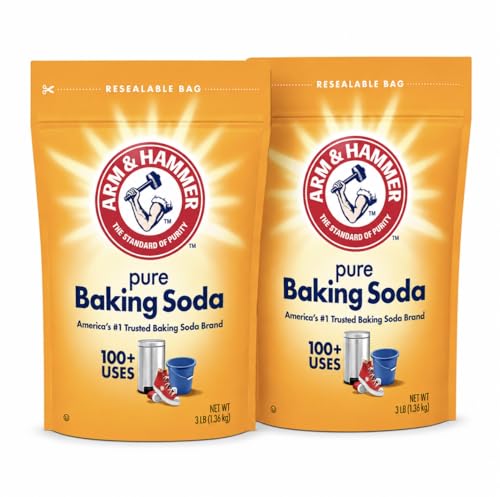
Pure Baking Soda: This 3-pound bag contains 100% pure sodium bicarbonate, providing a versatile household essential that serves multiple purposes from your kitchen to your cleaning routine without any additives or fillers

Citrusafe BBQ Grill Grate Cleaner, 23 FL OZ
Use the Foil‑Ball Trick for Baked‑On Debris in a Flash
Typically, you’ll preheat the grill on high, then crumple a sheet of aluminum foil into a tight ball and secure it with tongs. The crumpled foil abrasives act as an instant brush while the grates stay hot. Hold the foil ball firmly with tongs and scrub in tight motions, applying firm pressure across the surface and into crevices. The heat softens baked‑on debris, allowing the abrasive texture to lift it without extra tools. For extra efficiency, lay a full sheet of heavy‑duty foil on the grates, heat for 10‑15 minutes, then reuse the crumpled foil as a brush after cooling. Regular maintenance with this method helps avoid buildup of food residue that can compromise your grill’s performance over time. Follow these cleaning tips for foil ball safety: wear heat‑resistant gloves, keep tongs secure, and avoid over‑tightening to preserve abrasive effectiveness. Using an onion half can also help loosen grime before the foil‑ball scrub.
Early Rust Removal: Soft‑Cloth Method and Specialty Rust Remover
When early rust appears on your stainless‑steel grill, you can eliminate it quickly with a soft‑cloth method or a specialty rust remover. Spray WD‑40 or Sheila Shine on the affected area, then wipe with a dry cloth until the rust disappears; for heavier spots, use a Scotch‑Brite scrubber, never steel wool. For a chemical approach, apply Instant Rust Out, let it sit 30 seconds, wipe clean, and repeat if needed. Rinse the white residue, then protect the surface with WD‑40 or Sheila Shine to support preventative maintenance. Both methods are affordable rust removal options, require only a few minutes, and keep your grill ready for the next cookout. Regularly applying a surface protectant helps prevent rust buildup. Removing rust promptly also helps maintain your grill’s structural integrity and prevents corrosion over time that can weaken the metal and lead to costly repairs.
Restore Heat‑Discoloration (Rainbow Streaks) With Stainless‑Steel Products
A few minutes of focused cleaning can erase the rainbow‑hued heat tint that mars a stainless‑steel grill’s finish. First, create a paste from powdered stainless‑steel cleaner and a few drops of water. Apply the paste to the discolored sections, let it sit 30 seconds, then scrub gently with a non‑abrasive sponge, following the grain. Rinse thoroughly and wipe dry with a microfiber cloth. For stubborn streaks, spray diluted white vinegar, let it penetrate for 1 minute, and repeat the gentle scrub. Finish with an oil‑based stainless‑steel polish, spreading it evenly with a soft cloth to restore luster. Incorporate these restoration methods into weekly preventative maintenance to keep the grill’s surface bright and resistant to future heat discoloration. The chromium oxidation creates the rainbow hue when the grill is heated. Regular cleaning and oiling helps prevent future rust and maintains the grill’s appearance, especially when using non-abrasive materials that won’t damage the finish.
Protect the Grill After Cleaning: Oil Barrier and Proper Storage
A thin oil barrier applied right after cleaning preserves the chromium‑oxide layer and prevents rust until the next use. Spray an oil‑based protectant such as WD‑40 or Sheila Shine onto a paper towel, then rub along the grain with a clean terry cloth until the surface shines but feels non‑oily. Follow with high temperature seasoning: coat the grates with peanut or canola oil, heat to smoking point, and wipe off excess. This creates a durable rust‑resistant film for several uses. For seasonal storage preparation, cover the grill with a weather‑proof cover, store in a dry location, and verify no rust spots remain. Regularly inspect and re‑apply oil barrier before long‑term storage to maintain protection. The chromium oxide layer continuously regenerates, ensuring ongoing corrosion resistance.
Maintain a Simple Cleaning Schedule to Prevent Flavor Carry‑Over
Ever wonder how a disciplined cleaning rhythm keeps your grill’s flavor pure? Follow a weekly exterior wipe‑down with an oil‑based stainless steel cleaner, moving with the grain to protect the chromium oxide layer. Brush warm grates after each use; preheat for five minutes, then scrape to prevent grease and carbon buildup that can transfer flavor. Schedule a deep clean clean monthly: soak grates in warm, soapy water, scrub, rinse, and dry completely. Align burner and tray care with your usage pattern; soak burners every few months and clean drip trays monthly. Adopt season maintenance that matches your cooking frequency—casual grillers scrape after each session and deep clean at season start/end, while enthusiasts brush every use and follow a deep clean schedule every two months. After reassembling your grill, consider firing it up briefly to burn off any residual cleaning agents and ensure correct assembly. This systematic approach eliminates residue, safeguards taste integrity, and extends grill life. Avoid abrasive tools like steel wool to prevent scratching.