Pick a high‑smoke‑point oil—avocado, peanut, refined canola, extra‑light olive, or sunflower—then brush off debris and scrub the grates with hot, soapy water or a vinegar‑water spray. Dry them completely, roll a cotton cloth into a tight bundle, soak it in the oil, squeeze out excess, and wipe each grate with a thin, even layer while they’re still cool. Heat the grill to at least 400°F for 30‑45 minutes to set the oil, then let it cool. Follow these steps and you’ll keep your grates non‑stick and rust‑free, and the next sections reveal deeper tricks for long‑term care.
Choose the Right Oil for Your Grill Grates
Precision matters when you season grill grates, and picking the right oil is the first step. You’ll want types of oils suited for grilling that hold up at high heat and spread evenly, ensuring oil distribution on grates. Avocado oil tops the list with a smoke point over 500 °F, buttery flavor, and antioxidant boost—perfect for searing. Peanut oil follows at 450 °F, neutral taste and stable under intense heat, making it a pantry workhorse. Refined canola offers a 400‑470 °F range, cheap and flavor‑less, ideal for broad use. Extra‑light olive oil exceeds 460 °F if you crave Mediterranean notes without burning. Sunflower oil, also at 450 °F, adds a subtle nutty edge while staying stable. Choose the oil that matches your grill’s temperature and flavor goals, then coat the grates evenly before heating. Repeating the oil application and heating process several times will build a durable coating that prevents food sticking and rusting. High‑smoke‑point oils are essential for high‑heat grilling.

Graza Frizzle Oil Made from 100% Olives: A neutral-flavored, high heat cooking oil made from 100% peak harvest olives. With a smoke point of up to 450 degrees, Frizzle is your high-heat kitchen hero. 1 bottle/750ml.

America's #1 Avocado Oil for Cooking — Every batch of Chosen Foods avocado oil is independently tested to confirm 100% pure avocado oil with no fillers or seed oil blends. Our purity standard was verified by UC Davis as one of only two avocado oil brands to pass their rigorous quality test. This bottle delivers the clean, neutral taste and consistent high-heat performance that has made Chosen Foods the avocado oil of choice for home cooks, professional chefs, and clean-eating households across the United States.

Light Buttery Flavor That Elevates Every Meal: Algae Cooking Club Chef-Grade Algae Oil enhances every dish with subtle richness. Its neutral profile makes it ideal for searing, baking, and dressings, transforming everyday meals into gourmet experiences.
Clean Grill Grates Before Oiling
Even before you drizzle oil, you must clear the grates of any leftover food, ash, or grease. Start with a simple brush or crumbled tin foil to sweep loose debris, then remove ash from the grill’s bottom. For stubborn buildup, employ detailed scrubbing techniques: mix equal parts water and white vinegar in a spray bottle, coat the grates, let sit a few minutes, then scrub with a stainless‑bristle brush. Alternatively, create a baking‑soda paste, add a dash of dish soap or vinegar, apply, wait 15‑20 minutes, and scrub again. If residue persists, soak the grates in hot, soapy water for 15‑20 minutes before a final brush. Rinse thoroughly, verify no chemicals remain, and let the grates cool completely before oiling. Regular maintenance helps avoid buildup of food residue, grease, and rust that can compromise your grill’s performance. A clean cooking surface is essential for food safety.
Apply Oil Safely on Cool Grates
Since the grates must be completely cool before you oil them, turn off the grill and wait until all residual heat has vanished. Grab a 100% cotton cloth, roll it into a tight bundle, and soak it in a high‑smoke‑point oil such as canola, safflower, or peanut. Squeeze out excess so the cloth is damp, not dripping. With a steady motion, wipe the cloth across each grate, keeping the layer thin to control oil application and prevent oil pooling. Avoid sprays or brushes that scatter oil and can ignite. The cotton method distributes oil evenly, creates a protective barrier, and eliminates flare‑ups, ensuring the grates stay rust‑free and ready for the next cook. Regular oiling maintains the chromium oxide layer that protects against corrosion. Brush method can cause oil to drip off the brush into the grate, leading to flare‑ups.
Season Your Grates in 5 Easy Steps
How do you give your grill grates a lasting, non‑stick shield? Start by cleaning the grates thoroughly: brush off debris, scrub with warm soapy water, apply a degreaser, rinse, and dry. For cast iron and porcelain-coated grates, ensure proper drying to prevent rust and sticking. Preheat the grill to medium heat, then remove the grate for a final wipe. Choose a high‑temperature oil—canola works best—and spread a thin, even layer with a bristle brush, aiming for getting thorough oil coverage. Heat the grill to at least 400°F, close the lid, and bake the oil for 30‑45 minutes until the metal darkens and the oil bonds. Cool completely, then repeat the coating and bake for extra protection. Finally, lightly oil after each use to keep maintaining consistent seasoning and prevent rust. Removes manufacturing residues to ensure a clean surface before seasoning.

Jb Weld Extreme Heat: Is Formulated For Repairs To Iron, Steel And Metal In High Temperature Environments 1000°F / 537°C. Non-Flammable, It Contains No Solvents Or Volatile Organic Compounds (Vocs).

COOKING SPRAY WITH NO PROPELLANTS: A clean, non-toxic, easy-to-use oil spray designed to help you cook with confidence; Pompeian cooking sprays use air pressure only with no propellants, no additives, no toxins - just Avocado Olive Oil in every spray

(2) 5 Ounce Bottles of PAM High Temperature Grilling Spray
Time Your Oil Application Around Grilling
A few minutes before you fire up the grill, coat the cool grates with a thin, even layer of high‑smoke‑point oil. Use a rag or brush to spread avocado, olive, or peanut oil, wiping away any excess with a paper towel to prevent pooling. Light the grill, let it heat 15‑30 minutes until it smokes lightly, then turn the burners to cooking temperature. While the grill warms, dry your meat, then apply a light coat of oil—this is essential for preparing meat surfaces and helps you achieve ideal searing. For best results, maintain your grates through routine light cleaning after each use to remove residual debris. Place the oiled protein on the hot, un‑oiled grates; the pre‑heated oil creates a non‑stick barrier, reduces flare‑ups, and yields crisp grill marks without burning. Proper oiling ensures a clean, easy release of food from the grates.
Prevent Rust on Grill Grates and Extend Their Life
After you’ve oil‑coated the grates and pre‑heated them for a perfect sear, the next step is to keep those grates rust‑free and lasting. First, always dry the grates completely after cleaning; use low heat or a paper towel to eliminate moisture that fuels corrosion. Apply a thin, even coat of high‑smoke‑point oil while the metal is still warm; this seals the surface and blocks oxygen. Store the grill under a shelter and cover it with a waterproof, all‑weather cover that matches its dimensions—proper storage techniques prevent rain and humidity from settling on the metal. For severe buildup or stubborn rust, oven cleaner can effectively remove grime that standard cleaning methods cannot address. Inspect the grates weekly for chips or early rust, and touch up any spots immediately. By following these steps and maintaining year round, you’ll extend the life of your grill grates dramatically. Cast iron readily absorbs moisture and oxygen, accelerating rust formation if not properly protected.

Light Buttery Flavor That Elevates Every Meal: Algae Cooking Club Chef-Grade Algae Oil enhances every dish with subtle richness. Its neutral profile makes it ideal for searing, baking, and dressings, transforming everyday meals into gourmet experiences.
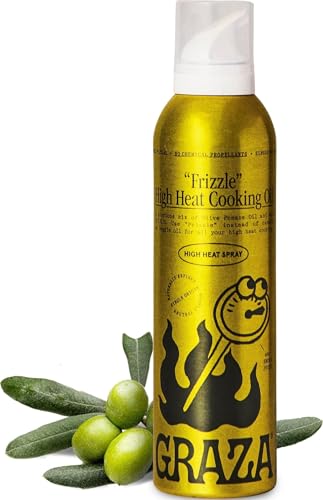
Graza Frizzle Oil Spray Made from 100% Olives: A neutral-flavored, high heat cooking oil made from 100% peak harvest olives. With a smoke point of up to 450 degrees, Frizzle is your high-heat kitchen hero. 1 can/5 oz.

100% PURE QUALITY OIL: Our canola cooking oil is made from 100% pure canola. This healthy cooking oil delivers a clean, consistent performance with every use. The oil for cooking is refined processing ensures a light texture and smooth consistency, making it a reliable option for everyday cooking without overpowering your dishes or altering natural food flavors.
Avoid Common Oiling Mistakes
Don’t over‑oil the grates, because excess oil drips onto the burners, sparks flare‑ups, and leaves a greasy mess inside the grill. Aim for the ideal oil density: a thin, barely perceptible layer that coats without pooling. Brush or use a silicone‑basted brush, applying oil at a 45° angle away from the flame. This creates a consistent coating distribution and prevents volatile spray droplets from igniting. Skip repetitive swabs; a single light pass suffices once the grates are pre‑heated. Choose high‑smoke‑point oils—refined olive, corn, or even mayonnaise for fish—to stay below 400°F and avoid carbonization. To extend the life of your grill, incorporate regular maintenance into your cleaning routine. By controlling amount, method, and oil type, you maintain seasoned grates while eliminating flare‑ups and sticky residues. Oil on the food is recommended instead of oiling the grill because it lets the entire dish benefit from the fat.
Troubleshoot Grill Grates: Sticking, Smoke, and Flare‑Ups
Over‑oil the grates, and you’ll see sticking, smoke, and flare‑ups appear together. First, verify you preheat the grill for ten to fifteen minutes until the grates glow, not smoke. If they’re smoking, the oil is past its smoke point, carbonizing and creating a sticky bond. Apply oil using the paper‑towel method or a tongs‑held dab, but stop before the grates reach 400°F—this is the ideal oil application timing. Use high smoke‑point oils like canola or avocado, and keep the coating thin to avoid drips that ignite. Clean the grates thoroughly after each use; remove carbon and burnt residue before re‑seasoning. For cast iron grates, the seasoning process is especially critical due to their porous nature. Follow proper grate seasoning techniques, and you’ll eliminate sticking, reduce smoke, and prevent flare‑ups. Proteins in the meat become sticky when they are exposed to high heat without sufficient oil protection.