Scrape the hot grates right after cooking with a stainless‑steel brush or foil ball, then spray a 4‑to‑1 water‑to‑apple‑cider‑vinegar mix, wipe away loosened grease, and lightly oil the surface to protect the seasoning. For deeper grime, soak the grates in hot, with plant‑based soap for 15‑30 minutes, scrub with a soft nylon or stainless‑steel brush, and rinse clean. If rust appears, soak in distilled vinegar for 24 hours, apply a salt‑vinegar paste, scrub, dry, and re‑season with oil. Follow these steps and you’ll keep your grill performing perfectly.
Scrape Cast‑Iron Grill Grates Right After Every Cookout
When you finish cooking, keep the grill hot—around 500‑550 °F—and scrape the cast‑iron grates right away. Preheat grates before you brush; a stainless‑steel bristle brush or a crumpled aluminum‑foil ball slides along the rods, lifting char and food without gouging the surface. Work in the direction of the rods, scraping while the metal is still hot so residue stays loose. This immediate action prevents rust and avoids lift damaged seasoning that can form when grime hardens. After scraping, give the grates a quick wipe to remove loose particles, then oil lightly to protect the seasoning. For items like bacon-wrapped foods that may leave excess grease, using indirect heat and a drip pan during cooking can minimize buildup on your grates and make post-cookout cleaning easier. Regular post‑cookout scraping keeps the grill non‑stick and extends its lifespan. Quick clean after each use helps maintain the grill’s performance.
Spray a 4‑to‑1 Water‑to‑Apple‑Cider‑Vinegar Mix and Wipe Clean
If you spray a 4‑to‑1 water‑to‑apple‑cider‑vinegar mixture onto the still‑warm grates after brushing, the mild acidity instantly loosens stubborn grease and burnt‑on protein, allowing you to wipe the surface clean with a paper towel in seconds. The spray mix versatility lets you apply it directly after a quick brush, avoiding any abrasive scrubbing. Prepare the solution fresh each time: one part apple cider vinegar to four parts water, or optionally add sugar for extra fat‑cutting power. Dilution importance is critical—over‑acidifying can damage uncoated iron, while the 4‑to‑1 ratio balances cleaning strength and metal safety. After spraying, wipe until no residue remains, then dry the grates thoroughly and oil lightly to seal the seasoning. Allow the grate to cool enough to be safely handled before applying the mixture. For stubborn buildup that resists the spray method, consider routine light cleaning after each use to prevent accumulation and maintain optimal grate performance.
Deep‑Clean With a Hot‑Water Soak and Dish Soap
Even after a quick brush, stubborn grease can cling to cast‑iron grates, so a hot‑water soak with a few drops of mild dish soap is the most efficient way to loosen residue before scrubbing. Fill a bucket with hot water, add plant‑based soap, and submerge the grates fully. Soak 15‑20 minutes for light buildup; if the grease is heavy, prolong soak duration to 30 minutes, but never exceed that to protect seasoning. Occasionally agitate the water to aid loosening. After soaking, remove the grates and optimize brush selection: a soft nylon brush works for most areas, while a stainless‑steel or brass bristle scrubber tackles stubborn spots. Apply gentle pressure, scrub in the grain direction, then rinse thoroughly and dry before re‑oiling. To further protect your cast iron, consider applying specialized stainless steel cleaners designed for deep cleaning and polishing to maintain appearance and durability. Regular maintenance prevents rust and extends the grill’s lifespan.
Baking‑Soda Paste for Stubborn Grease (Not Rust)
A generous layer of baking‑soda paste tackles the toughest grease on cast‑iron grates without harming the seasoning. Mix equal parts baking soda and water, add a splash of dish soap, and stir until smooth. If you need extra power, blend in a dash of vinegar. Spread the paste over cool grates with a brush, ensuring full coverage, then let it sit 15‑20 minutes. After the dwell, scrub with a brass‑bristle brush or stainless scrubber, focusing on heavy buildup removal. Rinse thoroughly, dry immediately with a towel, and finish by heat‑drying the grill for a few minutes. Incorporate this step into your routine maintenance schedule to keep grates pristine and ready for the next cookout. Burn off lots of gunk by cranking the heat up full blast before cleaning.

Mrs. Meyer's Baking Soda Cream Cleaner removes soap scum and grease build-up to make your kitchen sparkle

A HOUSEHOLD CLASSIC: This 2.7 lb resealable bag of ARM & HAMMER Baking Soda unlocks 100+ uses across your home—from kitchens and laundry rooms to crafting tables and beyond

POWERFUL MULTI PURPOSE CLEANER: Tackle grease, grime, stains, and buildup with The Pink Stuff Cleaning Paste. Designed for high performance cleaning across kitchens, bathrooms, and household surfaces
Commercial Degreaser for Heavy Grease Build‑Up
Tackle heavy grease buildup on cast‑iron grates with a commercial degreaser, because these formulas cut through burned‑on residue faster than any DIY paste. Choose a heavy‑duty degreaser that matches your grill’s material and follow the product’s dwell time for ideal results. Zep Grill Degreaser penetrates and loosens grime; spray, wait 40 minutes, then wipe with minimal scrubbing. Goo Gone’s foam clings for targeted applications, acting in 2‑10 minutes on stainless steel interiors. Rock Doctor’s foam spray tackles cold grates in five minutes, extending to 20‑30 minutes for stubborn buildup. Carbona’s 2‑in‑1 solution lets you soak grates in a sealed bag overnight for a near‑scrub‑free finish. For a complete system, the GrillGrate Commercial Cleaning Combo pairs an all‑natural spray with a commercial‑grade brush, delivering quick, deep cleaning in 5‑10 minutes. For those preferring to avoid commercial products, natural cleaners like aluminum foil and baking soda paste offer safer alternatives that protect grill surfaces. Regular brushing after each use prevents hot spots from forming.
Remove Rust With a Salt‑And‑Vinegar Paste
Typically, you’ll start by mixing distilled vinegar with kosher salt to create a thick, gritty paste that attacks rust spots on cast‑iron grates. Apply the paste directly after a 24‑hour vinegar soak; let it sit thirty minutes so the acidic solution loosens oxidation. Then scrub with a wire‑brush attachment, removing flaked rust until the bare metal shines. Wipe the surface with paper towels—no water rinse—to avoid fresh oxidation. Immediately coat the grate with a thin layer of cooking oil, wiping excess away, and bake at 350‑400 °F for 30‑40 minutes. Repeat the oil‑bake cycle two to three times, employing proper reseasoning techniques to safeguard the surface and prevent long‑term oxidation. For severe rust damage, consider replacing the grates entirely rather than attempting extensive restoration. Vinegar bath can take up to two weeks to fully dissolve deep rust.
Dry Thoroughly and Season With Oil or Bacon Grease
After washing the grates, dry them completely—first wipe with a towel, then let them air‑dry or heat briefly to evaporate any remaining moisture—because any dampness will spark rust. Pat each side with a lint‑free cloth, then place the grates on a low burner for a minute or two to guarantee no hidden droplets remain. Once they’re dry, coat both sides with a thin film of high smoke point oil—canola, grapeseed, or peanut work best. Use a paper towel or clean cloth to spread the oil evenly, covering every nook without pooling. Heat the grill to 400 °F for 45 minutes, allowing the oil to polymerize and form a durable, non‑stick layer. For extra flavor, you can substitute a light layer of bacon grease, applying it the same way while the grates are still warm. This quick seasoning seals the metal, prevents rust, and readies the grill for the next cook. Seasoning builds a protective patina that enhances heat retention and non‑stick performance. Unlike premium materials like 304 stainless steel, cast iron requires regular seasoning to maintain its corrosion resistance and performance over time.
Pick the Best Brush and Scraper for Your Cast‑Iron Grates
Because a cast‑iron grate endures high heat and stubborn residue, choosing the right brush or scraper is essential for preserving its seasoning and preventing rust. Opt for a brush that offers brush compatibility with high‑temp materials; the Grill Rescue Brush‘s heat‑retardant foam head fits between bars without metal bristles, protecting seasoning while delivering cleaning brush longevity. If you prefer metal, the GrillArt triple‑helix steel brush pairs with its rounded scraper for seamless coverage across tops and gaps, and its unscrewing handle aids storage. For delicate work, the bristle‑free GrillFloss reaches each bar individually, ensuring thorough cleaning without abrasion. The Char‑Broil nylon brush with metal scraper works only on cold grills, making it a safe, general‑purpose option for routine upkeep. Choose the tool that matches your grill’s temperature profile and maintenance rhythm. Regular cleaning also prevents flare‑ups and maintains even cooking temperatures. For stubborn grease buildup that brushes alone cannot remove, consider using a chemical degreaser designed specifically for cast iron to restore optimal cooking performance.
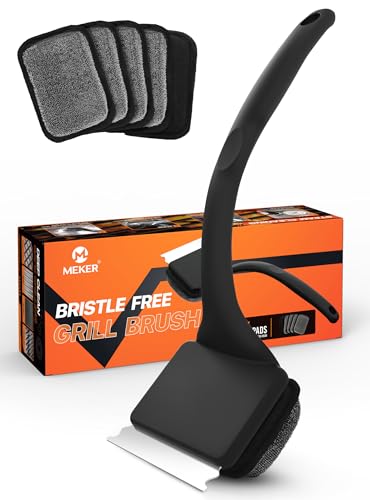
【ULTRA SAFE CLEANING】BBQ is a wonderful thing, but cleaning the grill can be a challenge! MEKER Grill Cleaner Brush can help you! Our grill cleaner brush ensures a bristle-free cleaning experience, eliminating the risk of swallowing dangerous metal bristles. Enjoy safe, worry-free grilling with our innovative design.

Scrubs without soap to preserve seasoning and protect surfaces

Easy Cleanup Tool: The Lodge Scrub Brush is designed to help tackle stubborn food residue and simplify cast iron cookware cleanup
Schedule Regular Maintenance to Keep Grates Rust‑Free
Choosing the right brush or scraper sets the stage for a maintenance routine that keeps your cast‑iron grates rust‑free. After each cook, while the grates are still warm, scrape off food debris and wipe them dry; this prevents residue from hardening and preserves the seasoning. Lightly oil the grates while warm to maintain cast iron patina and create a moisture‑repellent barrier. Store the grates in a dry, sheltered spot to protect against weather elements, and avoid exposing them to humidity. Inspect weekly for rust, chips, or cracks; brush away any surface rust immediately. Re‑season every few weeks or after deep cleaning, applying thin oil layers and heating to 350‑550°F. For tough buildup that resists regular brushing, periodic deep cleaning with specialized grill cleaning products can restore your grates to like-new condition. Consistent, scheduled care sustains a durable, non‑stick surface. Rust can be mitigated by promptly wiping down the grates after each use.