Pat the tilapia fillets dry, then rub both sides with olive oil and season with salt, pepper, and optional smoked paprika or lemon‑pepper. Heat a stainless‑steel nonstick skillet over medium‑high until the oil shimmers, then lay the fillets skin‑side down for 2‑3 minutes without moving them. Flip with a thin spatula and cook the flesh side another 2‑3 minutes until opaque and the internal temperature hits 145°F. Finish by tossing the fish in butter, garlic, lemon juice, thyme, and parsley, and let it rest under foil for a few minutes before serving; the next steps will show you how to perfect the heat, avoid sticking, and store leftovers safely.
Pan‑Grill Tilapia: Dry, Oil & Season the Right Way
A dry‑tipped tilapia fillet is the foundation of a perfect pan‑grill. You pat each fillet with paper towels until no moisture remains, then let it sit at room temperature for a few minutes. This step guarantees even cooking and a crisp surface. Next, rub olive oil generously on both sides; the oil creates a barrier that prevents sticking and carries the flavor. For seasoning optimization, sprinkle salt and pepper evenly, then add a pinch of smoked paprika or a lemon‑pepper blend if you like. Keep the pan at medium‑high heat, checking that the oil shimmers before placing the fish. Maintain temperature control by adjusting the burner so the fillet sizzles without burning, flipping once it releases naturally. The internal temperature should reach 145°F for optimal doneness. This precise routine yields a golden, flaky result every time. Kosher salt enhances flavor while keeping the flesh tender.

PURE OLIVE OIL: Bright golden olive oil with gentle olive notes crafted for all purpose culinary use

One 32 fl oz bottle of Bertolli Non-GMO Certified Cooking Olive Oil

LIGHT TASTE OLIVE OIL: Expertly crafted by The Olive Oil People, this light tasting, subtle olive oil is made from olives grown and nurtured by our family of farmers.
Pick the Best Pan for Pan‑Grilling Tilapia
After patting the fillets dry and seasoning them, the pan you choose will determine whether the crust stays crisp and the flesh stays tender. A stainless‑steel nonstick skillet offers ideal nonstick properties for delicate tilapia, letting you flip without tearing. Its heavy 18/20 gauge construction provides effective heat distribution, preventing hot spots that could steam the fish. Choose a large‑diameter model so one or two fillets fit without crowding, ensuring an even golden crust. A grill pan works if you prefer grill marks; it heats over medium‑high and still delivers that crisp skin. Like George Foreman grills with removable plates, quality cookware with even heat distribution ensures consistent cooking results. Avoid cast‑iron, which sticks and cooks unevenly, risking overcooked flesh. Opt for a pan that balances light weight with steady, uniform heat for stress‑free, restaurant‑quality results. For best results, use a skillet with a non‑stick surface to keep the fish from adhering.
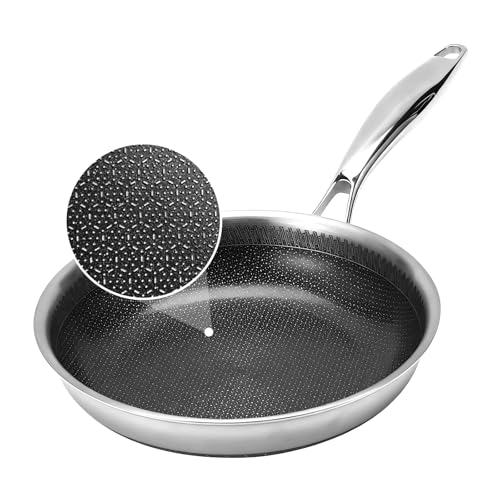
FLAWLESS, EVEN HEATING - FULL BODY TRI-PLY CLAD | Unlike pans with just a bonded bottom disk, our professional skillet features a responsive aluminum core fused between two layers of stainless steel that extends all the way up the sidewalls. This rim-to-rim construction eliminates hot spots for perfect searing and consistent browning every time.

【TRI-PLY STAINLESS STEEL】Tri-Ply Stainless Steel Pan Combines Ergonomic kitchenware Design and superior features for better cooking performance. Stainless steel surface doesn't react with food or alter flavors.

【SNOWFLAKE TECHNOLOGY】Our design is created through a laser etching process to provide both stainless steel and non stick surface. This dual surface allows to cook with less oil, grease, and butter.Our clad surface is 50% more than usual Hex surface non stick frying pans.
How to Pan‑Grill Tilapia: Timing, Flipping & Crispy Skin
When the pan reaches a shimmering, smoking heat, lay the seasoned tilapia skin‑side down and let it sear undisturbed for 2‑3 minutes; then test the release, flip with a thin spatula, and cook the flesh side another 2‑3 minutes until opaque. Pat the fillet dry before you apply marinade, letting it sit briefly to absorb flavor without excess moisture. Keep the oil hot enough to achieve char grilled flavor, but watch for smoke that signals over‑heat. Flip only when the skin lifts cleanly and shows a golden crust; a quick lift confirms it won’t stick. After flipping, check internal temperature with an instant‑read thermometer—remove at 145°F for perfect flakiness and a crisp, flavorful skin. If you have leftover cooked tilapia, store it in the refrigerator at or below 40°F and consume within three to four days for food safety. Tilapia’s mild flavor makes it ideal for quick, high‑heat cooking without overwhelming the palate.
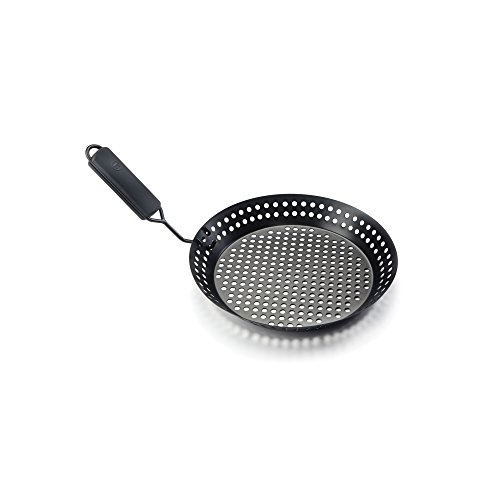
NON-STICK SURFACE ensures that this skillet is a dream to clean!

12" NON-STICK GRILL SKILLET WITH CLIP-ON HANDLE FOR INDOOR & OUTDOOR USE – This premium non-stick grilling skillet uniquely combines a cool-touch clip-on wooden handle with 2-inch high sides, delivering superior food control and flare-up prevention. The perfect non-stick grill pan for vegetables, seafood, and meats on gas grills, charcoal grills, and indoor cooking setups.

Naturally Non-Stick - Healthy and safe ceramic, non-toxic, free of PFAS, PTFE, PFOA, PFOS, lead, cadmium and other toxic materials that can leach into your food, safe for you, your family and the environment.
Control Heat While Pan‑Grilling Tilapia
If you keep the pan at a steady medium‑high temperature—about 450 °F—you’ll sear the tilapia quickly enough to form a crisp skin without drying the flesh. First, preheat the pan for ten minutes, then test heat readiness by sprinkling a few drops of water; they should sizzle and evaporate instantly. Lightly oil the surface, then place the dry fillet skin‑side down. While it cooks, monitor heat fluctuations by watching the edges turn opaque and the grill grates stay hot but not smoking. If the temperature spikes, dial the burner down a notch or adjust the damper to maintain the zone near 450 °F. A steady heat guarantees a golden crust and a moist interior. Using a meat thermometer ensures your tilapia reaches the proper internal temperature for food safety. Tilapia’s firm texture helps it stay together on the pan, preventing tearing when you flip it.
How to Tell When Pan‑Grilled Tilapia Is Done?
Maintaining that steady medium‑high heat lets the skin crisp while the flesh stays moist, and the moment the tilapia turns fully opaque and flakes easily is your cue that it’s done. Watch for visual texture changes: the fillet should shift from translucent pinkish‑white to a uniform pearly‑white opacity, especially at the thickest spot. Insert a fork and twist; the flesh should separate with minimal resistance, indicating proper flakiness. For internal temperature indications, slide an instant‑read thermometer into the center; 135‑140 °F (57‑60 °C) signals safety and juiciness. Press lightly with a metal skewer—warm, not hot—confirms doneness without overcooking. If the flesh feels firm yet springy when you press, you’ve achieved perfect pan‑grilled tilapia. Residual heat will continue cooking the fish for a couple of minutes after removal from the pan. To preserve the moisture and texture you’ve worked to achieve, consider low heat reheating methods if you need to warm leftover tilapia later.
Finish Pan‑Grilled Tilapia With Lemon, Garlic & Herbs
A splash of lemon, a knob of butter, and a handful of fresh herbs transform a perfectly pan‑grilled tilapia into a bright, aromatic dish. After you’ve seared the fillet until the pan‑grilled texture is golden‑brown and crisp, melt one tablespoon of unsalted butter over medium heat. Add two minced garlic cloves, stirring just until fragrant, then squeeze the juice of half a lemon. Toss in chopped thyme and parsley, letting the mixture simmer briefly so the finishing sauce flavors meld. Spoon the hot butter‑garlic‑herb sauce over the fish, letting it coat each side. The acidity lifts the richness, while the herbs impart a fresh, lingering perfume that completes your tilapia. The 6 oz tilapia provides a lean source of protein.
Rest, Plate & Store Pan‑Grilled Tilapia
After the lemon‑garlic‑herb sauce coats the fillet, let the tilapia rest for five to ten minutes under a loose foil tent so the juices redistribute and the interior reaches a safe 145°F. While it rests, keep an eye on proper temperature monitoring; a quick probe confirms the fish stays above the safe threshold. Transfer the fillets to a clean platter in a single layer, garnish with fresh lemon wedges, chopped herbs, or parsley, and serve immediately while the crust remains crisp. If you’re not serving right away, cool the fish on a wire rack to room temperature for 20‑30 minutes, pat dry excess moisture, then seal in an airtight container. Store below 40°F for ideal food safety, labeling the date. Use fresh thyme in the lemon butter sauce for an aromatic boost. Since tilapia cooks quickly like shrimp, avoiding overcooking prevents the flesh from becoming dry and tough.
Fix Common Pan‑Grilling Tilapia Problems
Many home cooks encounter the same trio of pan‑grilling pitfalls—sticking, overcooking, and uneven heat—yet each can be solved with a few simple adjustments. First, pat the fillets dry, brush lightly with oil, and preheat a non‑stick skillet to medium‑high. When the oil sizzles, add the fish, avoid overcrowding, and let it sear until it releases naturally—about two minutes. Flip once with a fish spatula, then cook the other side for another minute or two, watching for a golden crust that signals achieving even browning. Keep the pan temperature steady; too high will dry the flesh, while too low yields soggy spots. Finish when the internal temperature hits 145 °F and the flesh flakes easily. Tilapia’s low‑fat structure makes it especially prone to drying out if overcooked.