
Set your grill to a steady 450‑500°F and preheat for 15 minutes. Pat the steak tips dry, oil the grates, then sear each side for about 4 minutes. Use an instant‑read thermometer and pull the meat at 130‑135°F for a perfect medium‑rare; it will rise a few degrees while resting. Let the tips rest five minutes before slicing to keep juices inside. The next section breaks down timing for other doneness levels and thicknesses.
Set the Right Grill Temperature for Steak Tips
How hot should your grill be to achieve that perfect sear on steak tips? Aim for an Appropriate grill setup that delivers 450–500°F on direct heat. Preheat for 15 minutes, then verify with temperature monitoring; a quick read on the grill’s surface confirms you’ve hit the sweet spot. Anything below 400°F leaves the meat pale and under‑caramelized, while pushing toward 550°F creates a deeper crust but risks burning if you linger. Keep the lid closed as much as possible; opening drops the heat, so you must let it rebound to the 450–500°F range before placing the tips. Consistent high heat guarantees a robust Maillard reaction, sealing juices while preserving a tender interior. For thinner cuts, sear at 450F to 500F for a couple of minutes on each side. Using a meat thermometer to monitor internal temperature ensures you don’t overcook your steak tips. Hand test can confirm the temperature: high heat (450‑500°F) corresponds to a 1‑2 second hand‑hold.

Large Display: Features a 2 3/8 inches large face for clear visibility; Stem length of 2 7/8 inches enhances accessibility; Enables easy classification of food temperatures in various cooking environments
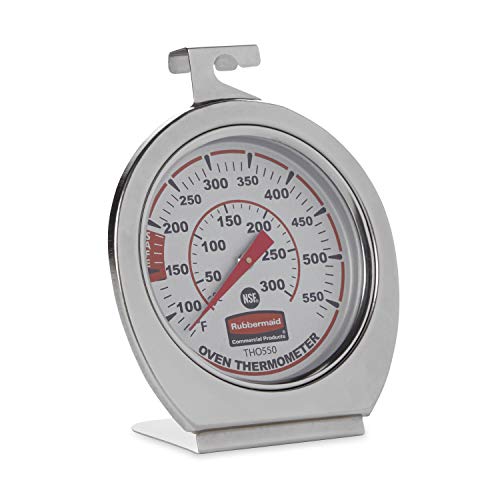
FOOD SAFETY: Thermometer displays true oven temperature instantly to ensure safe food preparation

Oven and grill safe for leave-in use while cooking
How Long to Sear Medium‑Rare Steak Tips
Now that your grill sits at a steady 450‑500°F, you can lock in a perfect medium‑rare sear on steak tips by cooking them for about 4 minutes per side—or 2‑3 minutes per side if you keep the lid closed. Preheat the grates, brush them with oil, and pat the tips dry; this prevents sticking and promotes a crisp crust. Flip once, halfway through, and avoid moving the meat to let the high heat caramelize the exterior. Use an instant‑read thermometer; aim for 130‑135°F internal temperature. Thicker cuts may need a minute extra per side, while thinner pieces finish sooner. For optimal results, choose cuts with good marbling to enhance tenderness and flavor. After searing, let the tips rest five minutes so juices redistribute, delivering a tender, juicy bite. Grilling over high heat adds a smoky, charred exterior that enhances flavor.

Perfect for grilling and barbecues -- steaks, pork chops, and all kinds of BBQ


Timing Guide for Medium‑Done Steak Tips
Any steak tip that’s about 1.25‑ to 1.5‑inch thick will need roughly 12‑14 minutes total on a 500‑600°F grill to hit a medium‑done finish. Preheat the grill, brush the surface texture with oil, and sear each side for 5‑6 minutes. After the initial sear, lower the heat to medium‑high (≈450°F) and finish the second side for another 4‑5 minutes, adjusting for thickness: 7 minutes on side 1 and 5‑6 minutes on side 2 for a 1.25‑inch tip, 7 minutes then 6‑7 minutes for 1.5‑inch. Use a meat thermometer; pull the steak at 135‑140°F for true medium. Let it rest five minutes before slicing. After resting, residual heat continues to gently cook the interior, ensuring maximum juiciness throughout the steak. Apply flavor enhancement tips—like a light salt rub or herb butter—while it rests to lock in juiciness and aroma. Look for cuts with good marbling to ensure maximum juiciness.
How Long to Cook Medium‑Well Steak Tips
For 1.25‑inch steak tips, aim for about 6‑7 minutes per side on a 500‑600°F grill to reach medium‑well. Preheat the grill, brush the grates with oil, and place the tips after they’ve rested at room temperature for 20‑30 minutes. Cook the first side until a deep sear forms, then flip and repeat. Use an instant‑read thermometer to check the internal temperature range of 140‑150°F, aiming for the USDA‑aligned 145°F minimum to guarantee safety and the preferred doneness level. Once the target is hit, remove the tips and let them rest for five minutes; this redistributes juices and finishes the cooking process. Adjust timing only if your grill runs hotter or cooler, but trust the thermometer over clock estimates. Consider using a two-zone fire setup to sear the exterior quickly while gradually cooking through the interior for edge-to-edge doneness. Fully thaw steaks before cooking to ensure even heat distribution.
Adjusting Grill Time for Steak‑Tip Thickness
How thick are your steak tips? Measure them and adjust the grill time accordingly. For 1‑¼‑inch tips, preheat a gas grill to 450°F, then lower to medium; sear side 1 for five minutes for rare, six for medium‑rare, seven for medium, nine for well‑done, flipping for the indicated second‑side minutes. At 1‑½‑inch, treat the same way but extend total time: rare 7‑13 min, medium‑rare 9‑15 min, medium 10‑16 min, medium‑well 12‑18 min. Two‑inch cuts need a high‑heat sear (8‑10 min side 1) then indirect heat (6‑9 min side 2) for medium‑rare; add a minute per doneness level. Use a proper grill surface—clean, lightly oiled, and pre‑heated—to prevent sticking, and apply the ideal marinade application just before grilling to enhance flavor without burning. Preheat to 450°F for a gas grill before reducing to medium heat. For the most accurate results, use a thermometer to verify your steak has reached the desired internal temperature rather than relying solely on timing estimates.

➤Fits for Kenmore Models 141.15227, 141.152270, 141.152271, 141.15337, 141.153371, 141.153372, 141.153373, 141.15401, 141.1554, 141.155400, 141.155401, 141.156400, 141.157900, 141.157901, 141.157902, 141.157940, 141.157941, 141.157950, 141.157951, 141.157980, 141.157981, 141.157990, 141.157991, 141.165400, 141.166400, 141.16681, 141.1669, 141.166901, 141.16691, 141.168600, 141.17227, 141.17337, 141.173371, 141.173372, 141.173373, 141.173379, 141.17560, 141.176400, 141.1768, 141.176801, 141.17681

Votenli S6505A Full Size Stainless Steel Cooking Grid Grates Replacement for Chargriller 2121, 2123, 2222, 2828, 3001, 3030, 3725, 4000, 5050, 5252, Set of 4
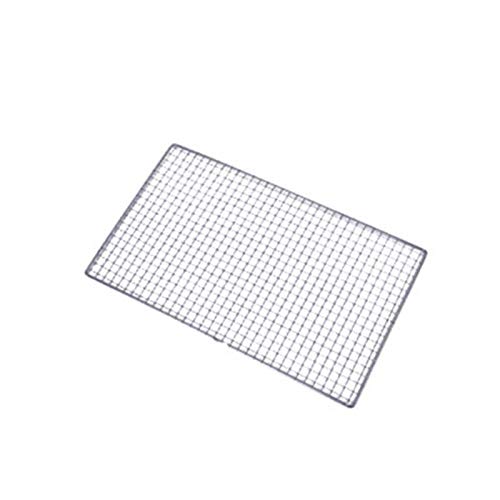
High Quality: Made of excellent food grade 304 stainless steel material, which is not easy to rusts and long-lasting. Barbecue brush is adopts food grade silicone, Environmentally friendly and safe for you. After use, it can be soaked in water and scrubbed with a brush, and stored in a dry place for next use
Using a Meat Thermometer for Precise Steak‑Tip Doneness
You’ll get reliable doneness every time by using a meat thermometer, because visual cues alone can mislead. Insert the probe into the thickest part of each tip, angling it slightly to avoid bone or fat, and wait until the reading stabilizes. Aim for 120°–125°F for rare, 130°–135°F for medium‑rare, 140°–145°F for medium, 150°–155°F for medium‑well, and 160°–165°F for well‑done. A solid buying guide for instant‑read thermometers highlights quick‑stabilization models, durable probes, and clear digital displays. Choose a device that delivers accurate readings within seconds, so you can pull the steak at the precise temperature and avoid overcooking. Different thermometer types, including wireless and probe thermometers, offer various advantages depending on your grilling setup and preferences. This approach guarantees consistency, food safety, and the perfect texture you expect. Resting time is essential because the steak continues to rise a few degrees after removal.
Carry‑Over Heat: Why Remove Steak Tips Early
A few minutes of carry‑over heat can turn a perfectly cooked steak tip into an overcooked one, so you should pull the meat off the grill a bit before it reaches your target temperature. When you remove a steak tip from a 400 °F grill, its outer layers retain enough energy to raise the core by 5‑14 °F within three to five minutes. This effect intensifies if you keep the meat covered, because the foil traps heat and slows loss to the environment. Conversely, placing the tip on a cold surface or removing the cover accelerates heat transfer, curbing the temperature rise. Thick cuts benefit most from early removal, as their mass stores more heat. By timing cover removal and using cold surface temperatures, you lock in the desired doneness without overshooting. For optimal results, aim for an internal temperature of 130-135°F for medium-rare before accounting for carry-over heat.
Resting Steak Tips: How Long and Why
Three to five minutes of resting is usually enough for most steak tips, but thicker cuts may need up to twenty minutes. You should place the meat on an ideal resting surface—preferably a warm plate or a rack—to keep heat without steaming. Aim for an excellent resting temperature just below your target doneness; this lets residual heat finish the cook while preventing over‑cooking. Resting relaxes tightened proteins, allowing fibers to re‑absorb moisture and distribute juices evenly. The result is a tender, juicy bite with consistent internal temperature and enhanced flavor. For thin cuts, allow at least five minutes; for ribeye, strip, or filet, target five to ten minutes. After searing your steak on direct heat, allow it to rest before slicing to maximize juiciness. Loosely tent with foil, then remove it once the rest period ends. Redistribution of juices ensures that every bite remains moist and flavorful.
Common Overcooking Mistakes & Fixes
Two common culprits—improper grill prep and faulty temperature monitoring—often turn perfectly good steak tips into dry, overcooked bites. If you skip preheating to 400‑450°F, neglect to clean grates, or forget to oil them, heat will be uneven and flare‑ups will ruin the Maillard crust. Thin cuts demand rapid, precise timing; a lean sirloin tip will dry out if you rely on touch alone. Use a meat thermometer to check internal temperature, aim for medium‑rare, and avoid cutting into the meat before it rests. Fixes include establishing a two‑zone fire, searing over indirect heat, and applying proper marinating techniques that add moisture and flavor. After cooking, let the tips rest five to seven minutes to let juices redistribute before slicing. Ribeye steaks are especially forgiving due to their marbling, which helps retain moisture during high‑heat cooking.
Quick Reference: Grill Times, Temperatures, Thickness
Grill your steak tips by setting the grill to a scorching 500 °F, then sear each side for the recommended minutes based on thickness—four minutes per side for a ¾‑inch tip, five for a 1‑inch tip, and up to six minutes per side for thicker cuts—while monitoring internal temperature with a thermometer and pulling the meat 5 °F below your target doneness. Use indirect heat initially if you prefer a reverse‑sear method, but the high‑heat finish guarantees a crust. For a ¾‑inch sirloin tip, aim for 8‑11 minutes total; for a 1‑inch tip, 11‑15 minutes. Adjust up or down by a minute per side for thinner or thicker pieces. This precise timing saves money on cuts by preventing waste and verifies each bite hits your desired rare, medium‑rare, or medium‑well level. Letting your steak rest for at least three minutes after grilling allows juices to redistribute, resulting in more tender and flavorful meat. Rest at least three minutes before slicing. USDA safe minimum internal temperature for chicken is 165 °F (73.9 °C).


