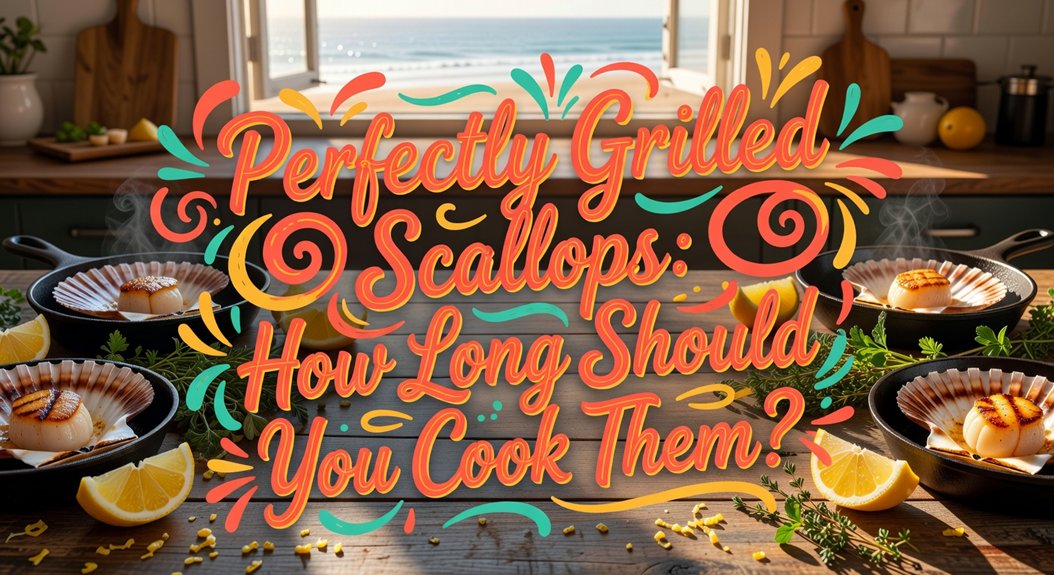
Grill your scallops at 500 °F for 2 minutes flat‑side down, then flip once and brush with compound butter for the last 30‑45 seconds. This quick sear creates a caramelized crust while keeping the interior tender and juicy. If you’re using medium‑high heat (375‑450 °F), aim for a 3‑minute first side and a 1‑2‑minute flip, basting at the turn. For jumbo, bacon‑wrapped, or shell‑cooked varieties, adjust times accordingly—details follow.
How to Grill Scallops at High Heat (500 °F) for a Perfect Sear
When you preheat the grill to 500 °F, the intense heat instantly caramelizes the scallops’ surface, creating a golden crust while sealing in juices. Lightly oil the grates, then place each scallop flat‑side down for a 2‑minute sear. Use a firm searing technique: keep the lid closed, avoid moving the meat, and flip only once after the crust turns opaque and golden. After flipping, brush the tops with compound butter application; the butter melts, infusing flavor while the second side cooks for 30‑45 seconds. Monitor the edges—once they’re firm and the interior reaches 145 °F, remove the scallops. Like halibut, using a meat thermometer ensures you avoid overcooking your seafood. Serve immediately on warm plates, and garnish with grilled lemon if desired. Dry‑packed scallops sear better and develop richer flavor.


6 pieces (Gross / 48g) / Individually packaged

HARVESTED IN NEW ENGLAND: These premium sea scallops are harvested in the pristine waters off the coast of New England, ensuring top-quality, fresh seafood for your culinary creations.
Choosing the Right Grill Temperature for Scallops (Medium‑High 375‑450 °F)
A medium‑high range of 375‑450 °F hits the sweet spot for scallops, delivering enough heat to sear without overcooking the delicate flesh. Preheat the grill until it steadies in this band; a 3‑minute sear on the first side creates a caramelized crust, then flip for 1‑2 minutes until the interior turns opaque and reaches 145 °F. Use searing versus basting wisely: a quick brush of butter or oil during the flip adds richness, but avoid excessive basting that cools the grill and stalls crust formation. Choose marinating versus dry seasoning based on timing—marinate 2‑24 hours for deeper flavor, or dry‑season immediately before grilling for a cleaner, brighter bite. Like heartier fish such as swordfish, scallops benefit from brief marinating with complementary ingredients to enhance their natural sweetness. Keep the grill steady, resist moving the scallops, and you’ll achieve firm, golden‑brown results every time. Diver scallops are harvested sustainably.
Grill Jumbo Scallops: 5‑6 Min Total @ 450 °F
The secret to perfect jumbo scallops is a blistering 450 °F sear that locks in moisture and creates a caramelized crust in just 5‑6 minutes. Preheat the grill to 450 °F, then oil the grates thoroughly. Pat each scallop dry, season lightly, and place the flat side down without moving it for the first 3‑4 minutes. This maximum heat sear forms a golden‑brown crust while preserving a tender interior. Flip once and cook the second side for 1.5‑3 minutes, maintaining the same temperature. Check the internal temperature; 145 °F signals doneness. Like delicate fish fillets, scallops benefit from protective grilling techniques such as using grill toppers to prevent them from breaking apart on the grates. The time‑temperature balance is critical—high heat for a short span prevents rubbery texture and guarantees juicy, firm scallops ready to serve. Easy, 3‑ingredient preparation makes this a quick, restaurant‑quality dish.
Bacon‑Wrapped Scallops: 15‑20 Min @ 400 °F
Four minutes at 400 °F will give you bacon‑wrapped scallops that are juicy inside and crisp outside. First, soak toothpicks, rinse and pat the scallops dry, then season with salt, pepper and olive oil. Wrap each scallop with a thin‑cut bacon half‑slice, secure with a soaked toothpick, and place three per skewer. Preheat the grill to 400 °F, close the lid for 15 minutes, then move the skewers to a medium‑high zone (375‑425 °F) for direct heat. Grill 15‑20 minutes, turning once, until the scallops turn opaque and the bacon reaches full crispness. Aim for even cooking; the internal temperature should hit about 130 °F. Using indirect heat alongside direct heat ensures uniform texture and a perfectly crisp bacon exterior. Lobels has been a purveyor of fine meats for six generations, ensuring high‑quality bacon for optimal flavor.
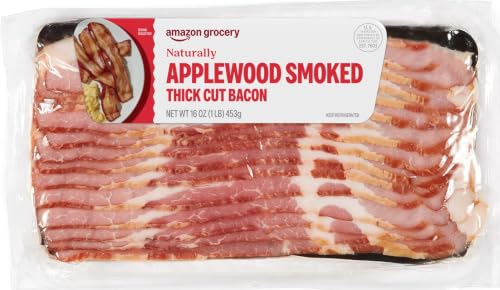
One 16 ounce package of Naturally Applewood Smoked Thick Cut Bacon

One 40 ounce package of Thick Sliced Hickory Smoked Bacon

Rise and Shine: Start the morning with a boost of happiness so good, it can be tasted. This Premium Hickory Smoked Bacon is thick cut for a bold, yet balanced flavor that will brighten anyone’s morning.
Grill Shell‑Cooked Scallops: 1‑1.5 Min Per Side @ ~400 °F
Three minutes of preheating the grill to around 400 °F sets the stage for perfectly cooked shell‑cooked scallops; you then place oiled shells on the grate one minute before adding the scallops. Guarantee an optimum shell to scallop ratio—one scallop per shell—so heat circulates evenly. Pat each scallop dry, season, and set them in the hot shells. Grill 1‑1.5 min per side, watching the bottoms turn golden brown. Use searing vs. basting techniques: sear the first side to develop a caramelized crust, then flip and baste with compound butter, letting it melt and bubble. Proper preheating and seasoning techniques are essential for achieving that classic grilled taste when cooking indoors. The butter finishes cooking while preserving a tender interior. Remove when edges sizzle and the flesh is opaque but firm. Melted butter is mixed with parsley, scallions, red chili flakes, garlic, and horseradish to create a flavorful compound butter.
Check Scallop Doneness by Texture, Opacity, and Temperature
When you press a cooked scallop gently with a fingertip, it should spring back slightly, feeling firm yet silky; this bounce confirms the ideal texture. Feel for a slight resistance—firm but not rubbery. Next, examine opacity: the center must be fully opaque, while the sides turn opaque right after the flip. A golden crust signals the visual cue. Finally, check temperature: a probe reading of 115°F at the core, rising to 125‑130°F after carry‑over, guarantees doneness without toughness. Adjust timing based on thickness preference and cooking method considerations; thinner pieces finish in 60‑90 seconds per side, thicker ones need a few seconds longer. To prevent sticking during the grilling process, ensure your cooking surface is properly prepared with oil-wiped grates. Combine texture, opacity, and temperature checks for reliable results every time. Use dry scallops for the best sear and flavor.
How to Keep Scallops Juicy and Avoid Rubberiness
A perfect crust and the right temperature tell you the scallop is done, but keeping it juicy hinges on controlling moisture and heat from the moment it hits the pan. Pat each scallop dry with paper towels, then salt both sides and rest presentation‑side down for 15 minutes to draw out excess water. Dry again before searing to prevent steaming. Preheat a stainless‑steel pan until it smokes, add a high‑smoke‑point oil, and wait for a light shimmer. Lay the scallops presentation‑side down, avoid overcrowding, and let a golden crust form naturally; don’t force them off. Flip once, reduce heat, add butter, and baste. Remove from the pan while the center still jiggles, allowing carry‑over cooking—this timing is essential for avoiding overcooking and keeping the interior tender. Overcrowding the pan prevents a proper sear and leads to steaming. Quick cooking times of under 10 minutes ensure the scallop remains tender and succulent throughout.