Bring the picanha to room temperature, score the fat cap in a crosshatch, and salt it generously. Set up a two‑zone grill: bank charcoal or ignite one gas burner high for a 500 °F searing zone, leaving the opposite side cooler. Sear the flesh side 2‑3 minutes, flip and crisp the fat cap 2‑4 minutes, flipping every couple of minutes while monitoring the zone at 400‑450 °F. Use a meat thermometer; pull the steak at 130‑135 °F, rest ten minutes, then slice across the grain. Continue and and you’ll uncover advanced tips for butter‑basting, reverse‑searing, and perfect pairings.
Why Picanha Is a Grill‑Star and What You’ll Learn
Why does Picanha dominate the grill? Its thick fat cap renders into a self‑basting glaze, creating a crispy crust while keeping the interior succulent. You’ll learn how the triangular cut, sourced from the top sirloin, delivers intense beef flavor amplified by the rendered fat, and how its light muscle work guarantees chewable tenderness. The cultural influence of Brazilian churrasco, where Picanha anchors family celebrations, underscores its status as a grill‑star. Nutritional benefits include 26 g of complete protein per 100 g, highly bioavailable heme iron, and ample B12, zinc, and selenium for muscle growth and immunity. Understanding these attributes lets you exploit the cut’s natural insulation, rich marbling, and authentic heritage for superior open‑flame results. For optimal cooking results, selecting the right charcoal ensures consistent heat output and superior flavor development that complements Picanha’s natural richness.
Preparing the Steak: Room‑Temp, Scoring, Oil, and Salt
The fat cap that makes picanha a grill‑star also dictates how you prepare it, so start by bringing the meat to room temperature: remove it from the fridge about an hour before cooking, then let it sit for 15‑20 minutes after you’ve sliced it into steaks. While the steaks rest, apply a scoring technique to the fat cap, cutting a shallow crosshatch pattern that penetrates only the fat layer. This creates channels for the Salt application to reach the surface and promotes even rendering. Sprinkle kosher salt generously over both sides, then let the meat rest another 20‑30 minutes; the salt draws out moisture, intensifies flavor, and begins the curing process. Using a meat thermometer ensures you achieve the ideal internal temperature for your desired doneness level. No oil is needed on the steak itself—rely on the fat’s natural lubrication during grilling. Picanha is a tender cut that is especially popular in South America.
Setting Up a Two‑Zone Grill for High‑Heat Sear and Gentle Finish
You’ll want a grill that offers a searing hot zone and a cooler side for the finish, so start by dividing the cooking surface into two distinct temperature zones. Bank charcoal on one side, leave the opposite side empty, and open all vents to achieve 500°F+ in the hot zone while the cool side settles around 250‑300°F. For gas, ignite one burner high, turn the others off, and keep the hot zone at 400‑450°F. On a kamado, place a half‑moon convEGGtor stone on the indirect side, leave the direct side exposed, and preheat to 240‑260°F for low‑and‑slow. Constantly monitor and adjust vents, managing combustion airflow to sustain the temperature split, and fine‑tune grill zone temperatures with a hand‑test or probe for precise control. Allow your steak to rest for 5-10 minutes after cooking to let the juices redistribute throughout the meat. Dry meat before cooking maximizes the crust development.

【Master Two-Zone & Indirect Cooking】 Designed in a perfect half-moon shape, this charcoal basket fits snugly against the side of your kettle grill. It instantly creates a dedicated "Hot Zone" for searing and a "Cool Zone" for slow roasting or keeping food warm. This setup is essential for cooking ribs, whole chickens, or pork butts without burning, giving you restaurant-quality results.

Powerful Heating System: Equipped with 4 main stainless steel burners, delivering a total power of up to 37,000 BTU. Ensures fast and even heating for perfect grilling, stewing, and side burner cooking, meeting all your outdoor culinary needs.

【High Temperature Stainless Steel】- The Grill Heat Plates Heat Zone Separator for Blaze are made of High Temperature Resistant Stainless Steel SS430 (Magnetic), it's high heat resistant. it's more durable and longlasting than SS304 materials under high heats. This replacement flame tamer will withstand heat and last for many cooking seasons.
How to Grill Picanha: Master the Sear, Timing, Flare‑Ups, and Constant‑Flip Trick
Kick off the grill by searing the picanha’s flesh side on the scorching zone for 2–3 minutes, then flip to crisp the fat cap for another 2–4 minutes, keeping the hot area around 400‑450 °F (a hand held 5 inches above the grate should feel 7‑9 seconds of heat). You’ll achieve ideal crust formation by maintaining that temperature and flipping every 2 minutes. Use a V‑shaped grate to channel drips, and move the steak to the cooler side whenever flare‑ups appear. Keep the lid closed between flips to stabilize heat, then return slices to high heat for a final 1‑2‑minute sear per side. Monitor internal temperature, aiming for 130‑135 °F, and rest ten minutes before serving. The fat cap renders flavor as it cooks, enhancing juiciness and taste. After resting, top the picanha with compound butter to add richness and enhance the crust you’ve developed.

Nonstick & Easy to Clean: The Switzerland ILAG nonstick coating is very effective in preventing anything from sticking to the surface, even with minimal oil, and also makes cleaning a breeze, just wipe it with a paper towel or rinse it with water. Free of PFOA and PFOS.

Steakhouse Sear At Home: The Lodge Square Cast Iron Grill Pan delivers high-heat searing and bold grill marks while channeling excess grease away
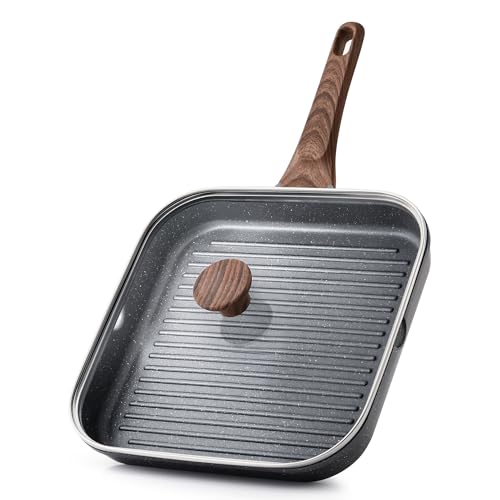
Nonstick & Easy to Clean: The Switzerland ILAG nonstick coating is very effective in preventing anything from sticking to the surface, even with minimal oil, and also makes cleaning a breeze, just wipe it with a paper towel or rinse it with water. Free of PFOA and PFOS.
Grilling Picanha Indirectly: Reverse‑Sear vs. Traditional Method for Desired Doneness
I’ll walk you through why the reverse‑sear method usually outperforms the traditional indirect approach when you want a perfectly medium‑rare picanha. Start by smoking or grilling at 225 °F until the internal temperature checkpoints hit 110‑115 °F. Rest for 10‑15 minutes while the sear surface preheats, then sear the fat side down 2‑4 minutes per side on high heat. This yields a final internal temperature of 120‑125 °F, ensuring even doneness and a crisp fat crust. In the reverse sear vs. traditional method comparison, the traditional indirect method lacks precise checkpoints and often ends with a brief 1‑2‑minute sear, risking under- or over‑cooking. The reverse‑sear’s low‑heat phase locks in moisture, provides consistent smoky flavor, and minimizes overcooking risk for a reliable medium‑rare outcome. Like London Broil, slicing the meat across the grain after cooking maximizes tenderness and flavor. Place picanha fat side up on the grill grate to promote even smoke penetration.
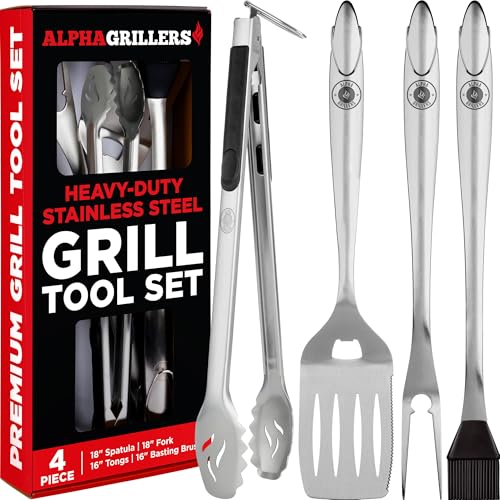
Essential Grilling Accessories - Grilling accessories for gas, charcoal, electric, and smoker grills. This 4-piece bbq set of grill tools and barbecue tools includes a spatula with opener, fork, lockable tongs, and silicone brush, giving you a complete bbq kit for outdoor cooking.
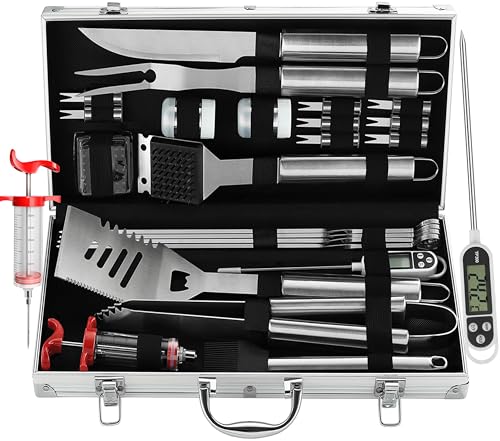
Complete Grilling Set: The BBQ tools have 4 in 1 spatula, meat fork, power tongs, meat injector, meat thermometer, cleaning brush, extra brush head, 8 corn holders, salt and pepper shakers, knife, basting brush, 4 BBQ skewers and aluminum case

Sufficient Set: you will receive 30 stainless steel grill pins which provide enough quantity for family daily grilling gatherings or outdoor camping These stainless steel skewers are reliable tools for preparing food They help secure meat or vegetables with ease making them an essential accessory for barbecue lovers
Resting, Butter‑Basting, and Slicing Grilled Picanha for Maximum Tenderness
After the reverse‑sear finishes, letting the picanha rest for 5–10 minutes (or 20–30 minutes when you’ve smoked it low‑and‑slow) is the key to locking in moisture and achieving a uniform pink interior. Cover the meat loosely with foil to prevent heat loss while allowing the surface to firm. During the rest, juices retention occurs as the muscle fibers re‑absorb liquid, ensuring the ideal resting period yields a succulent steak. While it rests, baste with melted butter and a drizzle of olive oil for 5–6 minutes, brushing both sides to enhance flavor and browning. Using hardwood pellets like oak, cherry, hickory, or mesquite during the smoking phase will infuse the picanha with deep, complex smoke flavors that complement the butter-basting. After resting, slice against the grain using a sharp slicer; this breaks fibers, maximizes tenderness, and preserves the pink‑red core. Finish with a pinch of finishing salt. Use a meat thermometer to ensure the internal temperature reaches 130°F for medium‑rare.
Serving Grilled Picanha: Ideas, Chimichurri, and Quick Troubleshooting
You’ll want to plate the picanha while it’s still warm, arranging thin slices directly from the skewers onto a serving board or individual plates. Slice to a 130°F internal temperature, then dollop traditional Brazilian chimichurri to capture the fat‑cap flavor. Pair the meat with roasted carrots, rosemary potatoes, or grilled vegetables for a balanced plate. Offer salsa verde variations on the side for bright contrast, and arrange lettuce wraps on a tray for a casual sharing presentation. If slices turn overcooked, move the skewers to indirect heat after a four‑minute sear per side and monitor temperature closely. For undercooked pieces, extend indirect grilling until the meat reaches 125°F, then rest five minutes to finish the carryover rise. The fat cap should be left on during grilling to enhance flavor and keep the meat juicy. Grilled picanha provides substantial protein content that supports muscle growth and metabolism while delivering essential nutrients for overall health.