Preheat a pellet or gas grill to a steady 400 °F, then let the elk steak sit at room temperature for up to an hour. Lightly coat it with olive oil, sprinkle a dry rub of sweet paprika, chile powder, cumin, and kosher salt, and marinate for at least four hours. Sear the steak in a smoking‑hot cast‑iron skillet with high‑smoke‑point oil, butter, garlic, and rosemary, flipping after two minutes and basting continuously. Use a thermometer to pull the steak at 120‑125 °F, then let it rest five to ten minutes so the internal temperature rises to a perfect medium‑rare 125‑130 °F. Continue for deeper details on timing, aromatics, and pairing.
How to Grill Elk Steak: Step‑by‑Step Overview
When you’re ready to grill elk steak, start by seasoning both sides with salt and black pepper, then set a cast‑iron skillet directly over hot coals for rapid, even heat. The cast‑iron pan is among the ideal cooking vessels for optimum searing methods because it retains and distributes temperature uniformly. Lay the steak in the skillet, sear two minutes, rotate 45 degrees to create crosshatch marks, then flip. Add crushed garlic, rosemary, and a pat of butter; baste continuously to safeguard moisture and amplify flavor. Monitor the steak closely—elk cooks fast—aim for a 125‑130 °F internal temperature for medium‑rare. For best results, use a reliable meat thermometer to ensure accurate temperature readings throughout the cooking process. Once achieved, remove, let rest five to seven minutes, then slice. This concise sequence guarantees consistent, restaurant‑quality results. The marinade adds flavor without overpowering the meat.
Choose the Right Grill and Pre‑heat to 400 °F
If you want a consistent, high‑heat surface for elk steak, start by picking a grill that can reliably hold 400 °F and pre‑heat it thoroughly. A pellet grill such as the Green Mountain Daniel Boone model delivers sear temperature consistency when you load premium hardwood pellets and let the unit reach 400 °F with a temperature probe. Even pellet distribution across the firebox prevents hot spots, ensuring every inch of the cooking surface stays uniform. The digital controller monitors temperature and regulates pellet feeding to maintain precise heat levels throughout your cooking session. For gas lovers, a Traeger set to High preheats in 15 minutes, reaching roughly 450 °F, which you can dial back to 400 °F for precise searing. Charcoal rigs require a mound of lump charcoal, allowing the grates to glow at 400 °F before you place the elk steak. This disciplined pre‑heat guarantees a flawless crust while preserving the meat’s natural tenderness. Marinating the elk for 6‑8 hours helps balance its gamey flavor.

Replacement part number: 06900, suitable for various Presto Frying pans, frying pans, electric pressure cookers, frying pans and other kitchen appliances

Precise Dimensions: This 06900 probe temperature control thermostat cord features standard 1-3/8 inch terminal spacing and operates within 0-400°F range. Fits for use with Presto 0216001 0590001 0662001 0662502 0662602 0671109 0671310 0684001 0684101 0684201 0685001 0685101 0685202 0685503 0685607 0685704 0685806 0686001 0702306 0702406 0703016 0703207 0703716 0703807 0703907 0704205 0704405 0704506 0704512 0704608 0704609 0704610 0704707 0704717 0705501 0705606 0706201 0707103 0707202 0707304 0708001 0711107 0711308 0711508 0711609 0711709 0711711 0711909 0721101 0721103 0901001 0902001
Season and Marinate Elk Steak for Maximum Flavor
Even before the grill roars, the flavor of elk steak hinges on a well‑balanced seasoning and a carefully timed marination. First, coat each steak lightly with olive oil; this helps the dry rub adhere and maximizes marinade consistency. Mix sweet paprika, light chile powder, ground cumin, and kosher salt—2 tsp each of the spices and 1 tsp salt for two 8‑oz steaks. Sprinkle coarse salt and black pepper for a minimalist finish. For a wet option, blend olive oil, lemon juice, balsamic vinegar, soy sauce, Worcestershire, garlic, and black pepper; use 2 Tbsp olive oil, 1 Tbsp each of the acids, ½ Tbsp Worcestershire, ½ tsp pepper, and two minced garlic cloves. Marinate at least four hours, flipping halfway, or overnight for maximum tenderness. Allowing meat to rest after cooking helps juices redistribute, ensuring each bite remains tender and flavorful. Feel free to experiment with flavor profiles, adding rosemary or a dash of turmeric, but keep the natural elk taste front‑and‑center. The recipe calls for lime garlic butter to be brushed on the steak during the final minutes of grilling.

STEAK SEASONING FOR BEEF & VENISON: Crafted to enhance ribeye, New York strip, sirloin, filet mignon and wild game with bold Western-style flavor.

DEER & WILD GAME SEASONING: Perfect for venison and beef steaks, roasts, burgers, and backstrap with bold Western-style flavor.

BOLD STEAKHOUSE FLAVOR: A savory blend of herbs, garlic and spices enhances steaks, roasts and chops with rich, robust flavor.
Bring Elk Steak to Room Temperature & Prep Cast‑Iron Skillet
Although the grill will finish the cook, you should let the elk steaks sit out for up to an hour before they hit the heat. Remove from fridge and place them on a clean rack; this partial warm‑up trims the chill, prevents a burnt exterior, and promotes edge‑to‑edge doneness without inviting bacterial growth. While the meat acclimates, preheat cast iron over medium‑high heat. The skillet must be dry and smoking hot, ensuring rapid heat transfer and a crisp crust. Add a thin film of high‑smoke‑point oil only after the surface is dry. Keep the pan empty to maintain temperature. This preparation guarantees an even sear and a smooth progression to the grill’s direct heat. Allowing the steak to come closer to room temperature helps achieve a more even cook. For any leftovers, store cooked elk steak in the refrigerator at or below 40°F and consume within three to four days to maintain food safety.
Master Direct‑Heat Sear: Timing, Butter Basting, and Aromatics
When the skillet is screaming hot, melt a tablespoon of butter and lay the elk steak in the center, letting it sear undisturbed for exactly two minutes; this brief, high‑heat contact creates a deep, caramelized crust while the butter begins to coat the meat with rich flavor. After the first side, add two garlic cloves, a rosemary sprig, and another tablespoon of butter; let the aromatics melt into the butter, then flip the steak. Cook the second side for two minutes, tilting the pan and spooning the infused butter over the meat to drive flavor enhancement and uniform sear development. Finally, sear the edges for thirty seconds each with tongs, wiping the skillet between steaks to preserve peak heat and prevent cross‑contamination. The steaks should be seasoned with kosher salt and black pepper before cooking. Use a meat thermometer to verify the internal temperature reaches your desired doneness level, ensuring consistent results every time.

Butter flavor and aroma complemented with garlic, salt and mild black pepper for any occasion.
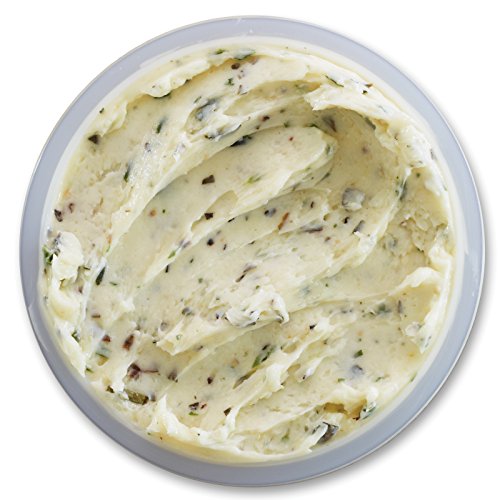
RICH AND SAVORY FLAVOR: Immerse your taste buds in the decadent taste of roasted garlic paired with a delightful blend of oregano, basil, and parsley in every luxurious bite of our compound butter.

Steakhouse-style Butter : Blend this garlic herb seasoning with unsalted butter to create compound butter that melts perfectly over ribeye, filet mignon, or sirloin.
Use a Thermometer for 125‑130 °F Elk Steak (Medium‑Rare)
After the butter‑basted sear, slide an instant‑read thermometer into the thickest part of the elk steak to lock in the 125‑130 °F range that guarantees a medium‑rare, juicy interior. For thin cuts, a quick probe works; for 1‑2‑inch steaks, a wireless leave‑in device lets you track temperature without repeatedly opening the grill. Verify the reading at the thickest point and monitor every 30 seconds during the final flip. Aim for the ideal internal temperature of 125‑130 °F, pulling the steak at 120‑125 °F to accommodate the 5 °F carry‑over. Consistent temperature monitoring techniques prevent overcooking, preserving the lean meat’s tenderness and buttery flavor while avoiding the toughness that appears beyond 135 °F. When selecting a thermometer, prioritize accuracy and durability to ensure reliable readings across multiple grilling sessions. Thick cuts require a lower initial target temperature to account for greater heat retention.
Rest the Steak 5‑10 Minutes for Juicy Results
A brief 5‑10‑minute rest after grilling lets the elk steak’s juices redistribute, turning the surface moisture into a tender, juicy interior rather than a dry, pooled mess. During this guided rest process, residual heat carries the internal temperature up 5‑10 °F, nudging a medium‑rare steak from 125‑130 °F to the ideal resting temperature of 130‑135 °F. Place the steak on a warm plate, tent loosely with foil, and avoid cutting until the timer expires. This pause allows the lean elk fibers to re‑absorb moisture, preventing the dry texture that plagues wild‑game cuts. Use a thermometer to verify your steak has reached the perfect internal temperature before resting. Slice against the grain after rest, and you’ll serve a consistently juicy, tender steak every time. Proper processing of the animal is key for tender, delicious results.
Slice, Serve, and Pair Elk Steak With Complementary Drinks
Slice the rested elk steak against the grain into thin, ¼‑inch strips, then arrange the pieces slightly overlapping on a pre‑heated plate; a sharp knife guarantees clean cuts while preserving the meat’s tenderness. Fan the strips for a striking layout that will present visually and let the juices pool beneath. Drizzle a light balsamic reduction or lemon‑infused oil, then scatter microgreens and a pinch of sea‑salt flakes to accentuate umami. Pair the dish with a medium‑bodied Pinot Noir or a crisp amber ale; both amplify the lean gaminess without overwhelming it. For a richer experience, serve a neat bourbon, letting its earthy notes echo the elk’s depth. Keep the plate hot, garnish with rosemary or juniper, and enjoy the balanced, aromatic bite. The elk’s high protein content makes it a nutritious choice for a satisfying meal that supports muscle growth and overall metabolic health.
Common Mistakes & Troubleshooting Over‑/Undercooked Elk Steak
When you grill elk steak, the most common mistake is overcooking it, because the meat’s low fat content and delicate flavor demand a medium‑rare finish (125–130 °F). Overcooking causes rapid moisture loss, turning the steak tough and dry; undercooking leaves the interior chewy and prevents proper protein breakdown. To avoid these pitfalls, preheat the grill to a steady medium‑high heat, sear each side 2–3 minutes, then finish with a brief indirect‑heat phase. Apply a thin coat of oil or butter for moisture loss prevention, and rest the steak at least five minutes before slicing. Use an instant‑read thermometer for precise doneness verification, and wrap any overcooked pieces in foil immediately to halt temperature rise. Season the steak 30 minutes before grilling to allow the flavors to permeate the meat. Avoid pressing the steak while grilling, as this squeezes out valuable juices that redistribute during the resting period.


