
Scale the snapper from tail to head with a fork, rinse and dry, then cut the dorsal and anal fins and make a belly slit to gut it. Pat the skin dry, season with salt, pepper, garlic, onion powder, and a lemon‑pepper‑paprika rub, then brush with herb‑infused butter. Start the fillet skin‑side down on a hot direct zone for two minutes, flip to indirect heat, and cook 4–6 minutes until the flesh reaches 135‑140 °F. Finish with a quick sear if you like a crisp crust, then let it rest before serving. More details await if you keep going.
Clean & Prep Red Snapper for Grilling
How do you get a red snapper ready for the grill? Start by scraping the scale patterns with a fork, moving from tail toward head, applying just enough pressure to lift each scale without tearing flesh. Work over newspaper to catch debris, and rinse the fish under cold water to wash away loose scales. Trim the hard dorsal and anal fins using sharp shears, keeping soft fins intact for flavor. Make a thin belly slit from vent to head, then pull the guts out in one smooth motion—your manual dexterity will keep the cavity clean. Rinse the cavity thoroughly, wipe the exterior dry, and score the sides with two diagonal cuts per side for seasoning. After preparing your fish, ensure your grill grates are clean by using a grill brush to remove any debris before cooking. Inspect for any missed bones before you move to the grill. Use a fork to easily remove scales.

Service most battery types and cable ends with one tool Top Post 31 Truck Marine and Side Terminal Lightweight Package dimensions:10.0"L x 10.0"W x 9.0"H
Set Direct or Indirect Grill Heat
Ever wondered which heat zone will give your red snapper that perfect sear without drying it out? Set up a two‑zone fire: place coals or burners on one side for direct heat, leave the opposite side empty for indirect cooking. Start the fillet skin‑side down over the hot grate for two minutes, then rotate the grate 180° to move it to the indirect side. Close the lid, keep the temperature between 375°F and 425°F, and let the fish finish in eight to ten minutes. Use a drip pan with water under the indirect zone to catch juices and control flare ups. Adjusting grill temperature precisely lets you lock in moisture while achieving crisp, grill‑marked skin. For thicker foods, indirect heat circulates hot air evenly, preventing burning. Managing your cooking temperature with water pans and vents ensures consistent results and prevents your delicate fish from overcooking.
Season With Salt‑Pepper‑Lemon or Bold Spice Blend
Now that the grill’s heat zones are set, choose a seasoning that matches your flavor goal. For a classic profile, sprinkle salt, black pepper, garlic powder, and onion powder evenly on both sides of the fillet. After grilling, drizzle a herb‑infused basting sauce—mix butter, lemon zest, dill, and parsley—to add bright citrus without excess moisture. If you prefer bold depth, apply a dry rub of lemon‑pepper, paprika, Cajun seasoning, and a pinch of chili flakes; the blend already contains salt, so omit extra. Finish with a quick brush of the same herb‑infused basting sauce to enhance pan‑seared texture contrasts while preserving the fish’s delicate flesh. To ensure your red snapper reaches optimal doneness, cook until it reaches an internal temperature of 125°F to 130°F. This method showcases the mild sweetness of red snapper, making each bite a balanced blend of flavor and texture.

Authentic Latin Flavor: Experience the bold, tangy character of Traditional Mojo with a fragrant fusion of garlic, onion, and vibrant citrus that enhances meats and vegetables with every sprinkle

Features a blend of natural flavors and seasonings, including garlic and rosemary

Grill Fillet Skin‑Side Down: Timing & Flip Cues
When the grill reaches a steady 400 °F, lay the seasoned fillet skin‑side down, positioning it diagonally across the grates; then close the lid and monitor the temperature. Use grill grate oiling techniques—wipe the grates with an oil‑dipped paper towel or spray cooking spray—just before the fish hits the heat. Cook the skin for four minutes, watching for a golden‑brown crust and easy release when you slide a fork between the grates. If the fillet lifts cleanly, execute the flip by turning it onto an empty spot, not by lifting with tongs. Timing cues: 4 minutes for thin fillets, up to 6–8 minutes for thicker pieces, always guided by temperature monitoring techniques to keep the grill at 400 °F. Flip once, then finish the flesh side for two to three minutes until flaky and the desired internal temperature is reached. The America’s Test Kitchen method suggests brushing the grates ten times for optimal non‑stick performance.

For Fat Free Cooking, so there’s more on your plate, and less in your pan

Pack of 3 Cans
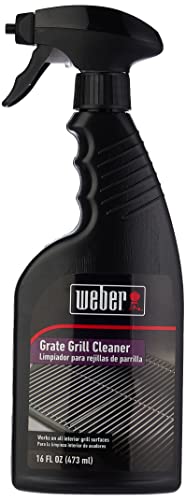
This 16 oz spray bottle of Weber Grill Grate Cleaner was engineered for use on cooking grate surfaces, including stainless steel and porcelain-enameled, cast-iron grates
Cook Whole Snapper: Indirect Roast + Direct Finish
Start by setting up a two‑zone grill: heat one side to a steady 400 °F for direct searing and keep the other at 300‑350 °F for indirect roasting. Pat the snapper dry, score deep ⅛‑inch slits, and stuff the cavity with thyme, dill, and lemon. Rub the exterior with oil, salt, and pepper, then drizzle a herb‑garlic oil into the cuts. Place the fish on the indirect side, close the lid, and roast 7‑10 minutes per side until the internal heat reaches the ideal core temperature of 135‑140 °F. Apply a proper basting technique—brush the fish with the remaining oil every two minutes—to keep it moist. Using accurate temperature monitoring with a meat thermometer ensures you achieve perfect doneness throughout the cooking process. Transfer to the direct zone, sear 2‑3 minutes per side, and finish until the core hits 140‑145 °F. Remove, let rest briefly, and serve. Red snapper is a healthy source of protein and omega‑3 fatty acids.
How to Tell When the Fish Is Done & Rest?
Ever wonder how to know a red snapper is perfectly cooked before you slice it? You’ll monitor internal temperature with an instant‑read thermometer, aiming for 130‑135°F (54‑57°C). Insert the probe into the thickest part; once it hits that range, the flesh turns opaque and flakes easily with a fork. This visual cue confirms protein coagulation and prevents overcooking. After you pull the fish from the grill, let it rest for about five minutes. Resting stabilizes the temperature, allowing carry‑over heat to finish the cooking process without drying the meat. During this brief pause, moisture redistributes, preserving the buttery texture you expect from a perfectly grilled red snapper. Finishing with fresh lemon juice and optional toppings like crushed red pepper can enhance the natural flavors of your catch. Brining the fish before cooking helps enhance flavor and moisture retention.
Serve Grilled Red Snapper With Herbs, Citrus, and Cheek Meat
Now that the snapper has rested and its flesh is perfectly flaky, you can boost its flavor by stuffing the cavity with a balanced mix of fresh parsley and cilantro, a few thin lemon slices, and a couple of smashed garlic cloves, then rubbing the exterior with the same herb‑citrus blend. For the garlic herb stuffed cavity, add a pinch of salt, pepper, and a drizzle of olive oil to lock in moisture. Arrange the fish on a large platter, exposing the cheek meat for a premium bite. Drizzle olive oil over the skin, garnish with chopped chives and extra parsley, and serve lemon wedges alongside. Before serving, ensure your grill grates were properly seasoned with high-temperature cooking oil to prevent sticking and enhance the fish’s exterior. Finish with a citrus chimichurri drizzle, letting diners enjoy the cheek meat presentation and bright herb‑citrus notes. Marinating for at least four hours enhances the flavor.


