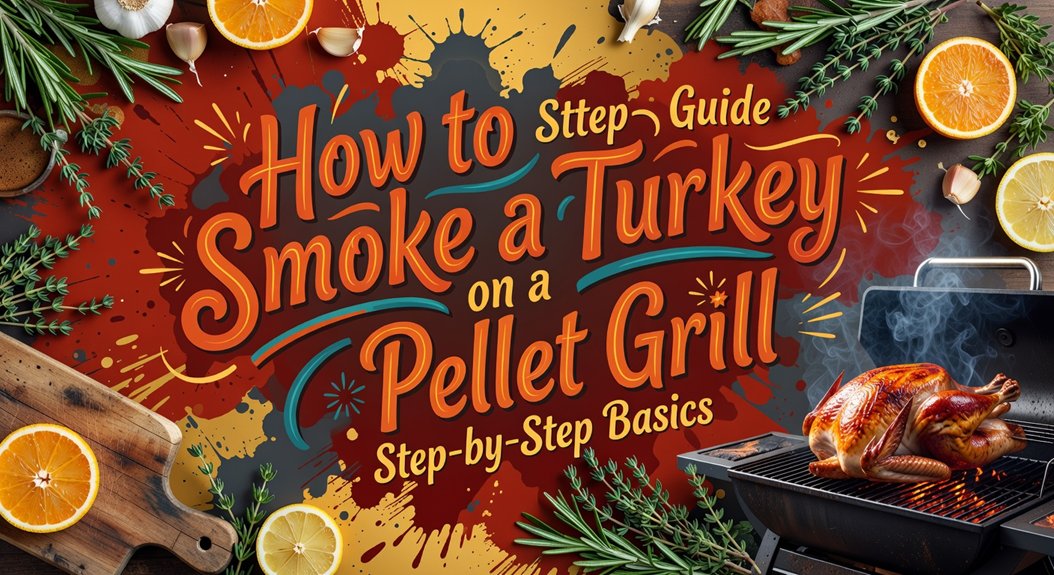
Set your pellet grill to 250 °F, then preheat to 225 °F and let the wood smoke fill the air. Pat the thawed turkey dry, rub olive oil, butter and lemon pepper under the skin, and air‑dry on a wire rack for two hours. Place the bird on the grill, insert breast and thigh probes, and smoke at 225‑275 °F for about 30 minutes per pound, adding hickory‑apple pellets for depth. After two hours, crank the heat to 350‑375 °F, baste with broth, and brush butter‑herb for a crisp, mahogany crust. Let it rest under loose foil for 20‑30 minutes before carving, and you’ll uncover even more tips ahead.
Prepare Your Grill and Turkey for Smoking
A solid start begins with getting the pellet grill hot and the turkey ready. Set the smoker to 250°F, then preheat to 225°F before nudging it up to 325°F for a crisp skin, or keep it at 275°F for a low‑and‑slow approach. While the grill warms, focus on turkey preparation: pull the thawed bird from its bag, discard the neck and giblets, and rinse inside and out with cold water. Pat it dry with paper towels, then let it air‑dry on a wire rack over a sheet pan in the fridge for two hours. Brush olive oil under the breast skin, add a butter rub, and sprinkle lemon pepper. Stuff the cavity with lemon, onion, basil, and butter sticks, then tie the legs together with butcher twine. Place the bird breast‑side up on a roasting rack, insert a leave‑in probe into the thickest breast, and you’re set for smoking. Use a sharp knife to trim any excess fat before cooking. Monitoring the internal temperature with a meat thermometer ensures your turkey reaches the proper doneness throughout the cook.
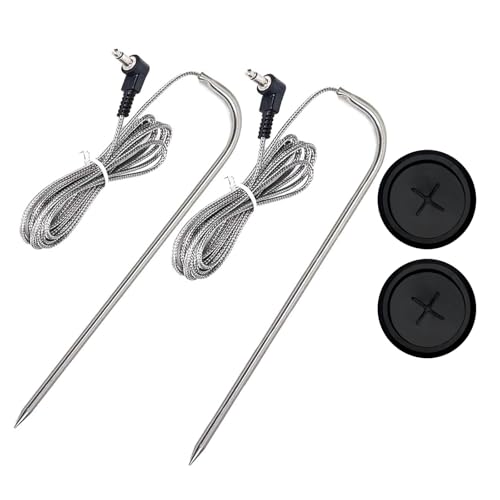
REPLACEMENT PIT BOSS MEAT PROBE : Temperature probe replacement compatible with PIT BOSS pellet grills and pellet smokers with digital control probe capability. NOTE: meat probes are NOT FIT for MASTERBUILT, CAMP CHEF, CHAR GRILL etc all series smokers
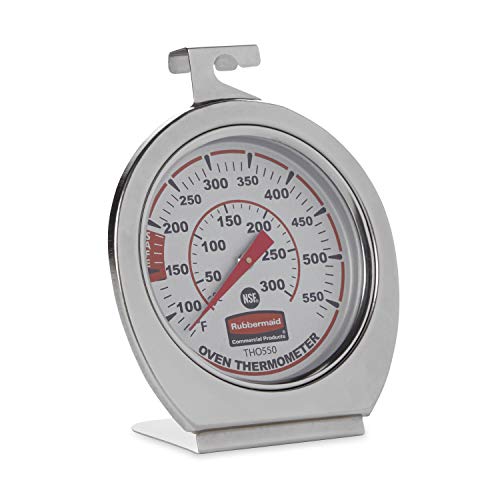
FOOD SAFETY: Thermometer displays true oven temperature instantly to ensure safe food preparation

COMPATIBILITY: Meat probe is only compatible with Pit Boss wood pellet grills and smokers. NOTE: The probe NOT FIT FOR Treager, Camp Chef, Masterbuilt, Char-Grill, Therm Pro. Please ensure your grill and confirm that the model is compatible
Choose Pellet Flavor and Smoke Mode
When you fire up the pellet grill, pick a wood that matches the turkey’s flavor goal—apple for a gentle, sweet herbaceous note, pecan for nutty depth, hickory for bold, bacon‑like richness, or cherry for a light, fruity whisper. Load the chosen pellets, then set the grill to the “smoke” mode at 250°F for the first two hours. This low‑heat burst extracts the wood’s character, letting your turkey brining techniques shine through the smoke. As the bird cooks, the aroma of apple or cherry mingles with herb paste, while pecan or hickory adds a deeper, richer backdrop. After the initial infusion, you can raise the temperature for crisp skin, but keep the same pellet flavor combinations throughout for a balanced, smoky finish. Low and slow smoking at 250‑275°F ensures the turkey stays moist and tender.

SIGNATURE BLEND WOOD FIRED FLAVOR: The flavors of hickory, maple, and cherry hardwoods combine for in our Traeger Signature Blend Hardwood Pellets for flavor that can take on just about anything you cook; From classic BBQ meats, to fish and veggies, this versatile blend gives you full-bodied flavor you'll go back to time and time again

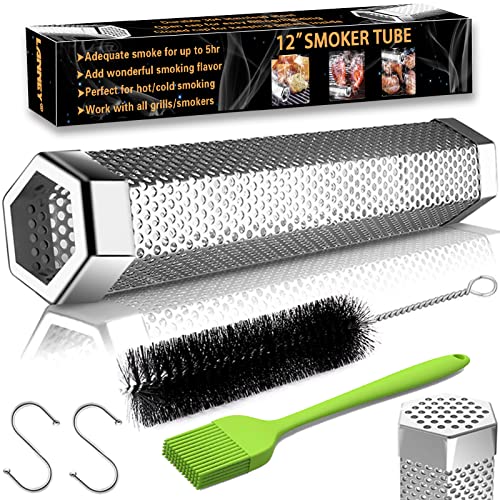
【BILLOWING SMOKE AND BIG CAPACITY】 The pellet smoker tube has massive density diffusion holes on its body. So the smoker tube can let air come in, diffusing smoke efficiently and evenly to your food. The perforated design and hexagon shape of tube smoker allow the pellets stay lit the fully burn to provide constant smoke. With a length of 12 inches large capacity, the wood pellets smoker tube is capable of holding enough pellets and will produce abundant quantity of smoke up to 5hrs
Set Smoking Temperature for a Perfect Smoked Turkey
Kick off the smoke by preheating your pellet grill to a steady 225 °F, letting the low, indirect heat coax the wood’s aroma into the turkey’s skin while you wait for the first two hours. Keep the grill at that gentle 225 °F to Maintain smoking temperature, letting the smoke infuse the outer layer and following the 30‑minute‑per‑pound rule. After two hours, check the breast’s internal rise; when it hits 100‑120 °F, Adjust smoking temperature based on progress by nudging the grill up to 350 °F for a short ramp. This boost crisps the skin without drying the meat. Using a meat thermometer ensures you’re tracking the internal temperature accurately throughout the cooking process. For the final hour, raise the heat to 375 °F, aiming for a breast internal of 160 °F while thighs climb toward 175 °F, then let the bird rest. You can also use a mix of pellets like hickory and apple to add a layered flavor profile.

BBQ charcoal pit temperature gauge with large degree scales and numbers , easy to read even from far away.

TEMPERATURE GAUGE: Place directly on cooking surface for precise and easy use

The 2 3/8" large face of the temperature gauge makes it easy to read and classify the temperature of your food. The Stem is 2 7/8"
Place the Turkey and Slip in Your Thermometers
Now that the grill’s heat is steady, slide the probes into the bird before the smoke fully settles. Insert the breast probe through the top near the neck cavity, aiming for a shallow probe angle that drives the tip into the thickest muscle without touching bone. Feel the stainless‑steel shaft bite into the flesh; the ceramic base stays outside, keeping only the metal in contact. For the thigh, push the probe lengthwise into the center of the thickest part, again using a gentle angle that avoids the bone. The sensitivity of each probe will pick up subtle temperature shifts, letting you watch the deepest meat heat rise evenly. Confirm placement with the app, then let the aromas build while the grill works. Proper thermometer placement ensures you can monitor when the turkey reaches 165°F in the thickest part of the breast for both safety and optimal juiciness. Use a meat thermometer to ensure the turkey reaches the recommended internal temperature.
Calculate Cooking Time and Internal Temperatures for Smoked Turkey
A steady 225‑275°F smoker lets you calculate a turkey’s cooking window while keeping the meat out of the 40‑140°F danger zone. You begin smoke time calculations by estimating 30 minutes per pound at 225°F, then watch the probe for the first temperature target range: 140°F in the breast and 150‑155°F in the thigh. When the bird reaches roughly 155°F, you know the bacterial kill‑off is occurring; a brief rest will push the internal temperature to the USDA‑required 165°F. Keep the smoker steady, feeling the gentle hum of the pellets and the faint aroma of wood. If you’re using a 12‑lb bird, plan for about six hours of low‑and‑slow, then finish with a quick high‑heat burst if you desire crisp skin. Ensure the turkey stays out of the danger zone for no more than four hours to prevent bacterial growth. Additional moisture-retention techniques like brining can enhance both the tenderness and flavor of your smoked turkey.
Baste, Monitor, and Crank Up Heat for Crispy Smoked Turkey Skin
Your turkey’s internal temperature will be hovering around 120°F after the first two hours at 250°F, so it’s time to start coaxing that skin into a golden, crackling finish. Open the grill, pull a basting baster, and inject broth directly into the breast and thigh cavities; the steam will keep the meat moist while the skin dries just enough to crisp. Brush the skin with a butter‑herb mixture—melted butter, rosemary, sage, a pinch of salt, and garlic—then baste every hour. As the temperature climbs to 300°F, lift the lid and watch the skin turn mahogany, its aroma deepening. If the color deepens too fast, tent with foil; otherwise, crank the grill to 375°F for the final hour, letting the butter‑herb glaze caramelize into a crackly, flavorful crust. Use a probe thermometer to verify the turkey has reached the safe internal temperature of 165°F before removing it from the grill. The turkey was brined for 48 hours before cooking.
Rest Turkey and Slice for Maximum Juiciness
After the turkey reaches its target temperature, let it rest under a loose foil tent for 20‑30 minutes—longer if you need time for gravy or side dishes. The foil traps heat, keeping the meat warm while the fibers relax and reabsorb juices, preventing a flood of liquid when you carve. Use this window for extended resting periods that let you finish gravy and finish coordinating side dishes without rushing. Feel the gentle steam escaping as you lift the tent, and notice the aroma deepen. When the timer hits one hour, the turkey stays safely in the 40‑140 °F zone. During this resting period, the internal juices redistribute throughout the meat, a process that’s critical to achieving maximum juiciness and flavor. Slice with a sharp knife, letting the meat glide cleanly, and serve the succulent, juicy slices to enthusiastic guests. Resting the turkey for at least 20 minutes ensures optimal texture and flavor.


