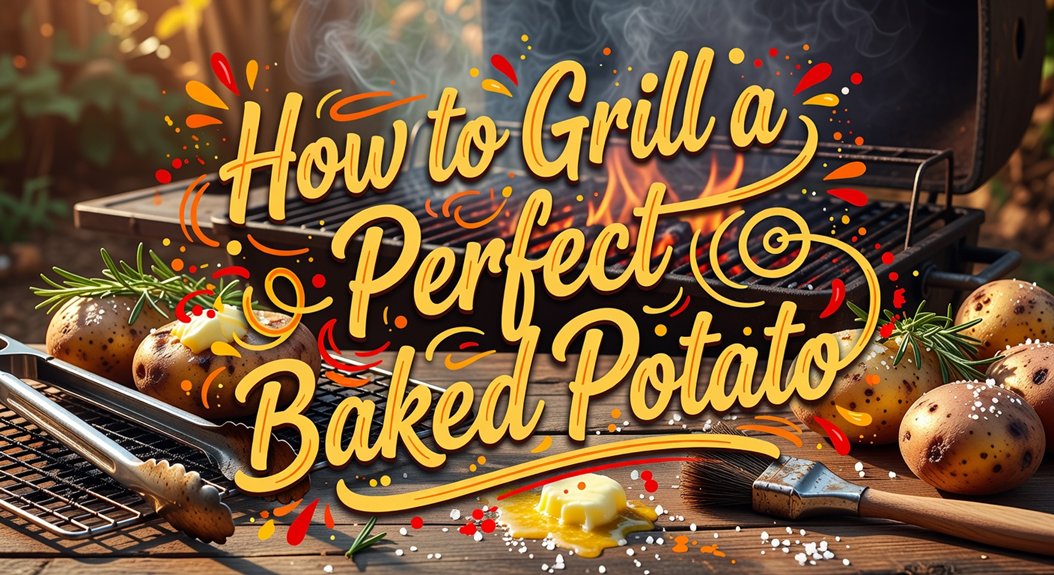
Pick a low‑starch potato like Yukon Gold or red, wash it, then slice into uniform ¼‑inch pieces. Lightly coat each slice with extra‑virgin olive oil and toss with garlic powder, onion powder, kosher salt, black pepper, and a pinch of smoked paprika. Set your grill for indirect heat at about 350 °F, place the potatoes directly on the grate (or foil‑wrapped if you prefer extra moisture), and cook 45‑60 minutes, flipping every 15 minutes, until the interior hits 210 °F and the skins are crisp. Keep the lid closed for even heat, and you’ll unearth more tips for toppings and troubleshooting.
Select the Best Potato Type and Size for Grilled Potatoes
When you choose a potato for the grill, prioritize a variety that balances flavor, texture, and cooking speed. Potato selection considerations begin with starch content: low‑starch types grill faster and stay intact. A Potato variety comparison shows Yukon Golds offer buttery, nutty sweetness, a thin gold skin, and a fluffy interior with a crisp exterior—ideal for medium‑size portions. Red potatoes, with waxy, firm flesh and a thin red skin, hold shape and crisp nicely when halved, making them perfect for quick, uniform grilling. Fingerlings and yellow potatoes are small, waxy, and caramelize beautifully; their size eliminates slicing and speeds cooking. Like sweet potatoes, grilled potatoes develop dark brown grill marks that enhance their smoky flavor. Choose 2 lb of small red, yellow, or fingerlings for six servings, or medium Yukon Golds for a balanced texture and speed. Smash boiled potatoes before grilling to increase surface area and achieve extra crispness.

VARIETY TYPE: Yukon Gold is a determinate potato variety, meaning tubers form in one main layer near the seed piece and mature uniformly for a concentrated harvest window, ideal for home gardens and raised beds


Prepare Potatoes for Grilled Potatoes
Before you fire up the grill, wash each potato under running water, scrub gently with a brush if needed, then pat them dry with a kitchen towel—this removes dirt, eliminates excess moisture that would steam the potatoes, and guarantees the surface will brown evenly once they hit the heat. Next, brush thoroughly to confirm no residue remains, then check moisture content; any damp spots will hinder crisping. Cut the potatoes into uniform pieces—thin rounds, wedges, or bite‑size chunks—using a sharp knife on a stable board. Aim for no more than a quarter‑inch thickness for slices, or consistent wedge length for russets. If you prefer, precook by parboiling or microwaving for three to five minutes, then drain completely. Keeping the lid closed during grilling helps maintain consistent heat and ensures even cooking throughout. This preparation yields even cooking and a flawless, charred finish. Red potatoes tend to be waxier and take longer to cook, so consider adjusting the cooking time if using them.
Oil and Season Grilled Potatoes for Maximum Flavor
If you want your grilled potatoes to develop a caramelized crust and stay juicy inside, coat each piece with a thin, even layer of oil before seasoning. Choose extra‑virgin olive oil for its browning power, or a neutral vegetable oil if you’ll grill at the ideal cooking temperature of about 400 °F. Toss 5‑6 large wedges with ½ cup oil, then add a flavorful seasoning blend: 2 Tbsp garlic powder, 1 Tbsp onion powder, 1 tsp kosher salt, and 1 tsp black pepper. For a smoky edge, sprinkle ½ tsp smoked paprika. Mix thoroughly so every surface is coated; the oil locks in the seasonings and prevents sticking. Small red potatoes are especially good because their waxy texture helps them hold up on the grill. For even more tender results, consider using indirect medium heat on your grill, which allows the potatoes to cook through without burning on the outside. After grilling, finish with a light drizzle of herb‑infused oil and a pinch of fresh parsley for brightness.
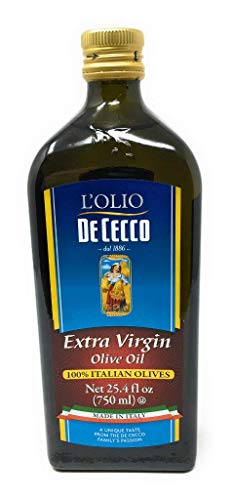
Made exclusively from selected olives grown in Italy, Rich taste.

Organic extra virgin Mediterranean olive oil

Wrap or Skip Foil: Choose a Method for Grilled Potatoes
Choosing whether to wrap your potatoes in foil or grill them exposed hinges on the texture, flavor, and presentation you want. If you prioritize a fast cooking time and a moist cooking environment, seal each potato in foil with butter, herbs, and a splash of oil. The foil traps steam, yielding a buttery, soft interior and preventing drying, while also reducing grill mess and sticking. However, the foil eliminates the crisp, caramelized skin, grill marks, and smoky notes that come from direct heat. For a firmer bite, pronounced char, and intensified smoke, place potatoes directly on the grate, oiling the surface to curb sticking. Be aware that high grilling temperatures can cause aluminum particles to leach into food when using foil. Balance texture and flavor to match your dish’s aesthetic and palate. Aluminum foil also helps the potatoes stay warmer longer after cooking.

Package Includes: One (1) Reynolds Wrap Pitmaster’s Choice Extra Thick Aluminum Foil Roll measuring 25 feet by 18 inches wide (37.5 square feet total)

Package Includes: One (1) Reynolds Wrap Heavy Duty Aluminum Foil Roll measuring 50 feet long by 12 inches wide (50 square feet total)

Package Includes: One (1) Reynolds Wrap Everyday Strength Aluminum Foil Roll measuring 30 feet long by 12 inches wide (30 square feet total)
Set Up the Grill for Indirect Heat When Grilling Potatoes
Where to place the heat source determines whether your potatoes cook evenly or burn, so set up a two‑zone grill for indirect cooking. Light charcoal on one side of a charcoal grill or ignite burners on one side of a gas grill, leaving the opposite side empty. This creates a direct heat zone for searing and an indirect heat zone where the potatoes will sit. Close the lid to trap heat, turning the grill into an oven‑like chamber. Preheat the grill for the recommended grill preheating duration—about 15 minutes for gas, 15‑20 minutes for charcoal—until the thermometer reads 500‑550 °F in the direct zone. Then move the potatoes to the cooler side, monitoring the heat zone arrangement to keep the indirect zone around 350 °F for even cooking. For gas grills, consider using fewer burners to maintain stable temperatures and improve fuel efficiency during this setup. The two‑zone setup ensures gentle, even heat distribution for larger foods.
Grill the Potatoes to Perfect Doneness
Now that the grill’s indirect zone is steady at 350 °F, place the foil‑wrapped potatoes on the upper rack and let them cook until they’re fork‑tender. Maintain grill temperature control by monitoring the zone; any rise above 375 °F can dry the skins, while a dip below 325 °F prolongs potato cooking duration. After 20 minutes, flip each potato to verify even heat distribution, then rotate every 15 minutes to avoid hot spots. Expect a total potato cooking duration of 45‑60 minutes, checking for tenderness after 40 minutes. If the potatoes aren’t yielding to a fork, continue in five‑minute increments, keeping the indirect zone stable. This foil-wrapping technique retains moisture and simplifies cleanup while allowing simultaneous grilling alongside other dishes. This method guarantees a uniformly baked interior and a crisp, seasoned skin. Russet potatoes are the preferred type for baking on the grill or in the oven.
Check Internal Temperature and Texture of Grilled Potatoes
You’ll know the potatoes are done when an instant‑read thermometer reads 210 °F in the center, confirming the starches have gelatinized for a fluffy interior. Use the reading method by inserting the probe into the thickest part, avoiding foil or the grill grate. A steady 210 °F (or 205‑215 °F range) guarantees the interior texture is tender, light, and uniformly soft. If the fork slides in with no resistance and the potato yields to gentle pressure, the texture is perfect. Rotate each potato every 30 minutes and check after foil removal on direct heat to verify even cooking. Before your first use, ensure your grill has been properly seasoned with a protective non-stick surface to prevent sticking and rust. Avoid readings below 205 °F, which leave a hard core, and stay under 215 °F to prevent mushiness. Wrap each potato in heavy‑duty foil before grilling to ensure even cooking and prevent leaks.
Add Toppings and Serving Suggestions for Grilled Potatoes
A great grilled potato shines when you layer it with toppings that balance richness, acidity, and texture. Start with a base of butter or sour cream, then sprinkle high‑quality cheddar for a creamy bite. Add chopped chives or green onions for freshness, and crumble bacon—or coconut bacon—for smoky depth. Mix flavor combinations like pico de gallo, black beans, and corn for a Mexican‑inspired profile, or pair roasted red peppers with feta and spinach for a Mediterranean twist. Drizzle ranch, BBQ sauce, or sriracha mayo to introduce tang and heat. Finish with a garnish of cilantro, scallions, or a dash of green tahini. For best results, wrap your potato in aluminum foil before grilling to seal in moisture and ensure even cooking. These taste profiles let you customize each potato, ensuring every bite delivers balance and excitement. A neutral, filling base lets the toppings shine without overwhelming the palate.
Troubleshoot Common Issues With Grilled Potatoes
If you skip the basics—choosing the right potato, prepping the skin, and managing heat—you’ll end up with unevenly cooked, mushy, or burnt potatoes. Use Russet potatoes; if you pick a denser variety, parboil 8‑10 minutes first, and keep sizes uniform. Poke 6‑8 forks or 10‑15 skewers to release steam, then rub the skin with olive oil—don’t over‑oil, or you’ll lose crispness. Set up an ideal grill setup: create a hot zone for searing and a cool zone for indirect heat, or use a two‑zone gas configuration. Turn each potato 3‑4 times with tongs, maintaining proper timing. Wrap in foil if the grill runs dry, and spray water to tame flare‑ups. Before grilling, ensure your grill grates are clean to prevent sticking and promote even heat distribution. This disciplined approach prevents scorching, undercooking, and blandness. Choosing the right potato is essential for consistent results.