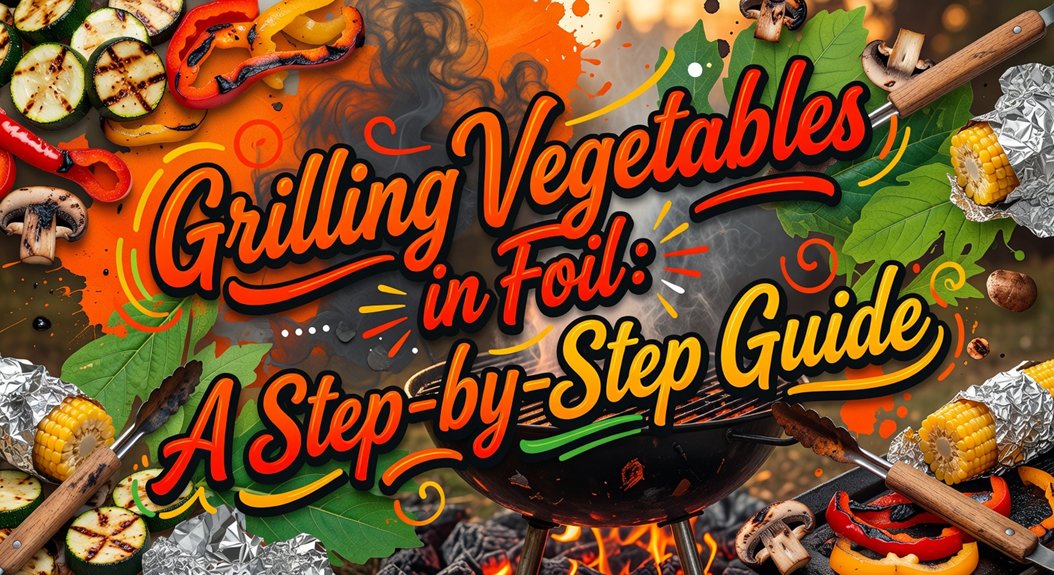
Pick ½‑inch zucchini and squash strips, whole cherry tomatoes, 1‑inch fingerling potato cubes, and halved baby carrots; pre‑steam the denser veggies until a fork meets slight resistance, then dry them. Lay the veggies on a lightly oiled 12‑by‑12‑inch foil sheet, fold the sides up ½‑inch, and twist the ends into a tight cuff. Drizzle with olive oil, garlic, and your favorite seasoning—Mediterranean, Southwest, or thyme‑corn—then place the packet over the grill’s indirect zone. Grill 10‑15 minutes, flip once, and you’ll hear a gentle sizzle as the flavors meld. Keep going and you’ll uncover the exact times and tricks for perfect results.
Choose the Right Vegetables and Cuts for Foil‑Grilled Veggies
The secret to perfect foil‑grilled veggies starts with picking the right produce and cutting it uniformly. You’ll notice the crisp snap of zucchini and yellow squash when you slice them into ½‑inch strips, while cherry tomatoes stay juicy if you leave them whole. For dense roots, cut fingerling potatoes into 1‑inch cubes and halve baby carrots for even heat. When you select peak season produce, the flavors burst—think sweet red bell pepper strips and tender asparagus spears. Store vegetables in a cool, dry drawer, wrapped loosely in a paper towel to maintain moisture without sogginess. Ideal veggie storage and handling keep textures firm, so when you lay the pieces on foil, they sizzle, caramelize, and release aromatic steam in perfect harmony. Summer vegetables are high in water content and don’t require extensive cooking. Salting and draining vegetables before grilling can remove excess moisture and enhance their texture, similar to techniques used for eggplant preparation.

Package Includes: One (1) Reynolds Wrap Everyday Strength Aluminum Foil Roll measuring 30 feet long by 12 inches wide (30 square feet total)

Package Includes: One (1) Reynolds Wrap Everyday Strength Aluminum Foil Roll measuring 200 feet long by 12 inches wide (200 square feet total)
Prep and Pre‑Steam Dense Veggies for Perfect Tenderness
After you’ve sliced your veggies uniformly, turn your focus to the denser members of the mix—beets, carrots, potatoes, cauliflower, and thick green beans. Use the ideal precooking methods: steam root veg until they just begin to soften, parboil cauliflower or broccoli heads for a few minutes, and blanch green beans briefly. Aim for the best precooking duration that lets a fork pierce with minimal resistance but leaves a firm bite. Watch the steam rise, feel the gentle heat, and notice the faint sweet aroma as nutrients stay locked in. Grilling preserves the natural colors of vegetables, making them more appealing. This technique combines steaming and roasting effects on the grill to achieve optimal texture. Once the vegetables are barely tender, drain quickly, pat dry, and let the residual warmth settle. This prep guarantees a tender interior and a charred, flavorful exterior when you grill them in foil.
Assemble Foil Packets That Stay Sealed and Cook Evenly
Often you’ll start by laying a 12‑by‑12‑inch sheet of heavy‑duty foil on a clean surface, spraying it lightly with cooking spray, then arranging the pre‑steamed vegetables in a single, even layer. Fold the sides up, meeting opposite edges to form a tight ½‑inch fold that locks in moisture. Twist the sealed ends firmly, creating a robust cuff that boosts foil packet durability. For foil package preparation, repeat the process on a second sheet and stack the two packets, sealing the top with another ½‑inch fold. Press the seams gently but securely, leaving a small pocket for steam to expand, which ensures even cooking similar to the moisture-retention benefits achieved when grilling foil-wrapped potatoes. The result is a sealed, evenly cooked bundle that sizzles, steams, and retains flavor without leaking. The olive oil helps prevent sticking and adds a subtle richness to the vegetables.
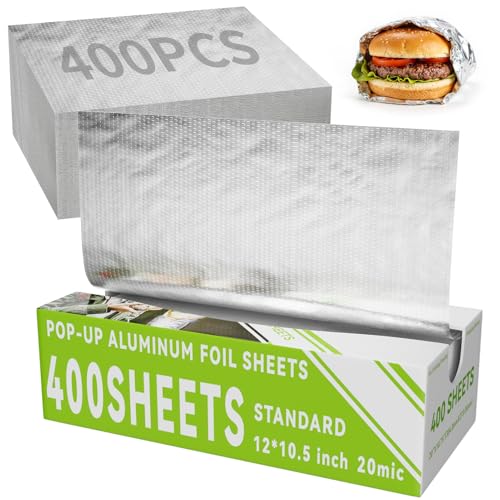
400 Sheets Tinfoil Roll:Made from 100% aluminum with a thickness of 20 microns,each measuring 12" W x 10.5" L. The box dimensions are 12.60" W x 5.90" D x 3.14" H.

Pre-Cut Foil Sheets for the Grill-This package contains five boxes of 30 Reynolds Wrap Pre-Cut Pop-Up Heavy Duty Aluminum Foil sheets, measuring 14 x 10.25 inches each

Ultra Heavy Duty: Crafted from 100% aluminum, our foil sheets for food are ultra durable at 18 gauges thick, yet still malleable for wrapping food, making our tin foil heavy duty sheets a great choice for restaurants, deli owners, or at-home use.
Season Foil‑Grilled Vegetables: Three Easy Combos
When you season foil‑grilled vegetables, start by choosing a flavor combo that excites your palate and then coat the pre‑steamed veggies with just the right balance of oil, herbs, and spices before sealing the packets. For a Mediterranean Medley, drizzle olive oil, sprinkle minced garlic and oregano, then toss zucchini, cherry tomatoes, bell peppers, and red onion. Add crumbled feta for a salty finish. A Southwest Fiesta calls for lime juice, cumin, and chili powder; dice sweet potatoes, corn, black beans, and jalapeños into uniform chunks, then stir in fresh cilantro after grilling. The Zucchini Corn Thyme combo uses fresh thyme sprigs and optional minced garlic; cut corn off the cob, dice zucchini and onion, and place the woody herbs atop before sealing. Like artichokes, many vegetables benefit from par-cooking before grilling to ensure they reach optimal tenderness. Use these veggie preparation tips and flavor pairing suggestions to create vibrant, aromatic packets. Cut vegetables into similar‑sized pieces for even cooking.

RICH & BOLD FLAVOR: Reach for the flavor of bold garlic and rich olive oil to infuse everyday and special occasion meals with unforgettable flavor the whole family will love.

A TRUE GOURMET BREAD DIPPING: Calivirgin Olive Oil Dipping Spices combine 5 diverse, gourmet flavors in a unique, irresistible & incredibly delicious spice mix; Basil, sun-dried tomatoes, garlic, parsley & oregano

Garlic Gold's Garlic Infused Extra Virgin Olive Oil offers a hand-crafted artisanal experience that's widely recognized as the finest tasting garlic infused organic EVOO on the market.
How to Pre‑heat Your Grill and Create Heat Zones for Foil Packets
If you want perfectly cooked foil‑packet veggies, start by pre‑heating the grill and setting up distinct heat zones before you even touch the vegetables. Open the lid, ignite the burners, and crank every knob to high. Close the lid and let the grill build heat for 10‑15 minutes, then check the grate with an infrared thermometer. While it’s heating, brush the grates for proper grill maintenance, clearing any residue that could cause sticking. For an ideal grill setup, create a two‑zone layout: leave one side on for a direct high‑heat zone (450‑550°F) and turn the opposite burners off to form an indirect zone (250‑350°F). Place your foil packets over the indirect zone, letting the gentle, steady warmth coax the vegetables to perfection without scorching the foil. Grate temperature is the most reliable indicator for managing heat zones.
Grill Times and Temperatures for Common Veggie Mixes
Even before the grill’s flames kiss the foil, the temperature you choose will dictate how quickly each vegetable reaches tender perfection. Low heat lets potatoes linger 15‑20 minutes while zucchini and squash finish faster, so you’ll separate quick‑cooking veggies into their own packets for even heat distribution. On medium heat (≈350°F) aim for 20‑30 minutes, rotating the foil after the first 5‑7 minutes to balance meal timing across the mix. Crank it up to 400°F and you’ll need a 30‑minute bake, flipping every 10 minutes, which yields a crisp bottom and melted cheese topping. Medium‑high heat shortens the session to 20‑25 minutes for pepper‑sprout‑corn blends, keeping everything tender without burning. The foil packet method allows vegetables to steam while developing slight char for optimal texture. Adjust for potato size, and you’ll hit perfect doneness every time. Using heavy‑duty foil ensures the packets stay sealed and prevent leaks.
Flip, Rotate, and Check Doneness Without Opening the Packet
You’ve set the grill to the right temperature, now keep the foil packets moving to lock in flavor without peeking inside. Use long‑handled tongs to flip each packet halfway through the cook, then rotate it 90° every ten minutes for uniform heat circulation. Tilt the packet lightly to let gravity pool the juices, and give it a gentle shake to mix without tearing the foil. Watch the translucent surface for condensation monitoring—steady steam droplets signal that the vegetables are softening. Dark spots on the bottom hint at char, while a fading sheen shows even cooking. After twenty minutes the packet will feel softer under gentle pressure, confirming doneness without ever opening the seal. The foil’s heat‑resistant property ensures even cooking even at high grill temperatures. Consider pairing your foil packet cooking technique with weather-resistant countertops positioned near your grill for convenient prep and plating stations.
Open Safely, Serve, and Add Quick Garnishes
Peel back the foil with steady hands, letting a burst of fragrant steam escape as you gently pierce the top with a fork. Slip on oven mitts, place the packet on a heat‑proof board, and open it away from your face to avoid burns. Unfold the edges slowly, creating a safe serving flap. Transfer the hot vegetables with tongs onto a large platter, arranging each type together for visual appeal and presentation. Drizzle a quick lemon‑garlic vinaigrette, letting the bright citrus and garlic lift the taste and aroma. Sprinkle chopped parsley, a pinch of crumbled feta, and a few mint leaves for color contrast and freshness. Finish with a light squeeze of lemon and a drizzle of balsamic glaze, then serve immediately while the charred edges still sizzle. Grilling adds a smoky, charred flavor to vegetables, enhancing their depth of taste. For optimal results, select thick vegetable spears to ensure they remain tender but still crisp during the grilling process.
Troubleshoot Foil‑Grilling Problems Quickly
After the aromatic steam fades and you plate the veggies, keep an eye on the foil’s hidden side effects. When tomatoes turn metallic or onions feel oddly soft, you’re likely seeing leaching. First, reduce contact time: open the packet a minute early, then toss the vegetables onto a grill basket. Second, control grill temperatures—dial the heat down to medium, around 350 °F, to slow aluminum migration. Skip foil for salty, acidic mixes; parchment or a non‑aluminum tray works better. If you must use foil, add a pinch of sugar to the marinade; it creates a protective glaze. Finally, avoid the shiny side, as it can accelerate transfer. These quick tweaks keep flavor bright and aluminum low. Like grilling itself, high-heat cooking methods can generate compounds such as polycyclic aromatic hydrocarbons that warrant careful attention to temperature and cooking time. Aluminum leaches most aggressively in acidic environments such as those containing high acidity.